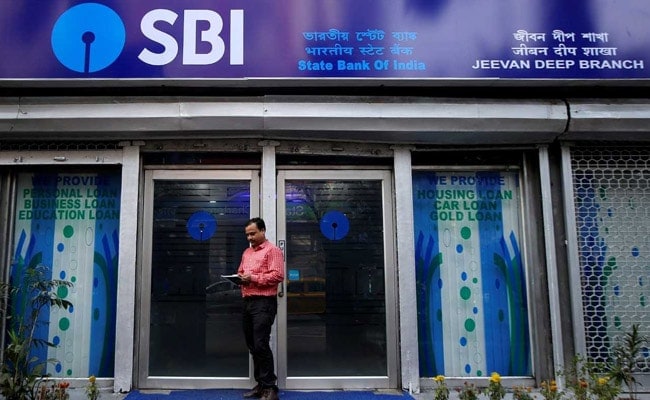
SBI or State Bank of India, the country's largest bank, offers savings plus account, which is a savings bank account linked to MODS (multi option deposit scheme). In SBI's savings plus account, the surplus fund above a threshold limit from the savings account is automatically transferred to a term deposit or fixed deposit account, according to SBI's corporate website, sbi.co.in. However, one needs to open the account in multiples of Rs 1,000. The period of deposit varies from 1-5 years, according to SBI's portal.
Here are key things to know about SBI's savings plus account:
1. Account eligibility: SBI's account can be opened by any individual who is eligible to open a regular savings bank account. One can do it singly or jointly.
2. Interest rates: SBI offers the same interest rate on savings plus account as those on regular savings bank accounts. SBI offers an interest rate of 3.5 per cent per annum on deposits less than Rs. 1 lakh. On balance over Rs 1 lakh, it offers an interest rate of 3 per cent per annum.
3. Amount: Any surplus amount above Rs 25,000 in savings account is transferred to term deposit account with a minimum of Rs 10,000 and in multiple of Rs. 1,000 at one instance, noted SBI. This means that the minimum threshold limit for transfer to MOD account is Rs 35,000.
4. Minimum balance requirement: Customers are also required to maintain a monthly average balance (MAB) for savings plus account. A person with a savings bank account in a metro and urban area is required to maintain a monthly average balance of Rs 3,000, according to sbi.co.in. Customers with accounts in semi-urban and rural branches are required to maintain a balance of Rs 2,000 and Rs. 1,000, respectively.
5. Other facilities: Facilities such as ATM card, mobile banking and internet banking are also available with SBI's account. Customers can also take loans against multi-option deposits.
Essential Business Intelligence, Continuous LIVE TV, Sharp Market Insights, Practical Personal Finance Advice and Latest Stories — On NDTV Profit.