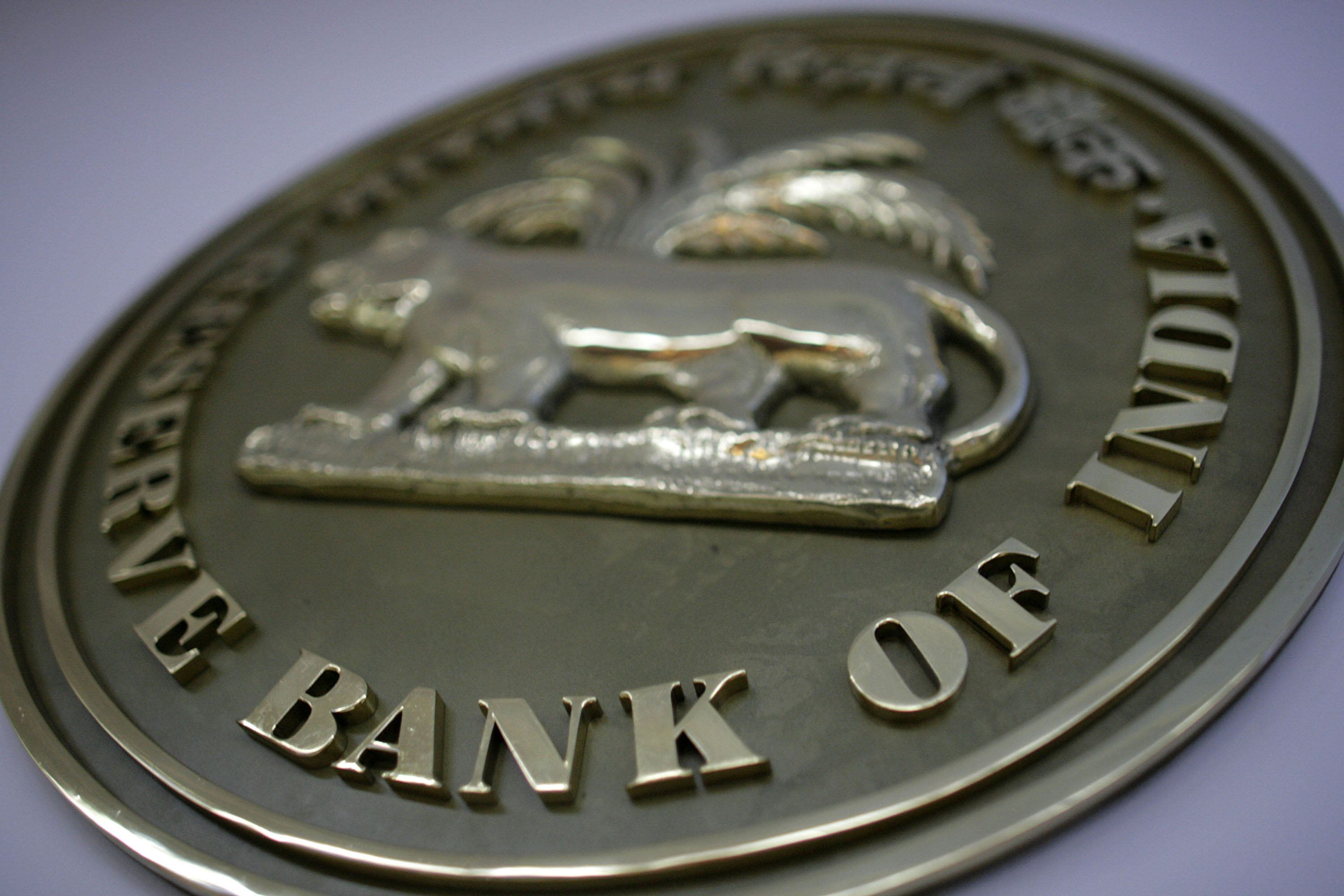
The Reserve Bank of India has issued norms to reduce the concentration of risk to the banking system arising from its exposure to any single large borrower.
The norms, which will come into effect from financial year 2017-18, defines a large borrower as a specified borrower, that is, one with an ‘aggregate sanctioned credit limit' of Rs 25,000 crore in the first year, Rs 15,000 crore at any time during 2018-19, and Rs 10,000 crore from April 1, 2019.
The central bank has further stipulated that these specified borrowers will have a lending limit of 50 percent of the aggregated sanctioned credit limit from the date that it becomes a large borrower. This limit, called ‘normally permitted lending limit' would also include any funds raised by way of equity, the RBI said in a notification.
The RBI has added another sub-limit. If the specified borrower has raised funds through bonds, debentures, or any other instrument excluding equity over 15 percent of the aggregate sanctioned credit limit, then the lending limit would be 60 percent.
Prudential Measures
Starting FY18, if the banking system crosses the lending limit prescribed for a large borrower, the provisioning requirement on the excess amount would be 3 percentage points higher than normal.
Additionally, the banking system would have to assign a risk weight of 75 percentage points over and above the applicable weight for the exposure to the large borrower.
“The resultant additional risk-weighted exposure, in terms of risk-weighted assets, shall be distributed in proportion to each bank's funded exposure to the specified borrower,” the RBI said.
Relaxation
The RBI has stipulated that banks can subscribe to bonds issued by large borrowers over the lending limit in FY18 if they divest the bonds by not less than 30 percent by March 31, 2019, by 60 percent by March 31, 2020, and 100 percent by March 31, 2021.
Essential Business Intelligence, Continuous LIVE TV, Sharp Market Insights, Practical Personal Finance Advice and Latest Stories — On NDTV Profit.