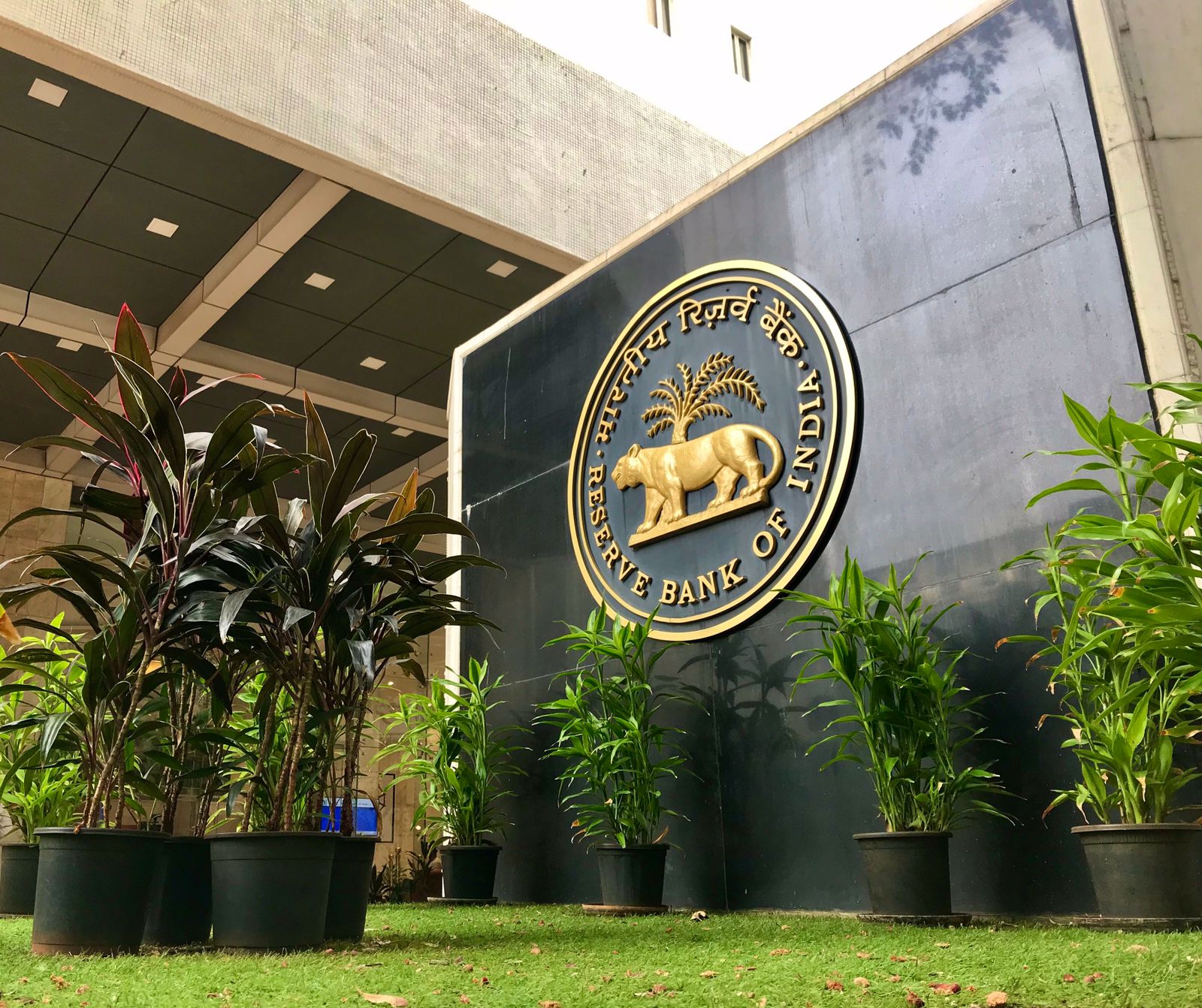
The Reserve Bank of India, on Tuesday, said it will be introducing a new regulatory framework for urban cooperative banks in India. The new guidelines follow the report submitted by an expert committee constituted by the regulator last year.
While the RBI formed the expert committee in February 2021, it submitted its report in August last year. After considering the recommendations in the report, the banking regulator has either fully or partially accepted at least seven of these recommendations.
"While examining the recommendations, committee's vision of turning UCBs into friendly neighborhood banks and the heterogeneity of the sector have been duly kept in view," the regulator said in a statement on its website.
Among the major recommendations accepted by the RBI is a four-tiered regulatory framework for urban cooperative banks in India. Under this framework, these banks will be classified on the basis of the size of their deposits. The categories include:
Tier 1: All unit urban cooperative banks and salary earner's UCBs, irrespective of their deposit base, as well as all UCBs with less than Rs 100 crore in deposits.
Tier 2: UCBs with deposits between Rs 100-1,000 crore.
Tier 3: UCBs with deposits between Rs 1,000-10,000 crore.
Tier 4: UCBs with more than Rs 10,000 crore in deposits.
"The differentiated regulatory approach was mainly recommended for key parameters such as net worth, capital to risk-weighted assets ratio, branch expansion, and exposure limits," the RBI said.
Some of the other recommendations accepted by the RBI include:
A minimum of Rs 2 crore networth requirement for Tier-1 UCBs operating in a single district. A minimum networth requirement of Rs 5 crore for all other UCBs, irrespective of their tier.
While most UCBs met the minimum networth requirement in March 2021, non-compliant lenders will be given a five year glide path for compliance in a phased manner.
Minimum CRAR requirement of 9% for all UCBs classified under Tier-1, under current Basel 1 capital adequacy framework.
Minimum CRAR requirement of 12% for all other UCBs, under the current Basel 1 capital adequacy framework.
Out of 1,534 UCBs in India, 1,274 banks already meet with the revised capital framework.
Banks that do not meet the revised CRAR will be provided with a glide path of three years for achieving the same in a phased manner.
UCBs which meet the "financially sound and well managed" criteria will be allowed to automatically increase their branch network by 10% year-on-year every financial year.
With respect to home loans extended by UCBs, risk weights will be determined by loan-to-value ratio of individual loans, resulting in capital savings.
Revaluation reserves will be considered for inclusion in Tier-I capital subject to applicable discount on the lines of scheduled commercial banks.
The committee's recommendation for capital augmentation for urban cooperative banks has not been accepted by the regulator yet. The committee had recommended an amendment to the Banking Regulation Act which would allow RBI to consider certain securities issued by UCBs as covered under the Securities Contract Regulation Act to facilitate their listing and trading on a recognised stock exchange.
Another expert committee with representation from RBI, Securities and Exchanges Board of India, and Ministry of Cooperation will consider this issue, the banking regulator said.
Similarly, the committee's recommendation to create an umbrella organisation for the UCB sector has also not been accepted yet. The regulator said that the recommendation would be examined once the entity is fully operational.
Essential Business Intelligence, Continuous LIVE TV, Sharp Market Insights, Practical Personal Finance Advice and Latest Stories — On NDTV Profit.