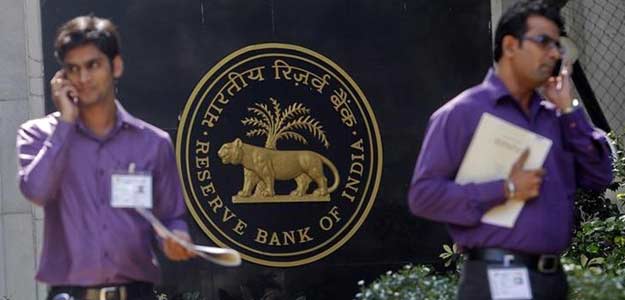
Mumbai: The government and the Reserve Bank of India are set to consider proposals for the formation of a monetary policy committee that would take key decisions like interest rate changes, but have raised concerns over the apex bank's independence.
There are two competing proposals to establish a monetary policy committee, one from an external panel appointed by the Finance Ministry and another from the RBI.
Monetary policy committees (MPCs) are a common feature in central banks globally. Below are the main points of the two proposals being considered in India as well as examples of MPCs in Britain and Brazil.
RBI panel's key proposals
Five-member committee:
- Chairman: RBI Governor
- Vice Chairman: Deputy Governor in charge of monetary policy
- Executive Director in charge of monetary policy
- Two external members picked by RBI Governor and Deputy Governor
Each member has one vote
No veto power for Chairman
Financial Sector Legislative Reforms Commission proposals
Seven-member panel:
- RBI Governor
- 1 executive member of RBI board
- 3 external members picked by the government
- 2 external members picked by the government in consultation with RBI Governor
Government representative to attend meetings but would not vote
RBI Governor would get power to override panel but would need to issue public statement detailing the reasons
Each member has one vote
EXAMPLES OF MPCS WORLDWIDE:
Bank of England
9-member panel:
- Governor
- 3 deputy governors
- Chief economist of the BOE
- 4 external members appointed by the Chancellor
Each member has 1 vote
Treasury representative attends, but has no vote
Central Bank of Brazil
- 8-member panel:
- Governor
- 7 deputy governors
Governor holds deciding vote if committee is evenly split
If target is missed, governor writes an open letter to finance minister citing reasons as well as remedial measures to reach inflation aim
Essential Business Intelligence, Continuous LIVE TV, Sharp Market Insights, Practical Personal Finance Advice and Latest Stories — On NDTV Profit.