(Bloomberg) --
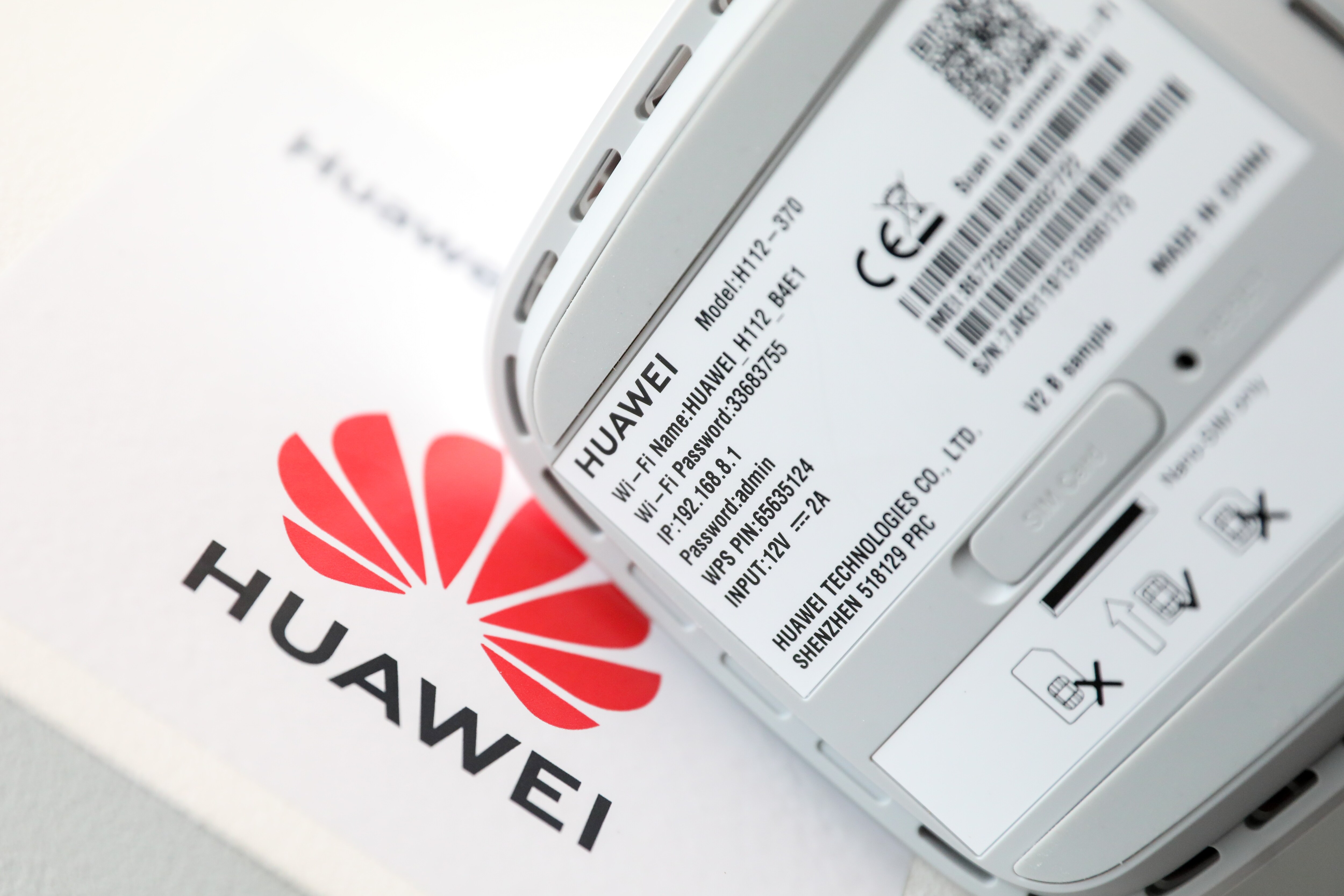
One of Asia's best-performing bond managers offloaded his holdings of Huawei Technologies Co. debt last week, underscoring investor concerns over potentially devastating U.S. curbs on the Chinese tech giant.
Dhiraj Bajaj, whose Lombard Odier Asia Value Bond Fund outperformed 98% of peers this year, sold the fund's Huawei 2026 dollar notes after the Trump administration placed the company on a blacklist that curtails access to U.S. suppliers. The bonds posted record declines last week and recently traded at around 95 cents on the dollar, a slump that's been mirrored in notes of some Huawei suppliers.
“Directly targeting a national champion of this scale, which employs 180,000 people, is unprecedented,” Bajaj said in an interview. “The U.S. stance to severely limit Huawei's business capabilities has quite naturally surprised credit investors.”
The world's largest provider of networking gear has become a key focus for global investors as they assess the fallout from rising tensions between China and the U.S. over everything from trade to espionage and technological dominance. While some analysts have argued that Huawei's default risk is minimal given its large cash holdings and potential support from China's government, Bajaj said the U.S. blacklist has raised questions about future cash flows.
“Huawei has a strong financial position and access to a strong and large domestic market, but the impact of the supply chain disruption needs to be understood,” said Bajaj, whose $1.3 billion fund has gained 10% this year and had about 0.5% of its assets invested in Huawei bonds at the end of March, according to data compiled by Bloomberg. The fund returned 6.9% annually over the past three years, beating 96% of peers.
Huawei had 37 billion yuan ($5.3 billion) of unsecured bank loans as of December, of which 2.8 billion yuan were due in one year or less, according to the company's 2018 annual report. Total liabilities, including employee benefits, were 432 billion yuan, or about 65% of total assets. Huawei's cash and cash equivalents amounted to about 2.6 times total borrowing.
The company, which is said to have stockpiled enough semiconductors and other vital components to keep its business running for at least three months, didn't immediately reply to requests for comment on its debt.
Huawei's $4.5 billion of dollar-denominated notes, spread across four maturities, are trading near the lowest levels in three months. Bonds from Qualcomm Inc. and Broadcom Inc., which are said to have told employees they will stop supplying Huawei until further notice, have also slumped.
--With assistance from Jun Luo.
To contact the reporter on this story: Annie Lee in Hong Kong at olee42@bloomberg.net
To contact the editors responsible for this story: Neha D'silva at ndsilva1@bloomberg.net, Michael Patterson
©2019 Bloomberg L.P.
Essential Business Intelligence, Continuous LIVE TV, Sharp Market Insights, Practical Personal Finance Advice and Latest Stories — On NDTV Profit.