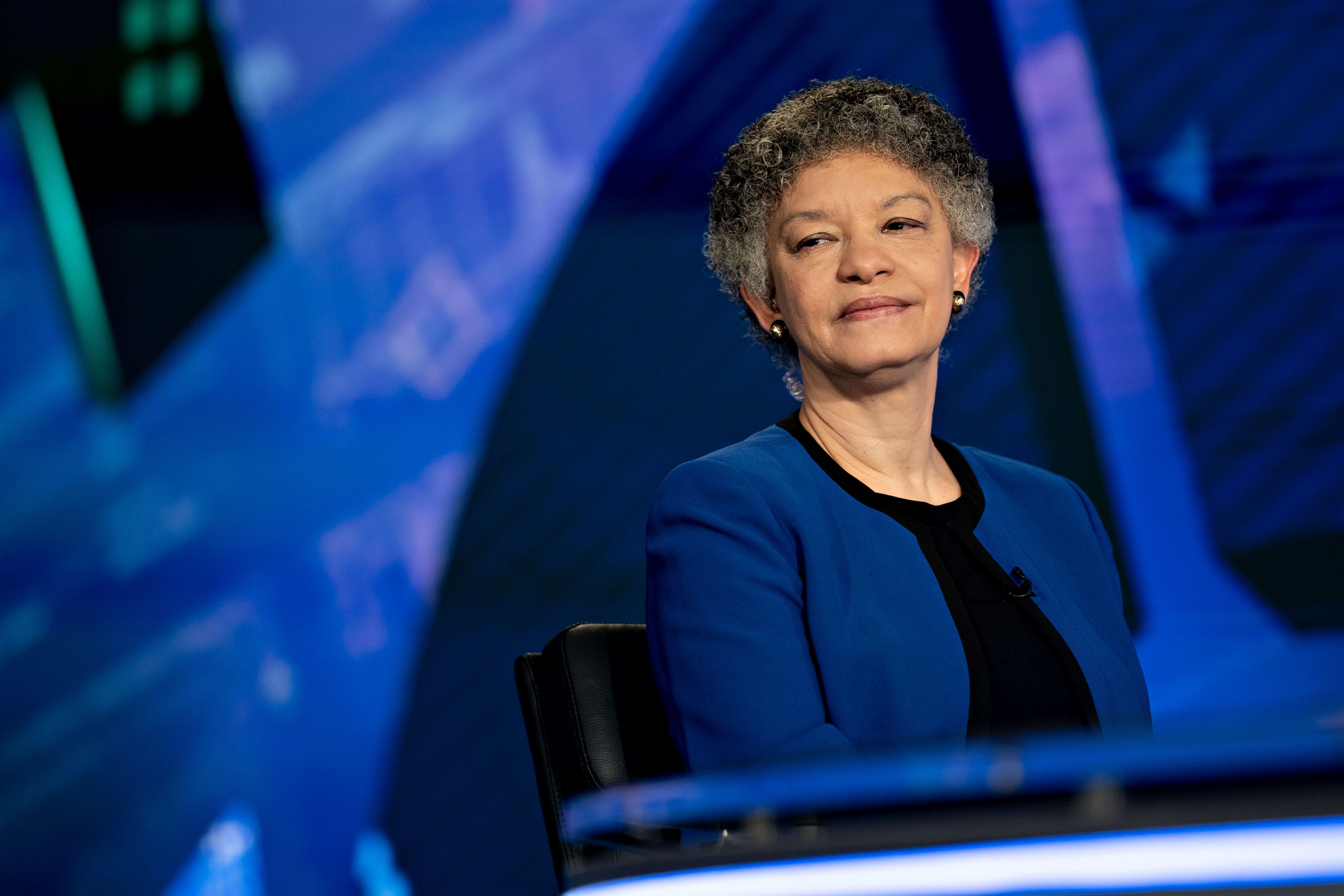
(Bloomberg) -- Federal Reserve Bank of Boston President Susan Collins said policymakers will need to be patient as they assess economic data to figure out their next steps and that further tightening may still be required, based on what the trends show.
“This phase of our policy cycle requires patience, and holistic data assessment, while we stay the course,” Collins said Wednesday in remarks prepared for an event with business leaders in Boston. “And while we may be near, or even at, the peak for policy rates, further tightening could be warranted, depending on the incoming data.”
The remarks by Collins, who doesn't vote on monetary policy this year, suggest she would support holding rates steady at Fed officials' next meeting on Sept. 19-20, reflecting investors' expectations as shown in fed funds futures. They will have more economic data to review before then, including fresh readings on inflation.
Also Read | Layoffs Are Rising In Tech, But These Skills Are Helping People Unlock Better Pay
The Federal Open Market Committee lifted its benchmark rate in July to a range of 5.25% to 5.5%, the highest level in 22 years, after holding steady in June. Policymakers are slowing the pace of their rate hikes as they near a potential end of their monetary policy tightening campaign.
But Fed Chair Jerome Powell stressed during last month's annual central banking conference in Jackson Hole, Wyoming, that officials aren't done fighting inflation. The Fed chief signaled interest rates will stay high and could rise further should the economy and inflation fail to cool.
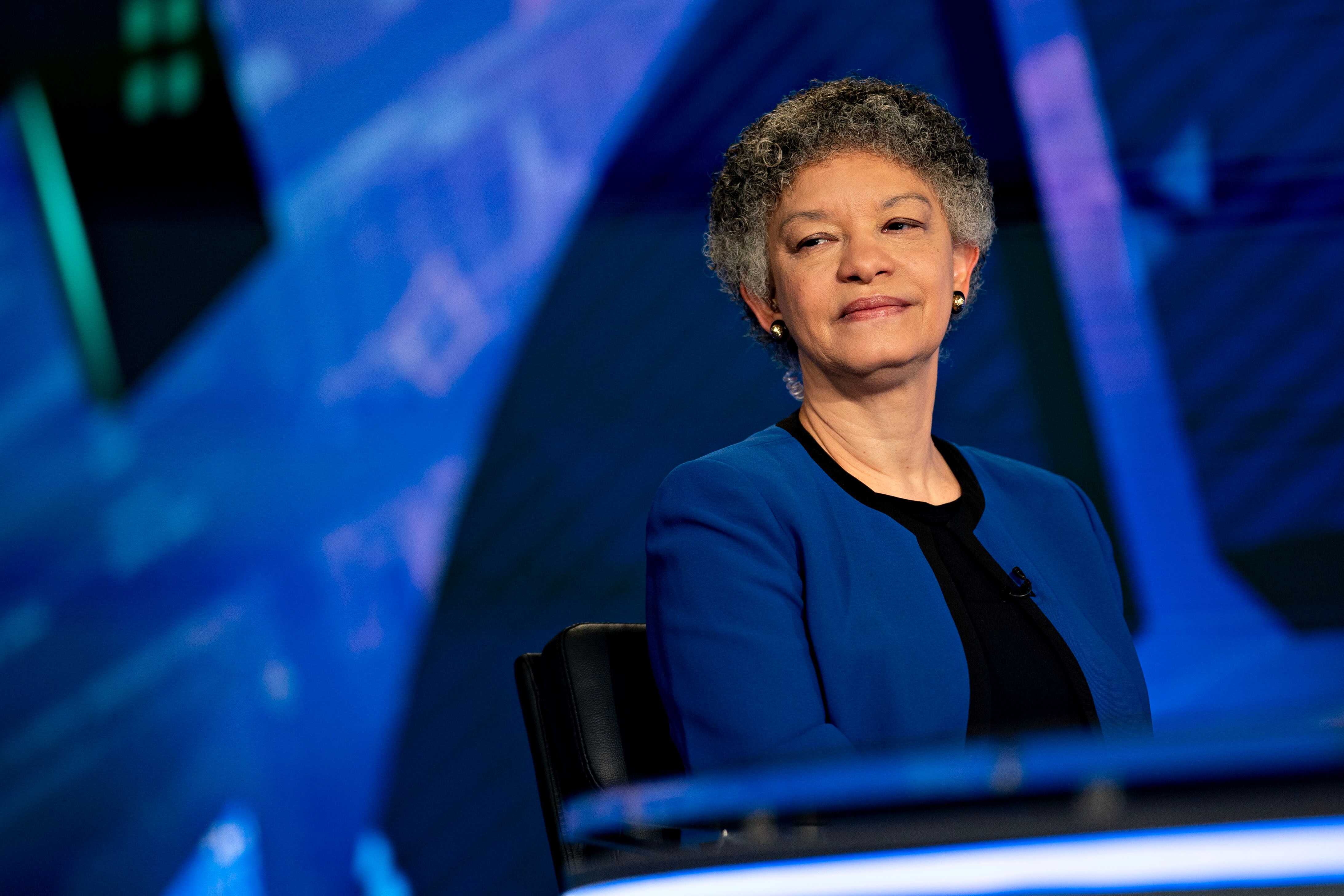
The Boston Fed chief said Wednesday that she expects the US central bank will “need to hold rates at restrictive levels for some time.” She said that while demand is moderating, it continues to outpace supply, adding to price pressures.
Collins said last month she thought interest rates were near a point where the Fed may be able to hold them steady, but further increases might be needed to cool an economy that has not yet slowed enough to bring inflation on a sustainable path back to 2%.
She said Wednesday that that core inflation has only slowed “modestly” and that there needs to be more rebalancing between supply and demand in the labor market.
“So, there are promising developments, but given the continued strength in demand, my view is that it is just too early to take the recent improvements as evidence that inflation is on a sustained path back to 2%,” Collins said.
More stories like this are available on bloomberg.com
©2023 Bloomberg L.P.
Essential Business Intelligence, Sharp Market Insights, Practical Personal Finance Advice, Daily Fuel, Gold and Silver Prices and Latest Stories — On NDTV Profit.