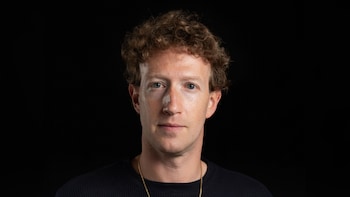
Elon Musk's vision of building an interconnected technology empire spanning Earth and space could take a major step forward if Tesla and SpaceX merge. The proposed combination, valued at around $3.5 trillion, would bring the electric-vehicle maker and the rocket company under one corporate umbrella.
Reuters reported that Musk backed the idea publicly on Tuesday, October 20, arguing that combining the businesses could accelerate their work in artificial intelligence (AI), robotics, semiconductor manufacturing and computing infrastructure.
Once viewed as largely separate ventures, Tesla and SpaceX are increasingly linked through Musk's ambitions in autonomous transportation, satellite connectivity and AI-powered machines. A merger could formalise these connections while giving the companies greater flexibility to share capital, technology and engineering resources.
Also Read | Layoffs Are Rising In Tech, But These Skills Are Helping People Unlock Better Pay
ALSO READ: Musk Seizes On SpaceX Momentum With Push Toward Tesla Merger
At the centre of the proposal is Musk's ambition to develop what he describes as superintelligence and build the infrastructure needed to support it.
“There's a lot to be gained from cooperating,” Musk said on Tuesday, referring to software, chip design, robotics, connectivity and the development of orbital data centres.
A combined company could also simplify decision-making across projects that currently involve separate boards and shareholders. Musk has previously argued that he needs greater influence over Tesla to pursue its AI and robotics plans. He owns nearly a fifth of Tesla and holds voting control at SpaceX.
Reuters reported that the proposed deal would give Tesla investors exposure to SpaceX's Starlink satellite broadband business, launch services and future space ventures. SpaceX shareholders, meanwhile, would gain access to Tesla's electric vehicles, energy storage, autonomous driving and robotics operations.
Supporters could see the combination as a way to deploy resources more efficiently across increasingly connected businesses. However, investors would also be exposed to a wider range of technological, regulatory and commercial risks.
The companies already have plans to collaborate on Terafab, a semiconductor and AI-computing project designed to produce advanced chips for Tesla's autonomous vehicles and Optimus humanoid robots, as well as SpaceX's AI and data-centre operations. Musk is targeting volume production by late 2028.
Tesla's battery technology and manufacturing expertise could support SpaceX's expanding energy and production requirements. Starlink connectivity could also help power future autonomous systems, including robotaxis and humanoid robots.
ALSO READ: SpaceX Shares Jump 10% In Premarket As Musk Hints At Tesla Tie-Up After Q3 Earnings Beat
Despite the potential synergies, combining the companies would bring significant challenges.
SpaceX's role as a major US government contractor, alongside Tesla's substantial manufacturing presence in China, could attract national-security and regulatory scrutiny on both sides.
Shareholder approval, governance concerns and questions over capital allocation would also need to be addressed. More importantly, projects ranging from Starship and robotaxis to humanoid robots and orbital data centres remain expensive and technically demanding.
Essential Business Intelligence, Sharp Market Insights, Practical Personal Finance Advice, Daily Fuel, Gold and Silver Prices and Latest Stories — On NDTV Profit.