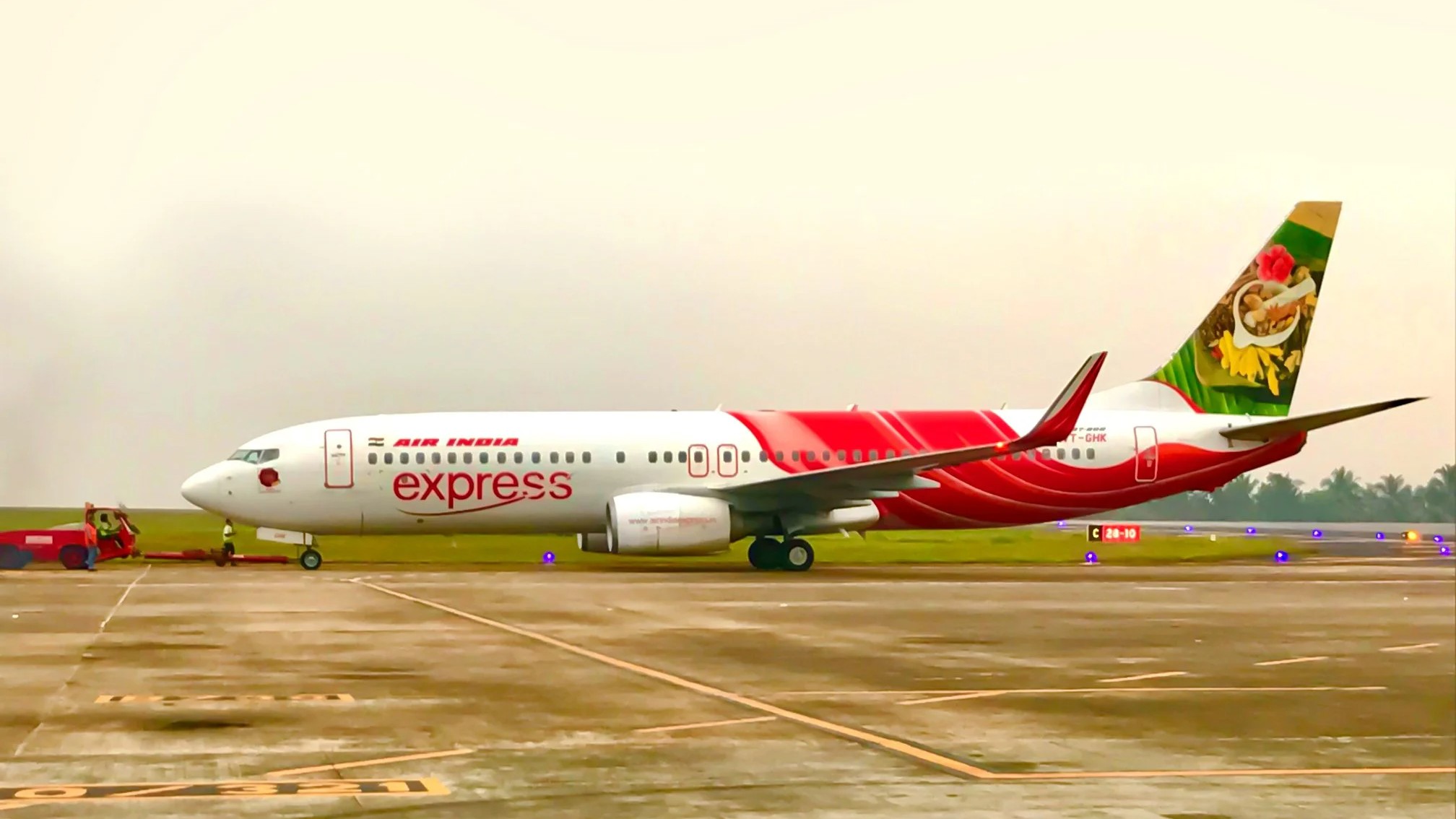
Air India on Tuesday took measures such as rostering its crew and configuring its aircraft to ensure compliance for low-visibility operations.
The Directorate General Of Civil Aviation has announced Dec. 10 to Feb. 10 in the coming year to be the official fog window during the winter. The northern parts of India, which include Air India's primary hub, Delhi, deal with low visibility owing to dense fog, with a potential to have a domino effect on flight schedules across the network.
Air India, reported in a statement that it has undertaken various measures, including rostering CAT-IIIB crew in adequate numbers, along with aircrafts which are compliant for such operations to mitigate disruption and minimise passenger experience during the fog season.
These measures also include network-wide airport readiness, tech-enabled passenger assistance and proactive communications to minimise passenger inconvenience during the period.
Air India also said it is 'working' in close coordination with all stakeholders as well.
Following marked improvements in operations during the fog window last year, and taking cues from the previous years' experiences, Air India has further strengthened its internal SOPs and adopted proactive measures to address potential fog-related delays and disruptions, the airline said.
Air India said it will ensure adequate cockpit crew, trained in Low Visibility Operations (LVO) through III B or specific Instrument Landing System (ILS), is in place to operate flights during the critical fog window. This also includes trained crew on stand-by for any emergency.
Along with this, Cat III-B certified aircraft will also be deployed for operations during the fog window at strategic locations that are prone to fog impact, the airline said.
Category-III is an advanced navigation system that empowers an aircraft to land under foggy conditions. Category-III-A is a precision instrument approach and landing that enables a plane to land with a runway visual range (RVR) of 200 meters, while Category-III-B helps in landing with an RVR of under 50 metres.
It also said that airport teams will monitor delays, make regular announcements, and proactively rebook impacted passengers on alternative flights, adding that flight schedules have been aligned to minimise inconvenience to passengers on long-haul and metro-to-metro flights with onward connectivity.
Also, the Integrated Operations Control Centre and teams at key airports across Air India's domestic network will work round-the-clock to keep every flight running safely and smoothly. This includes real-time met forecast to help prepare for anticipated disruptions, safety risk assessments for severe weather alerts and enabling proactive schedule adjustments, Air India.
It also said that passengers will receive alerts over SMS, WhatsApp and email before arriving at the airport and real-time updates will continue across the Air India website and social channels.
(With PTI Inputs)
Essential Business Intelligence, Continuous LIVE TV, Sharp Market Insights, Practical Personal Finance Advice and Latest Stories — On NDTV Profit.