The inexpensive models from electric vehicle makers Geely Auto and Wuling Motor Holdings have topped the sales charts in China, leaving behind the higher-priced models from BYD and Tesla.
The competition between Chinese electric-vehicle makers has been intensifying every passing year. And with Tesla in the race as well, the sales charts are a sight to behold.
As per a report by the South China Morning Post (SCMP), Geely has sold more than 4,59,000 units of the Xingyuan EV. This EV was priced between 68,800 yuan (US$ 9960) and 98,800 yuan.
“Last year, the company had sold only 52,570 units,” says a list of the top-selling EV models on the mainland, compiled by a unit under the state-owned China Automotive Technology and Research Centre.
Wuling followed closely, with a 55% year-on-year sales jump to 427,000 units in 2025. The sales of this company have been edged ahead by another sub-100,000 yuan car, the Mini EV.
While Tesla's sales have fallen more than 21%, the company still retains the third spot. The company's Model Y sold 382,300 units in 2025. The Tesla sales have slumped despite the US EV giant releasing several payment schemes to boost volumes of the car priced between 260,000 yuan and 310,000 yuan.
Also Read: Tesla Loses EV Crown To BYD After Second Annual Sales Drop
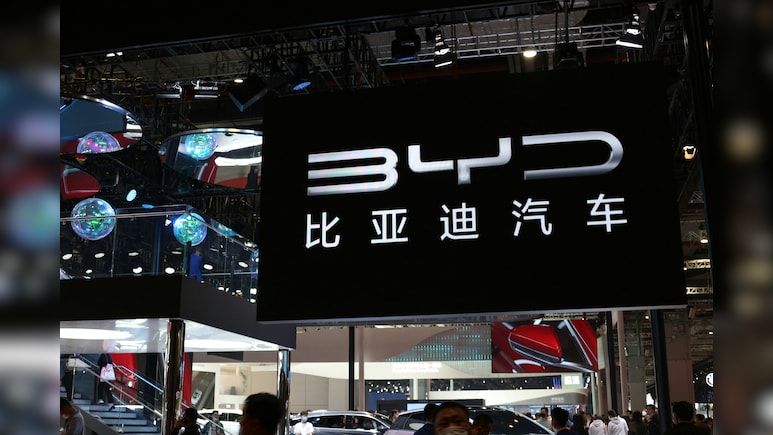
BYD has underperformed Tesla on the year-on-year sales front, with a 31% slump. Company's Seagull, the second best-selling EV in 2024, slid to fourth place in 2025.
The policy makers in the mainland have repeatedly urged car makers not to rely on discounts and deflationary pressures. They have been urging companies to shift to better alternatives like pricing upgraded models at lower levels and rolling out subsidised purchase schemes for as long as seven years.
The regulators have been taking a tough stance in tackling deflationary pressures as well. In mid-February, the state administration for Market Regulation banned carmakers from selling new cars for less than the cost of production, including through discounts and subsidies.
EV demand in China has plummeted to a concerning level at the beginning of the year, according to Nomura. Monthly sales of passenger EVs stood at 596,000 units in January, a decline of nearly 20% year-on-year, while EV penetration dropped to 38.3%, according to a report by the Japanese bank on February 16, which noted that the phasing out of tax incentives could be one of the factors.
Also Read: Ford, Tesla, BYD Face ‘EV Winter' In 2026 As Sector Growth Cools
Essential Business Intelligence, Continuous LIVE TV, Sharp Market Insights, Practical Personal Finance Advice and Latest Stories — On NDTV Profit.