Four years ago, Swiggy survived even as cash-starved peers went out of business. But the food delivery market has since turned even more competitive and continues to bleed, and the startup is looking beyond restaurants.
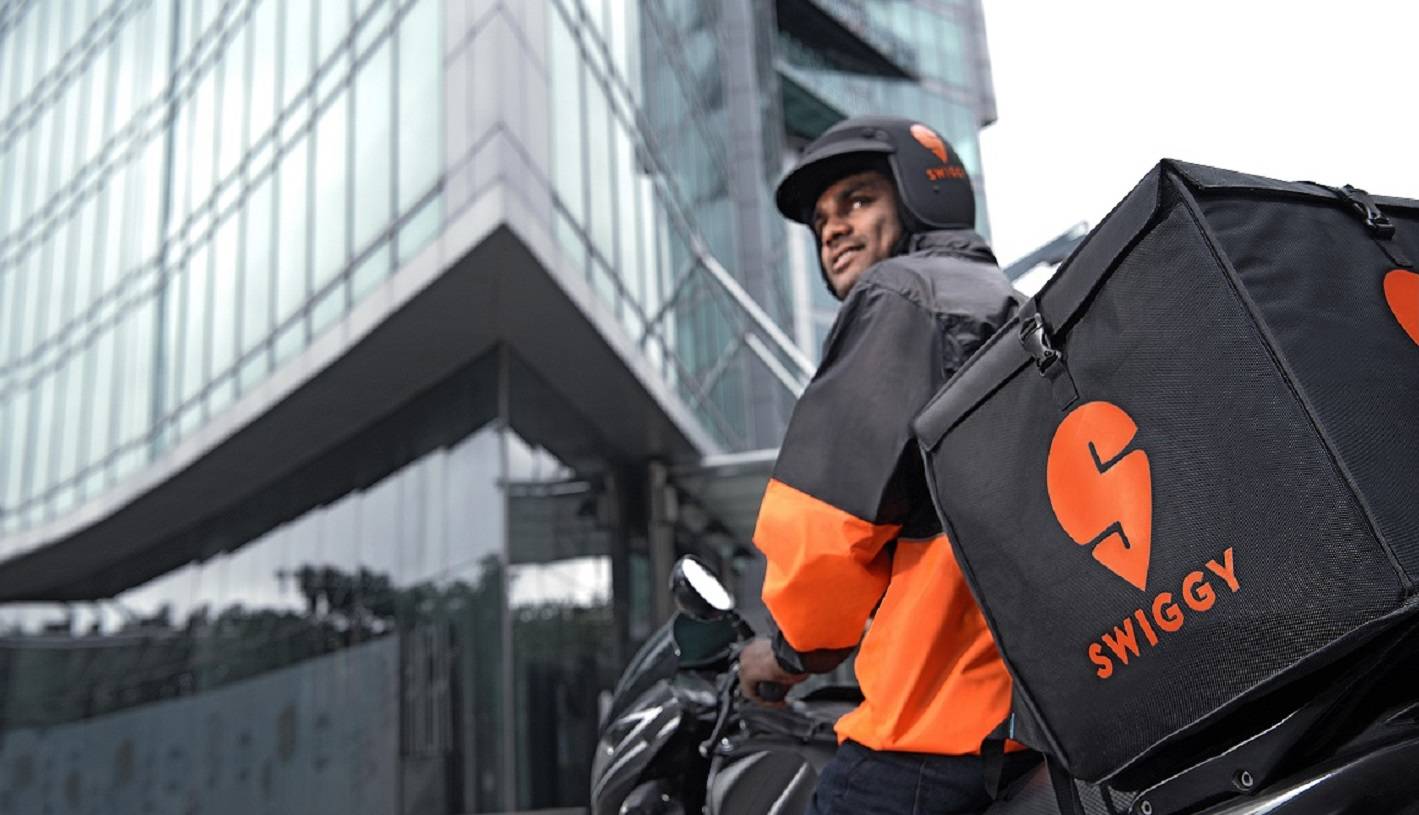
Now a unicorn, Swiggy is arming its 2,00,000-plus fleet of motorbike riders to deliver not just your favourite meal but also groceries, office supplies, and even something you left back at a friend's place. It launched multiple on-demand services in the past year. The idea is to deliver anything at the speed it brought burgers to biryani to your doorstep.
“After food delivery across the country, Swiggy is best placed both in terms of technology and logistics to understand how to fix the broken local commerce experience,” Vivek Sunder, chief operating officer at Swiggy, told BloombergQuint in an emailed response. What gives the firm confidence is it's already doing more than 40 million orders a month.
For Ankur Pahwa, partner and national leader for e-commerce and consumer internet at EY India, its a natural progression. “They have a stable demand during certain parts of the day for their food business, and it's growing,” he told BloombergQuint over the phone. “Now they are using the same infra to do more.”
India's meal delivery market, according to Statista, generated $7.7 billion in annual revenue as of September. Swiggy and Zomato, which together raised $2 billion from investors last year, dominate while competing with well-funded Uber Eats, Dunzo and Ola-owned Foodpanda.
Still, Zomato reported a loss worth $294 million in the year ended March. Swiggy, which is yet to disclose 2018-19 numbers, posted a loss of $56 million in FY18. FoodPanda, Ola's second tryst in the business, is struggling. The competition is only going to get fiercer as Amazon plans to bring its logistics heft to this market.
That makes Swiggy's diversification push logical. The on-demand delivery market has only only large competitor in Google-backed Dunzo, while others like Milkbasket or Doodhwala are niche players.
Fierce Competition Awaits
Swiggy Stores now delivers from neighbourhood grocery shops, supermarkets and florists, among others. Subscription-based Supr brings milk and other essentials every morning. Earlier this month, the food ordering platform launched Swiggy Go, a pick-and-drop service to send packages anywhere within a city, in Bengaluru and plans to expand it to other metros.
Swiggy's new business, however, will bring it partly into competition with Amazon, BigBasket and Grofers in India's next big online retail bet: grocery.
.jpg "A woman carries plastic bags filled with groceries (Photographer: Manaure Quintero/Bloomberg)")
K Ganesh, founder of venture building platform Growth Story, however, doesn't think Swiggy is in the same league. In grocery, nearly 90 percent of the demand is monthly which players like BigBasket are addressing, he said, adding the rest is the top-up demand.
Swiggy COO Sunder, however, stressed that the startup is not going into grocery but local commerce. “Hyperlocal delivery of grocery only constitutes some percentage of our orders on Stores and we have other categories like pan shops, florists and pharmacies (over-the-counter drugs) as well.”
Thin Margins, Cash Burn
Still, even hyperlocal delivery has been a difficult market. Well-funded startups like PepperTap and Localbanya, besides Lazylad and Movincart, tried and failed. Investors weren't willing to fund a business that lacked a sustainable model, had high customer acquisition cost and worked on thin margins.
Even now, Swiggy will vie with smaller niche players that provide everything from two-hour deliveries to subscription-based milk service, according to Satish Meena, senior forecast analyst at Forrester Research. That will only further fragment a customer's spending, he said. The basket size is small, and so is the ticket size, he said. “It is difficult to make money per order. Swiggy will also have to invest a lot in making sure that ticket size of order also increases.”
Kunal Khattar, partner at early-stage venture fund AdvantEdge that has backed ride-hailing platform Rapido, said margins are higher in food but thin in on-demand grocery. “For Swiggy Go, it's yet to be seen how big the demand is and if a customer is willing to pay.”
According to Dipti Lavya Swain, partner at HAS Advocates that tracks startups, “While there is a demand, it is also a cash-burn model no doubt, and could go either way for Swiggy depending on how efficiently they do it.”
And, another threat is looming. Reliance Industries Ltd. acquired Mumbai-based hyperlocal delivery venture Grab as Mukesh Ambani, Asia's richest man, marries online and offline retail. It's about to up the ante with technology and tie-ups with small stores, Swain said.
What can work for Swiggy is its dedicated fleet of riders who are engaged only during certain hours of the day. The more Swiggy and Dunzo are able to use a rider, the higher the profitability, according to Ganesh. If a rider earns more, the business model becomes better, he said. So, according to him, for a food delivery platform to expand into other categories makes sense.
Essential Business Intelligence, Continuous LIVE TV, Sharp Market Insights, Practical Personal Finance Advice and Latest Stories — On NDTV Profit.