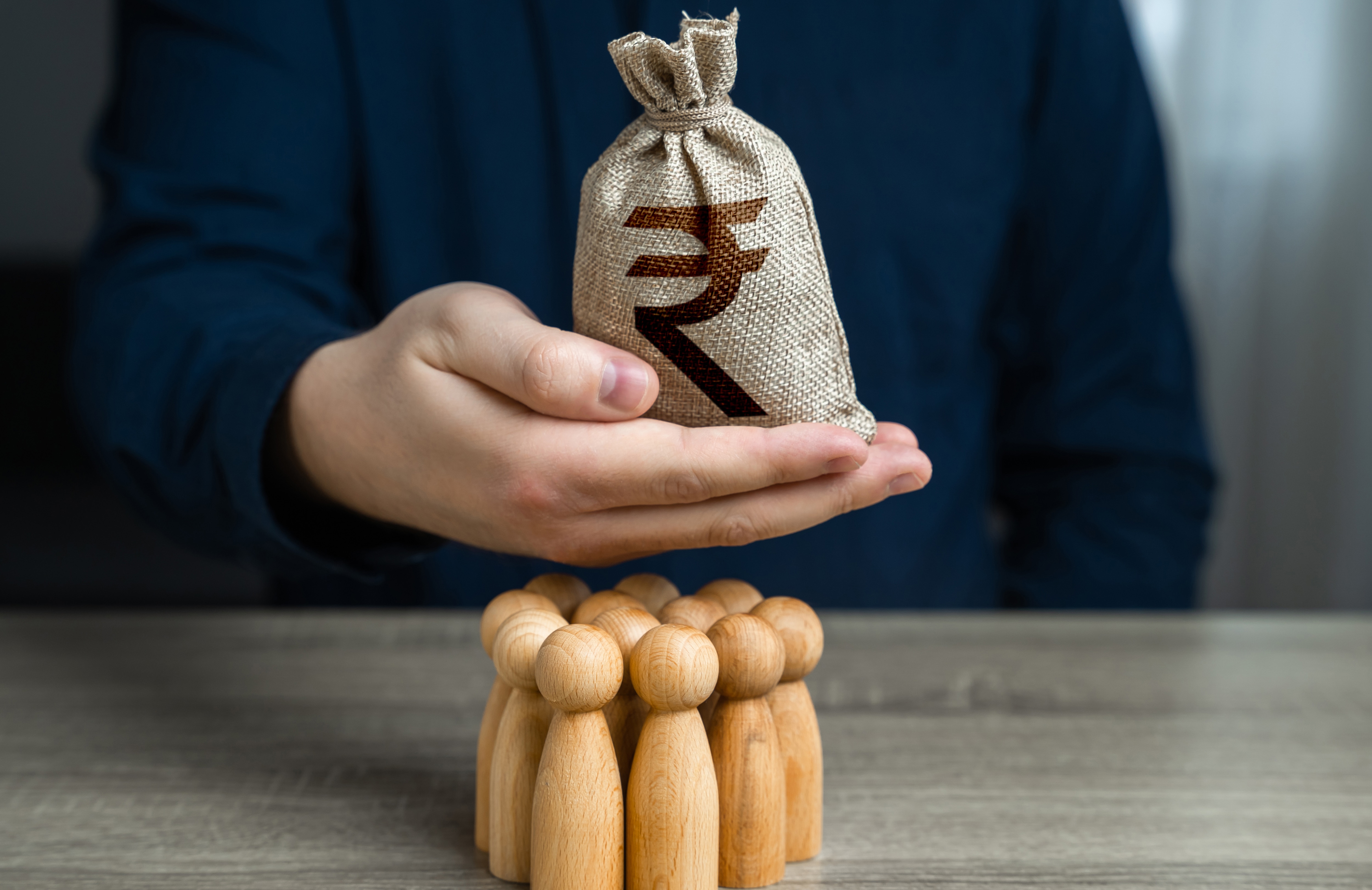
If you are anxious about money, you are not alone. People from different countries, backgrounds, and income levels face financial pressure when it comes to inflation and growing financial responsibilities.
Financial stress shows up in many ways, such as worrying about paying bills, feeling guilty about spending on small pleasures, constantly checking your bank balance, or lying awake at night thinking about EMIs, rent, savings, or debts.
According to an American Psychological Association (APA) study, "72 percent of Americans feel stressed about money at least some of the time." Mental health professionals state that money anxiety can lead to sleepless nights, mood swings, panic attacks, and difficulty concentrating.
The study has also found that people with the lowest incomes are 1.5 to 3 times as likely to experience mental health issues, whereas people with a financial plan are 2x more likely to report no anxiety or depression.
The most affected are the young adults who are dealing with student loans, unstable incomes or rising living costs. Some even feel pressured to maintain a certain lifestyle, even when their finances don't support it. When it comes to parents, they often struggle with their children's school fees, healthcare costs and household expenses.
Thinking about money can take a toll on your emotional health and mental well-being. Some might feel guilty for spending money even if they know they can afford it, while others may be afraid of looking at their bank balance.
As inflation, high interest rates and cost of living rises, money anxiety becomes a concern. The only way you could be out of financial stress is to be more open about it because it becomes easier to manage both emotional and financial well-being.
One of the best ways to avoid money anxiety is by tracking your expenses for a month. Note down how much you spend on food, transport, bills or other daily needs. So, when you see the full picture, the fear reduces because you know exactly where your money is going.
Another way is to build a small emergency fund as even saving Rs 1,000 a month can make a big difference over time. You can also reduce money anxiety by creating a simple budget and stick to it for a month, avoid impulsive purchases, and prioritize your payments by paying for essentials first.
Essential Business Intelligence, Sharp Market Insights, Practical Personal Finance Advice, Daily Fuel, Gold and Silver Prices and Latest Stories — On NDTV Profit.