- UIDAI will enable fully digital Aadhaar updates from Nov 1, 2025, for faster service
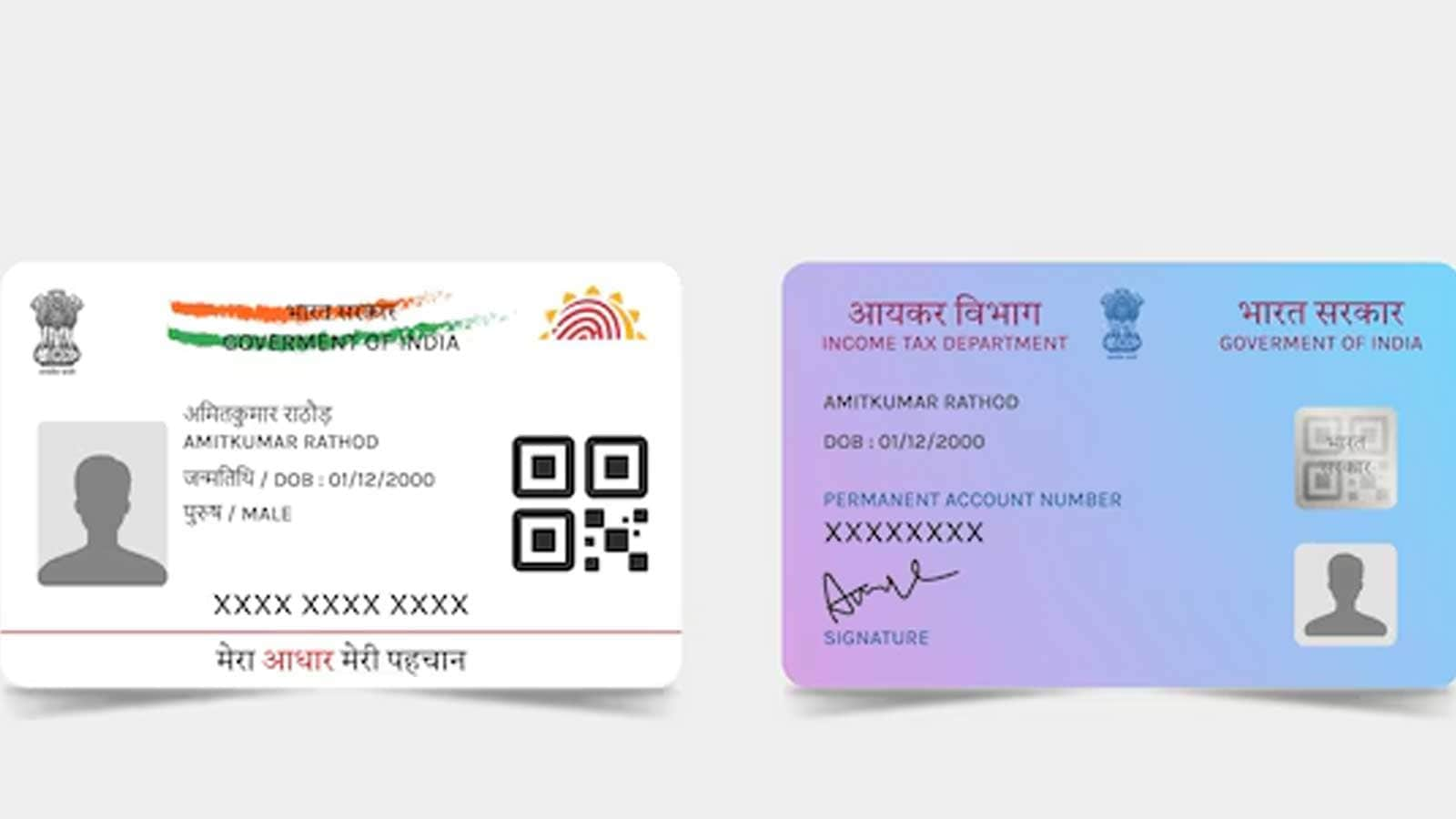
- Aadhaar-PAN linking mandatory by Dec 31, 2025; PAN deactivation starts Jan 1, 2026
- Aadhaar KYC can be completed online via OTP or Video KYC; in-person KYC also allowed
The Unique Identification Authority of India (UIDAI) has announced several important changes to Aadhaar rules and guidelines in the last few months as a part of its consistent efforts to simplify the services. The latest rules pertaining to Aadhaar updates, effective from Nov. 1, 2025, are aimed at offering a faster and easier process for Aadhaar updates through a completely digital mode.
The revised KYC norms and new Aadhaar–PAN linking deadline will also impact customers of all banks and financial institutions. Failure to complete the Aadhaar-PAN linking within the deadline may lead to certain restrictions in banking services.
Under the new guidelines, Aadhaar corrections and updates will become faster and more convenient with a completely paperless process. Aadhaar cardholders can now update demographic details like their name, address, date of birth and mobile number online. Starting November, for Aadhaar updates, the cardholders are not required to visit an enrolment centre or stand in long queues.
For updating personal details on Aadhaar cards, the cardholders must submit relevant documents like PAN, passport and ration card online. The changes and documents will be digitally verified through the internal databases. This will make the process faster, secure and more user-friendly, according to UIDAI.
Aadhaar-PAN Linking Deadline
The government has made Aadhaar-PAN linking mandatory for all PAN holders by Dec. 31, 2025, as per the new rules. For those who don't link it, the PAN card will be deactivated from Jan. 1, 2026. As per the UIDAI and Income Tax Department guidelines, PAN will also become invalid for all tax and financial transactions.
In order to obtain a new PAN card, applicants will also be required to complete an Aadhaar-based verification.
Revised Fees And Simplified Digital KYC
The banking services and several other financial transactions are going to become more convenient with a completely paperless Know Your Customer (KYC) process, under the new rules. Customers of banks and financial institutions can now complete KYC online through Aadhaar OTP-based verification and Video KYC. In-person KYC verification can also be done at bank branches.
UIDAI has also revised the Aadhaar validation guidelines. Banks and financial institutions can now perform Aadhaar-based KYC only if the Aadhaar number is active and non-duplicate, as per the revised rules.
The fee structure for some Aadhaar services has also been revised by the UIDAI. The new changes come into effect from Nov. 1.
For any change in personal details like name, address, or mobile number in Aadhaar cards, the fee has been revised to Rs 75 from Rs 50 earlier. Aadhaar cardholders will now be required to pay Rs 125 for biometric updates like fingerprint, iris scan, or photo. Earlier, it was Rs 100.
Online document updates are available for free till June 14, 2026, but cardholders will be charged Rs 75 for the same at enrolment centres. A fee of Rs 40 will be charged for an Aadhaar reprint.
Essential Business Intelligence, Continuous LIVE TV, Sharp Market Insights, Practical Personal Finance Advice and Latest Stories — On NDTV Profit.