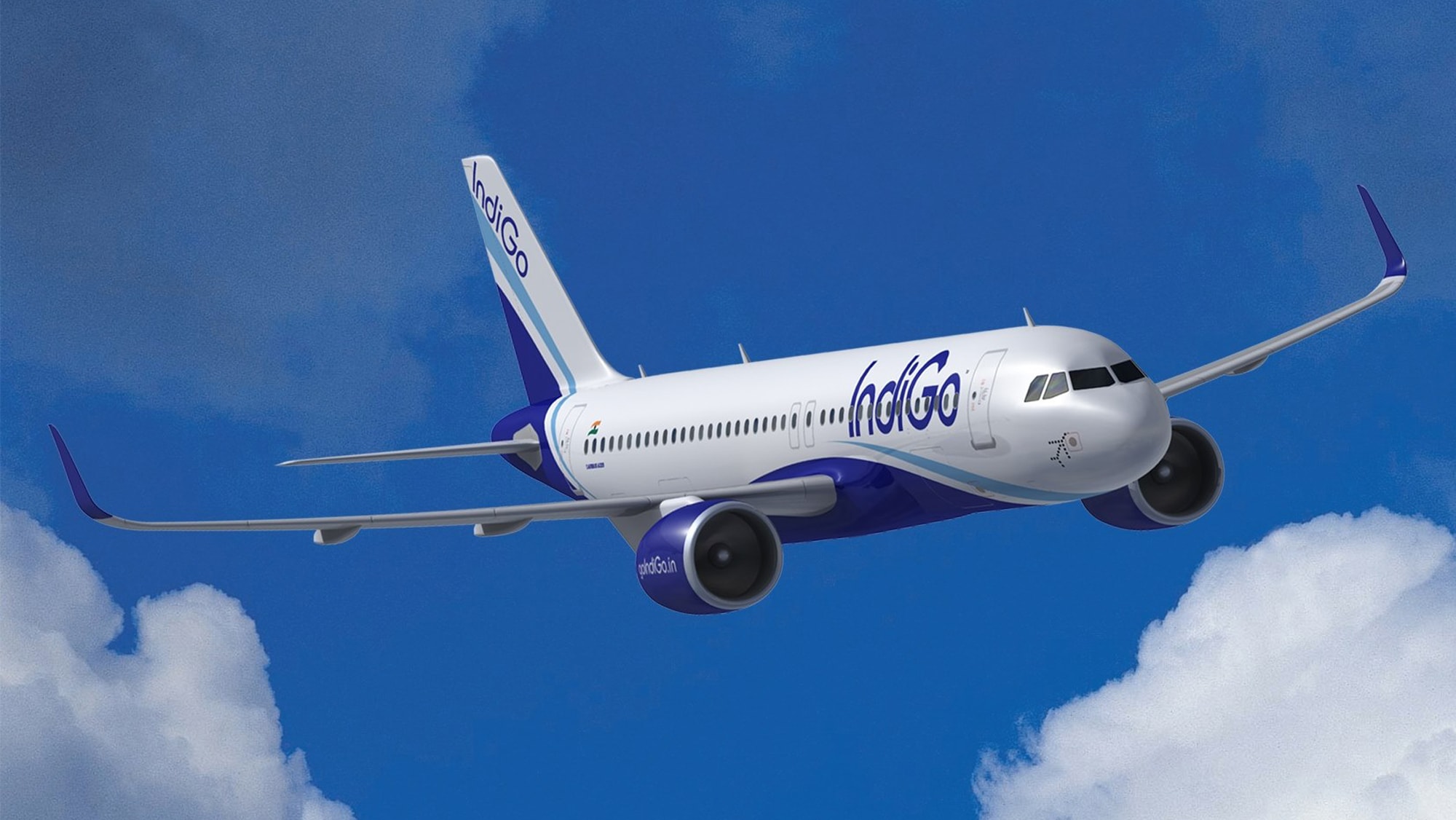
Following days of unprecedented crisis linked to IndiGo flights, the airline has said operations should return to normal by Feb. 10. The largest airline in India has cancelled more than 1,500 flights in the past few days after a severe crew shortage and problems tied to new flight duty rules crippled its operations.
The disruptions left thousands of passengers stranded at major airports, leading to massive backlash against the airline. Long queues at ticket counters, angry passengers, protests at major airports and a viral open letter by employees on the alleged mismanagement by the airline have deepened the IndiGo crisis.
Many travellers missed connecting flights and important events, including weddings, concerts and seminars amid the massive cancellations by IndiGo. The situation prompted the government to order a high-level inquiry and put the new norms on hold temporarily to restore flight operations.
Also Read | Layoffs Are Rising In Tech, But These Skills Are Helping People Unlock Better Pay
Meanwhile, IndiGo has said that stabilising crew rosters is its top priority and promised smoother operations soon.
But how did this crisis unfold and what made it worse? Here's a timeline of events:
IndiGo Crisis: Timeline Of Major Developments
November 2025: The Directorate General of Civil Aviation, India's aviation sector regulator, rolled out the second and final phase of the new Flight Duty Time Limitations norms in November. The first phase came into effect in July after a delay of nearly a year.
The revised rules were meant to improve crew safety and rest hours, allowing increased weekly rest periods and changes in night duty norms. It turned out that IndiGo, which commands 60% of India's domestic aviation segment, was ill-prepared for the adoption of the new norms. Its massive scale of operations posed a challenge to comply with the new norms at its existing crew strength.
Dec. 2: IndiGo's on-time performance fell sharply to 35% and continued to worsen in the following days. On Dec. 3, the airline blamed a Microsoft-linked outage for check-in system issues. However, Microsoft rejected the airline's claims.
Industry sources told news agency PTI that the primary reason for the issue was staff shortage and DCGA noted that delays actually began in late November.
Dec. 4: IndiGo's punctuality fell to less than 10% with over 550 domestic and international flights cancelled. The same day, airline CEO Pieter Elbers admitted that the airline failed to deliver its promise. Amid the chaos, an alleged open letter from IndiGo staff blames planning failures for massive disruptions. The letter claimed that “operational collapse was allowed to escalate in a way that exerted pressure on the government for extension/relaxation.”
OPEN LETTER – FROM INDIGO PILOTS, CREW & GROUND STAFF
The recent mass disruptions were not just an operational failure — they were a failure of planning and frontline protection.
Across airports, it was employees who faced passenger anger, public blame, and personal abuse,…Dec. 5: Over 1,000 IndiGo flights were cancelled. The CEO said that massive cancellations were necessary for “progressive improvements.” Meanwhile, stranded passengers were unable to take other flights as prices soared to over five times to more than Rs 50,000, on certain routes.
Message from Pieter Elbers, CEO, IndiGo. pic.twitter.com/bXFdqoB0Q2
On Friday, the DGCA ordered an inquiry into the IndiGo crisis and eased certain provisions of the new norms to help airlines stabilise operations. It granted IndiGo exemptions from some night duty rules until Feb. 10.
DGCA withdraws instructions to all operators regarding Weekly Rest for crew members.
"...In view of the ongoing operational disruptions and representations received from various airlines regarding the need to ensure continuity and stability of operations...the instruction… pic.twitter.com/uJXxs6SxqyThis exemption was allowed by DGCA based on the condition that the airline must submit frequent progress reports and a roadmap to achieve full Phase-II FDTL compliance within 30 days.
Essential Business Intelligence, Sharp Market Insights, Practical Personal Finance Advice, Daily Fuel, Gold and Silver Prices and Latest Stories — On NDTV Profit.