- SEBI proposed allowing FPIs to net funds for same-day cash market trades to improve efficiency
- Currently, FPIs must settle equity cash trades on a gross basis, funding purchases separately
- Netting would let FPIs use sales proceeds to fund purchases, reducing net fund obligations
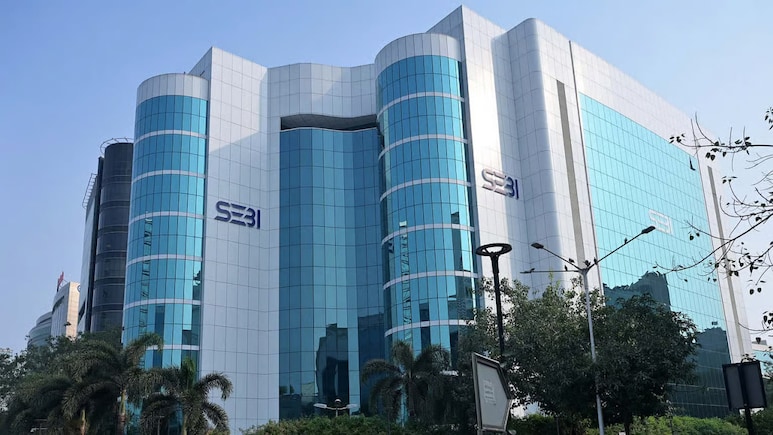
Markets regulator SEBI on Friday proposed allowing Foreign Portfolio Investors (FPIs) to net funds for same-day cash market trades, instead of settling each trade individually, a move aimed at enhancing operational efficiency and reducing the cost of funding for them, especially on index rebalancing days.
Under the current framework, an FPI needs to settle equity cash market trades on a gross basis, funding each purchase transaction independently of any sale transactions, even on the same day.
The current system leads to an additional cost of funding for FPIs for at least one additional day. Also, there could be potential costs involved due to slippage between buying and selling forex to fulfil their obligations.
Also Read | Layoffs Are Rising In Tech, But These Skills Are Helping People Unlock Better Pay
To address these concerns, SEBI reviewed the existing practice of gross settlement and proposed permitting 'netting of funds' for transactions done by FPIs in the cash market, according to its consultation paper.
Netting of funds refers to using the proceeds of sale transactions in the cash market on a particular day to fund the purchase transactions in the cash market done by an FPI on the same day, thereby requiring the FPI to fulfil only the net fund obligation.
SEBI has proposed that the transactions in securities with only outright sale or outright purchase would be netted to arrive at a net fund obligation for outright transactions.
Outright transactions mean those transactions done by an FPI where there is either a purchase or a sale transaction, but not both, in a security in a particular settlement cycle.
The transactions in those securities where there are both buy and sell transactions for a given FPI in a particular settlement cycle will be excluded from netting. Therefore, netting of intra-day transactions in the same securities would be excluded, and such non-outright transactions would continue to be confirmed on a gross basis, as per the current procedure, SEBI suggested.
Further, if the value of outright sell does not exceed the value of outright buy,then the residual amount, along with non-outright buy obligations, would be funded by the FPI. However, if the value of outright sell exceeds the value of outright buy, then the excess outright sell wouldn't be adjusted towards non-outright buy obligations.
SEBI clarified that the settlement of securities would continue to be carried out on a gross basis between FPIs and custodians; accordingly, Securities Transaction Tax(STT) and stamp duty would continue to be charged on delivery basis.
The proposal, if implemented, would help in "reducing cost of funding for FPIs, especially on index rebalancing days, considering there would be outright purchases or sales in incoming or outgoing stocks in an index. At the same time, considering that non-outright transactions are proposed to be confirmed on a gross basis, this would address the risk of swaying of markets by FPIs holding large quantities of securities", SEBI said.
The Securities and Exchange Board of India (SEBI) has sought public comments till February 6 on the proposals.
Essential Business Intelligence, Sharp Market Insights, Practical Personal Finance Advice, Daily Fuel, Gold and Silver Prices and Latest Stories — On NDTV Profit.