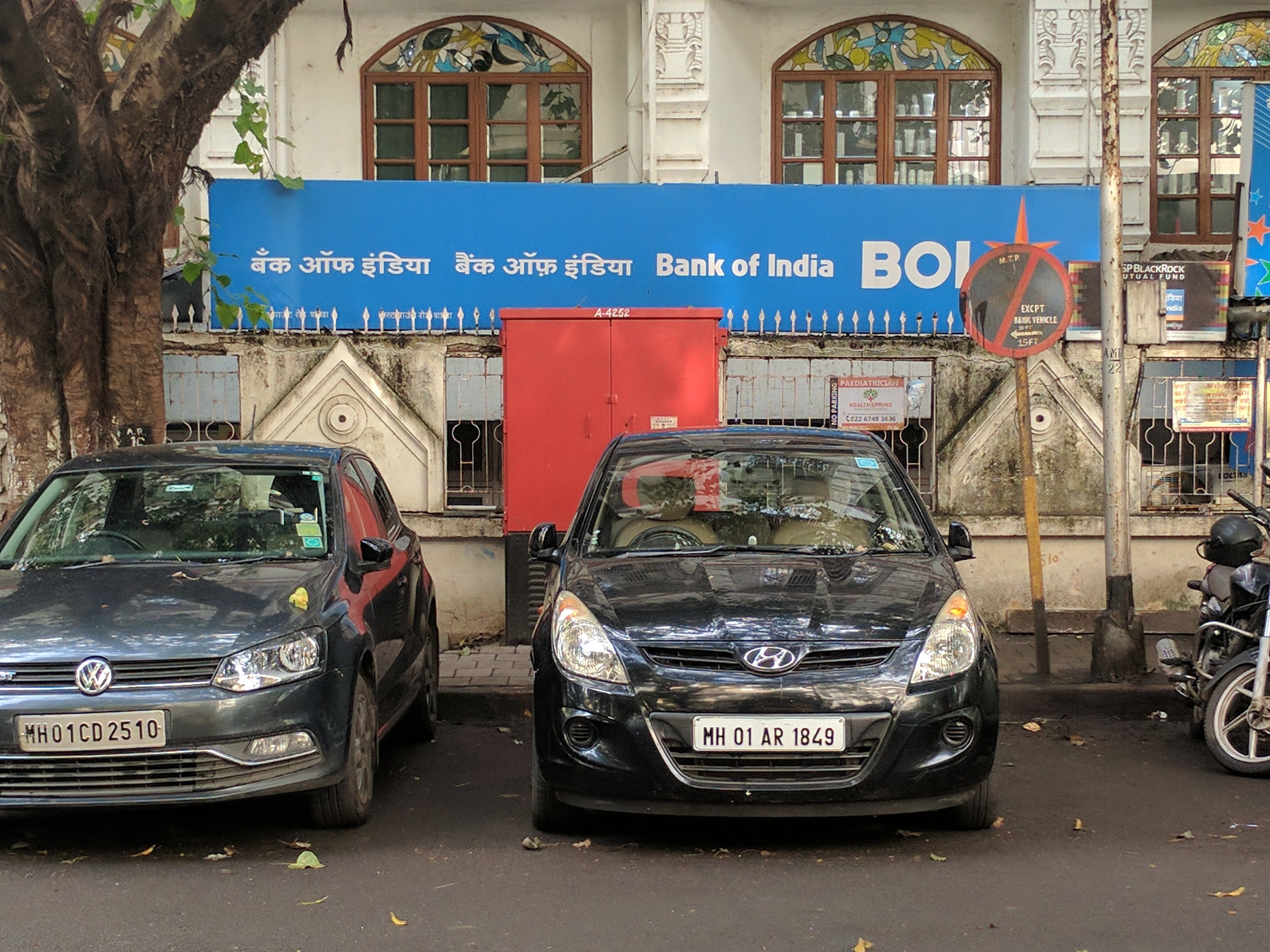
Shares of Bank of India Ltd. tumbled as much as 5 percent after the Reserve Bank of India (RBI) initiated prompt corrective action against the state-owned lender.
RBI's action was on account of Bank of India's high net non performing assets (NPAs), insufficient capital and a negative return on asset for two consecutive years, according to a stock exchange filing. The action will contribute to the "overall improvement in risk management, asset quality, profitability, efficiency" of the bank, the filing added.
Bank of India had reported a net NPA ratio of 6.47 percent of the total advances for the quarter ended September. It's gross NPA ratio was at 12.6 percent. It's capital adequacy ratio stood at 12.23 percent.
Bank of India is the ninth lender to be put under the RBI's so-called prompt corrective action (PCA) framework, after it was revised in April. Other banks in the list include Central Bank of India, IDBI Bank, UCO Bank, Dena Bank, Oriental Bank of Commerce, Indian Overseas Bank, Bank of Maharashtra and Corporation Bank.
PCA is undertaken when a lender's financial indicators weaken below a prescribed level. Subsequent to the PCA, controls are imposed on declaring dividends and on expanding operations. In some cases, restrictions are also placed on lending.
As part of the new rules disclosed on April 13, the RBI defined three risk thresholds for key indicators such as NPAs and linked specific corrective measures to each threshold.
Banks with a net NPA ratio of 6-9 percent will fall under risk category 1. Lenders with net NPAs between 9-12 percent of all loans fall into the second risk category, while those with a net NPA ratio above 12 percent fall into the third category.
Under the first risk threshold, the bank could qualify for action such as restriction on dividend distribution and remittance of profits to shareholders, including the government. These will be over and above the common restrictions such as reduction in risky assets on the bank's books and reduction in concentration to some identified sectors.
Essential Business Intelligence, Continuous LIVE TV, Sharp Market Insights, Practical Personal Finance Advice and Latest Stories — On NDTV Profit.