- Gold is shifting from a safe haven to a speculative trading commodity, say analysts
- Chinese traders are blamed for recent gold price volatility and trading frenzy
- US Treasury Secretary Bessent calls gold's surge a 'classical, speculative blowoff'
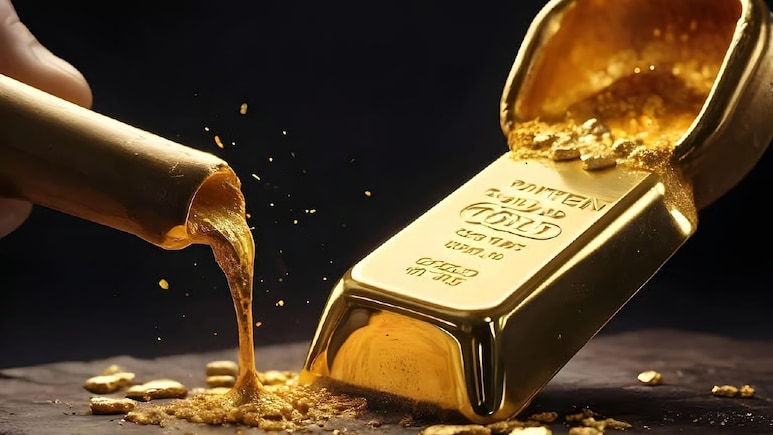
Gold, long seen as a safe-haven asset, could be turning into a speculative trading commodity, according to a section of analysts. The recent volatility in its rate has opened doors to more speculative trade, with "unruly" Chinese traders being blamed for the unprecedented whipsaw.
US Treasury Secretary Scott Bessent is among the latest to warn investors, as he sees gold as a "classical, speculative blowoff". He echoed other analysts who have, in recent weeks, pointed towards the outsized role of Chinese retail and institutional investors in driving the frenzy.
“The gold move thing, things have gotten a little unruly in China … They are having to tighten margin requirements. So gold looks to me kind of like a classical, speculative blowoff," Bessent said on Fox News' Sunday Morning Futures.
Also Read | Layoffs Are Rising In Tech, But These Skills Are Helping People Unlock Better Pay
The China factor has been "dominant" in driving the gold whipsaw, according to Nicky Shiels, head of research and metals strategy at MKS Pamp. She cited the massive surge in Chinese trading futures and exchange-traded funds linked to the yellow metal.
“That's been driven by a mix of speculative inflows, retail and institutional, through a mix of ETFs, physical bars and futures positioning,” Shiels told CNBC. Her comments come against the backdrop of data released by Capital Economics which showed that Chinese gold-backed ETF holdings have more than doubled since the start of 2025.
ALSO READ: Looking To Buy Gold, Silver Amid Price Crash? Here's How Precious Metals Are Taxed Post Budget 2026
Market watchers have also pointed out that Chinese retail investors are increasingly turning towards gold, as they have restricted access to the financial market, and real estate is no longer a solid investment option due to the falling housing prices.
The surge in gold trading has drawn the attention of Chinese regulators, with the Shanghai Stock Exchange repeatedly raising margin requirements to curb the growing volatility, analysts pointed out.
Presently, gold adds up to about 1% of Chinese household assets, but the same is expected to rise sharply to 5% in the near future, Zhaopeng Xing, senior China strategist at ANZ Research, told CNBC International. However, Hamad Hussain, economist at Capital Economics, told the news channel that the surge in buying of gold futures and ETFs is "not typical" of investors who see the metal as a hedge against inflation. The recent trading “implies that there may be a speculative bubble inflating", he warned.
Notably, gold peaked to an all-time high of $5,594 per ounce on Jan. 29, but fell sharply by 10% on the following day. Since then, the yellow metal has struggled to cross the $5,000-mark.
ALSO READ: Gold Prices Fall By Rs 400 To Rs 1.6 Lakh Per 10 Grams
Essential Business Intelligence, Sharp Market Insights, Practical Personal Finance Advice, Daily Fuel, Gold and Silver Prices and Latest Stories — On NDTV Profit.