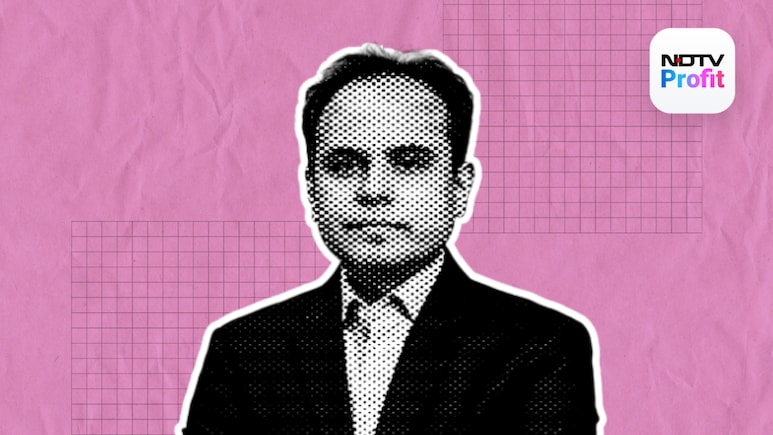
The latest wave of anxiety around artificial intelligence-often dubbed the "SaaSpocalypse"-has been fuelled by rapid advances from companies like Anthropic. Markets have been quick to extrapolate this into an existential threat for SaaS companies and IT services firms alike. According to Srikanth Velamakanni, Whole-time Director and Group Chief Executive Vice-Chairman of Fractal Analytics, that fear is not entirely misplaced.
AI, he said, will inevitably reduce the time required to deliver services-turning 100-hour jobs into 50-hour or even 25-hour engagements. That directly threatens time-and-material billing models that dominate IT services, legal services and consulting.
"There is a real kernel of truth here," Velamakanni noted, adding that staff augmentation and per-hour billing models will face sustained pressure as productivity rises.
Also Read | Layoffs Are Rising In Tech, But These Skills Are Helping People Unlock Better Pay
Why Anthropic Isn't the Whole Story
However, Velamakanni cautioned against reading Anthropic's success as an instant death knell for IT services. Much of what Anthropic showcased relates to unstructured data-text, voice and video — while Indian IT firms primarily manage structured enterprise data, involving deeply complex systems, workflows and stakeholders.
Enterprise transformations, he argued, are far messier than AI demos suggest. "You can't just plug in a tool and transform everything overnight," he said.
Velamakanni believes survival-and growth-will depend on reinvention. AI could ultimately expand demand for technology services, echoing the Jevons Paradox, where falling costs lead to higher overall consumption. But to capture that upside, IT firms must move toward output- and outcome-based pricing, and even subscription models.
Palantir Signals the Real Disruption
That said, Velamakanni pointed to Palantir Technologies as a more telling signal for IT services. Its recent earnings showed how AI can compress even high-complexity projects such as SAP or cloud migrations-core revenue drivers for large Indian IT firms.
The implication is clear — while near-term revenues may hold up, mid- to long-term revenue pools are at risk as machines take on a greater share of enterprise workloads.
Crucially, he said, they will need "permission from the street" to accept lower margins during the transition. The biggest risk, he says, lies not with younger, AI-native talent, but with mid- to senior leadership unwilling to acknowledge the scale of change ahead.
ALSO READ: Super Bowl AI Ad Beef: Anthropic Vs ChatGPT Is The Kendrick Vs Drake For Big Tech
Essential Business Intelligence, Sharp Market Insights, Practical Personal Finance Advice, Daily Fuel, Gold and Silver Prices and Latest Stories — On NDTV Profit.