We May Need Another Tukaram Mundhe To Fight Air Pollution | The Reason Why
Developers may install basic measures such as sprinklers and green nets, resume work, and continue violating rules when this equipment stops working.
A couple of years ago, when I lived in Vikhroli, part of Mumbai, I often visited Powai for fresh air, a jog, or a cup of coffee. We can agree that only a handful of places in Mumbai offered anything close to fresh air.
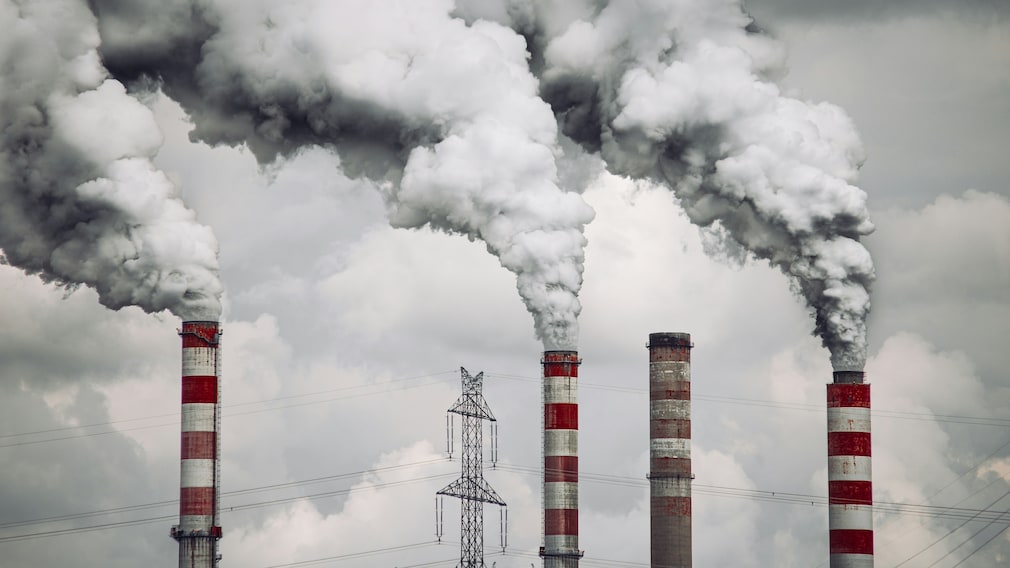
I have moved out of Mumbai, but still visit Powai quite often. And every time I return, I notice something has changed. Yes, new restaurants keep popping up. But the fresh air has disappeared from its menu. You can barely jog without construction dust getting in your mouth.
Like any other frustrated citizen, I found myself hoping that Tukaram Mundhe would take charge of the Maharashtra Pollution Control Board someday. Unfortunately, that seems to be the only hope.
The Rules Are Already There
India has an extensive framework governing construction-related pollution. The Environment (Protection) Rules, 1986, as amended in 2018, require builders to take dust-control measures during construction and demolition. Construction sites are also expected to cover loose soil, sand and debris. They must install water sprinklers and windbreakers. The trucks carrying construction material and waste must be covered too. The rules even prohibit grinding and cutting of building materials in open areas.
The Environment (Construction and Demolition) Waste Management Rules, 2025, came into force on April 1, 2026. They add stricter rules on segregation, storage, transportation and disposal of construction waste.
The Bombay High Court has also issued directions to municipal corporations on construction-related pollution. These measures include metal-sheet barricading, regular water sprinkling, covering construction material and debris, and covered vehicles. It also held municipal commissioners and ward-level officers responsible for ensuring compliance.
The Maharashtra Pollution Control Board (MPCB) has called for enforcement squads to inspect construction sites and document violations. The Bombay High Court had even expressed dissatisfaction with the pace of these inspections, noting that Mumbai's 91 enforcement squads were inspecting, at most, one construction site a day.
The problem extends beyond construction. Industrial pollution matters too. The Air (Prevention and Control of Pollution) Act, 1981, gives MPCB powers to inspect units and issue directions, including closure orders and restrictions on electricity or water supply.
Regulators have enough powers to reduce pollution. But they don't use them.
READ | One El Nino, India Can Handle. Two Could Break The Granary
Pune Shows Some Promise
The Pune Municipal Corporation (PMC) has shown some proactiveness.
In January 2025, PMC ordered construction work to stop at 208 projects for violating dust-control requirements. But what happened after the notices were issued is particularly revealing.
A report by The Bridge Chronicle in February 2025 said that only around 50 projects had applied for permission to resume work. More than 150 had reportedly not submitted compliance reports or sought clearance. The report added that officials have not conducted adequate follow-up inspections.
In March 2025, Pune Pulse reported that only 55 of the 208 projects had complied and received permission to resume construction. Some developers had allegedly restarted work despite the stop-work orders. PMC officials said that they would file complaints with the MPCB against such developers.
PMC repeated these drives in late 2025 and early 2026.
According to The Indian Express, PMC issued stop-work notices to 220 construction projects over two months. Of these, 193 took measures to control pollution. That's encouraging. At least, it shows that developers can take corrective measures when enforcement is strict.
Issuing Notices Isn't Enough
Unfortunately, we rarely know what happens after a notice is issued. Has construction stopped? Has the factory shut down? Or are they still operating? Ward-wise dashboards tracking inspections, violations, penalties and repeat offenders could bring some transparency. But that's a tall ask.
The compliance system faces deeper problems. Many officials hesitate to act against developers, especially those with political connections. Even when they do, action often stops at issuing notices.
Developers may install basic measures such as sprinklers and green nets, resume work, and continue violating rules when this equipment stops working.
I haven't seen many big actions, such as cancelling licences or shutting down establishments, like the ones Mundhe took against restaurants. It seems we need officials willing to take such action, especially at times like these. Otherwise, businesses will never take food adulteration or air pollution seriously.
Having said that, I am reminded of an article I wrote a couple of months ago on why we shouldn't depend on one person to enforce compliance. In Tukaram Mundhe Is Not The Problem. Our Love For Heroes Is, I argued that we cannot keep depending on a few honest and proactive officers to make the system work. We need institutions that enforce rules regardless of who is in charge. Otherwise, every time an officer moves on, we are back to square one.
But right now, unfortunately, we need an officer who says no to pollution. Anybody there?
READ | Extracting Value From Battery Scrap Could Be Challenging For India | The Reason Why
-
Extracting Value From Battery Scrap Could Be Challenging For India | The Reason Why

A discarded lithium-ion battery still contains valuable materials such as lithium, nickel and cobalt. These can be recovered and reused. When such batteries are crushed and shredded, they produce a dark powder called black mass.
-
One El Nino, India Can Handle. Two Could Break The Granary
India's grain stocks can absorb one bad year, but a second El Nino could drain the buffer in two to three years, economists say.
-
India's Troika Of Good Luck | Joining The Dots
As Jensen Huang's exit drags Nvidia down, a cooling AI trade and resilient earnings have revived investor interest in India. A likely RBI rate hike looms.
-
Talking Points This Week: Leadership Shock At Nvidia, Earnings Strength, And The Fog Over Hormuz
The Anthropic IPO pricing and first trading day, Nvidia's upcoming earnings, and any fresh signals from Iran will set the tone for the following week.
-
Signature Play: The Classic Cocktail Is Dead. Or Is It?
Classic cocktails are disappearing from India's cocktail menus. But they're still being ordered, taught to bartenders and borrowed from. So, who's really having the last drink?
-
A New Samvat Wishlist: Inclusive Prosperity And Human Development
India has strengthened its economic foundations through infrastructure, digital access and enterprise. Its next growth chapter must deepen productivity, create better livelihoods and widen participation in prosperity.
-
Love, Sex Aur Dhokha: The Audacious Plot To Spy On Jensen Huang
A Taipei dinner, a Singapore chip buyer and a suspected Chinese asset: inside the alleged spy operation that got close to NVIDIA's Jensen Huang.
-
Ten Things I Learnt This Samvat
Patience can be a trap. Cheap stocks can stay cheap. Leverage can wipe you out. What did Samvat 2082 teach us? Niraj Shah writes on 10 lessons from the year gone by.
-
Talking Points This Week: Tech Nerves, FII Buying, And A Faraway Banking Shock
The global markets are not shining this Diwali. The exception in the large markets is, India.
-
Midterm Rally Lasted A Day. The Hard Reality Of A Divided US May Last Two Years | Opinion
Between a contested AI boom, a debt ceiling that arrives in 2027 and a president with every incentive to act alone, the next two years may prove more volatile than the first day's rally suggests.









