Misleading Ads Case: IMA President's Apology Falls Short, Supreme Court Voices Discontent
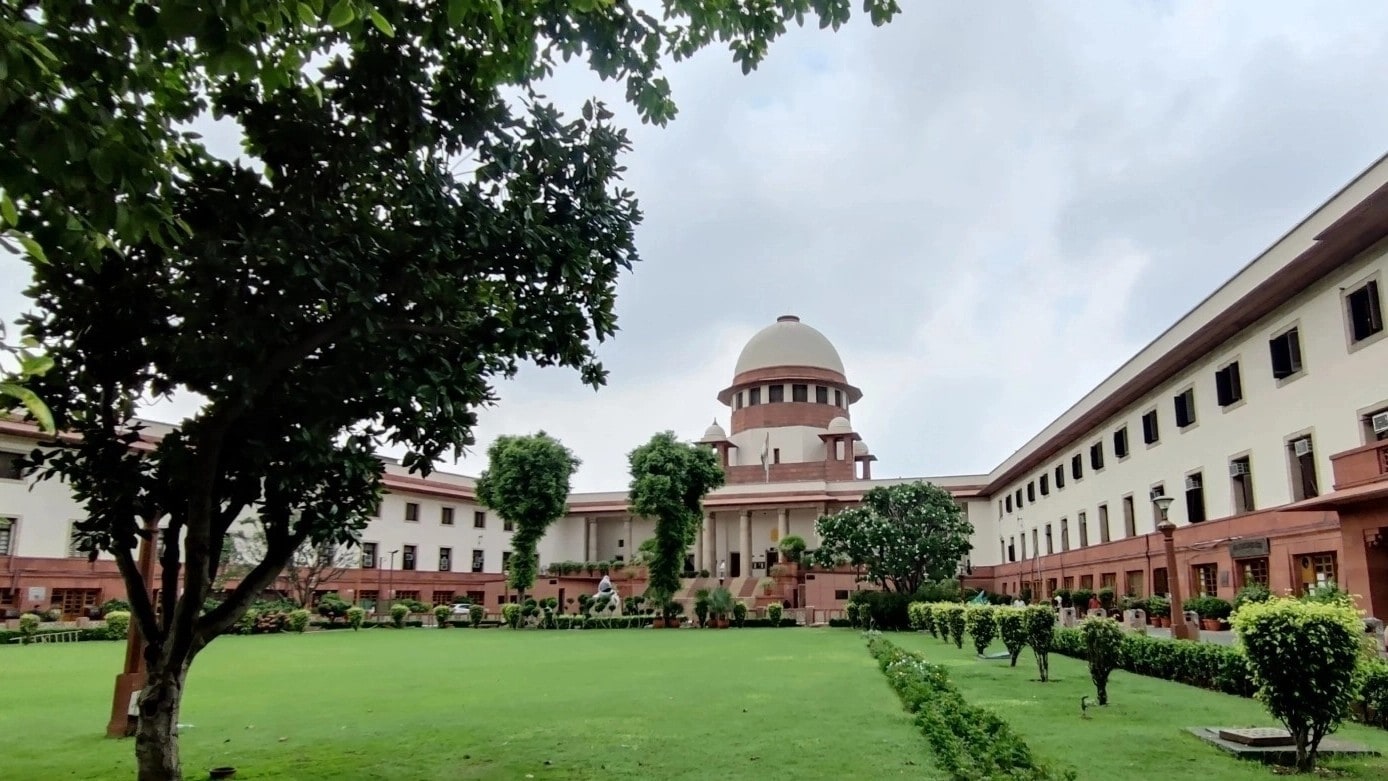
The Supreme Court on Tuesday expressed dissatisfaction at the apology tendered by the Indian Medical Association's president, Dr. RV Asokan, for his remarks made against the court in the misleading ads case.
In April, Asokan, in an interview with PTI, had remarked that it was "unfortunate" that the top court was criticising the IMA, as well as some of the practices of private doctors.
His comments came after the court had called out the IMA, saying that the association should put its house in order because there have been several complaints against it for unethical practices.
This apex court took a strong exception to his comments and directed him to issue a public apology. As per the court's direction, Asokan, in an interview with PTI in July, apologised for his remarks. The top court was informed that his unconditional apology was published in the association's monthly publication, on the IMA's website, and also by PTI.
In the hearing on Tuesday, the court said that Asokan cannot absolve himself by simply publishing his apology in PTI. "You will have to publish the apology in all those newspapers in which that interview was published," the court said while referring to his interview from April.
Asokan was inviting more trouble for himself by not getting the apology published in all those newspapers that carried the April interview, the court said.
Asokan's apology should be published appropriately so as to purge himself of his contemptuous remarks, it said. It ordered him to pay for the publication with his own funds.
The court will reconsider Asokan's apology on the next date of hearing in September.
The case began in November last year, when the apex court issued a stern warning to Ramdev and his multinational conglomerate for downplaying the effects of modern medicine.
Some of Patanjali's commercials claimed its medicines could cure a number of illnesses, while simultaneously disparaging modern medicine.
The court had said that it would issue a hefty penalty for all those misleading advertisements that promise to cure diseases such as asthma, obesity, and the like.
At the time, Patanjali told the court that it would make sure that going forward, no casual statements claiming medicinal efficacy against any system of medicine would be released to the media in any form.
However, a day after the court's stern remarks, Patanjali came out with a media statement saying that it was not making any "false advertisements or propaganda" regarding its products and that it would not object if the top court were to impose a fine or "even give us a death sentence" if found making misleading claims.
This prompted the apex court to come down on Baba Ramdev and his conglomerate with all guns blazing for openly flouting court orders.
The entire fiasco has also led the court to reprimand the Union government and various other authorities for their inaction on the wider issue of misleading advertisements for drugs and medicines.

-
Why Swapping Your Old Gold Can Trigger A Rs 5 Lakh Tax Bill, And How You Can Avoid It Legally

Swapping old gold for new is taxed as a sale and a fresh purchase. Getting your own gold remade can cut most of that bill, though it has its own costs.
-
The AI Trade is Done. The Real Opportunity for Investors Starts in 2027 | Unhedged Position
As pureplay AI stocks plunge and circular, capex-led financing unwinds, 2027 is set to be a year of reckoning for AI companies. Yet the bust clears the way for a better opportunity for investors in 2027 -- shifting the spotlight from AI builders to the companies using AI.
-
Leadership As Mission: Why The Age Of AI Demands More Human Leadership
Debjani Ghosh examines how AI is changing leadership, arguing that its success must be measured by its impact on people and the accountability of those guiding its use.
-
We May Need Another Tukaram Mundhe To Fight Air Pollution | The Reason Why
Developers may install basic measures such as sprinklers and green nets, resume work, and continue violating rules when this equipment stops working.
-
Extracting Value From Battery Scrap Could Be Challenging For India | The Reason Why
A discarded lithium-ion battery still contains valuable materials such as lithium, nickel and cobalt. These can be recovered and reused. When such batteries are crushed and shredded, they produce a dark powder called black mass.
-
One El Nino, India Can Handle. Two Could Break The Granary
India's grain stocks can absorb one bad year, but a second El Nino could drain the buffer in two to three years, economists say.
-
India's Troika Of Good Luck | Joining The Dots
As Jensen Huang's exit drags Nvidia down, a cooling AI trade and resilient earnings have revived investor interest in India. A likely RBI rate hike looms.
-
Talking Points This Week: Leadership Shock At Nvidia, Earnings Strength, And The Fog Over Hormuz
The Anthropic IPO pricing and first trading day, Nvidia's upcoming earnings, and any fresh signals from Iran will set the tone for the following week.
-
Signature Play: The Classic Cocktail Is Dead. Or Is It?
Classic cocktails are disappearing from India's cocktail menus. But they're still being ordered, taught to bartenders and borrowed from. So, who's really having the last drink?
-
A New Samvat Wishlist: Inclusive Prosperity And Human Development
India has strengthened its economic foundations through infrastructure, digital access and enterprise. Its next growth chapter must deepen productivity, create better livelihoods and widen participation in prosperity.









