The Trump administration's steel, aluminium and auto tariffs -- which continue to pinch Indian exporters -- is unlikely to be addressed in the first tranche of the India-US bilateral trade agreement, according to Commerce Ministry sources.
The negotiations concerning the 25% steel, aluminium, auto and auto components are not a part of negotiations currently and will not be addressed in the early harvest deal that is slated for completion by this October, according to sources.
The US and President Trump are very firm on the tariffs and it's unlikely that there will be a rollback for India soon, they said.
This would mean prolonged period of high tariffs and no relief for Indian steel, aluminium, auto parts exporters. However, the first tranche or the mini deal remains on track for October deadline despite these unresolved tariff issues.
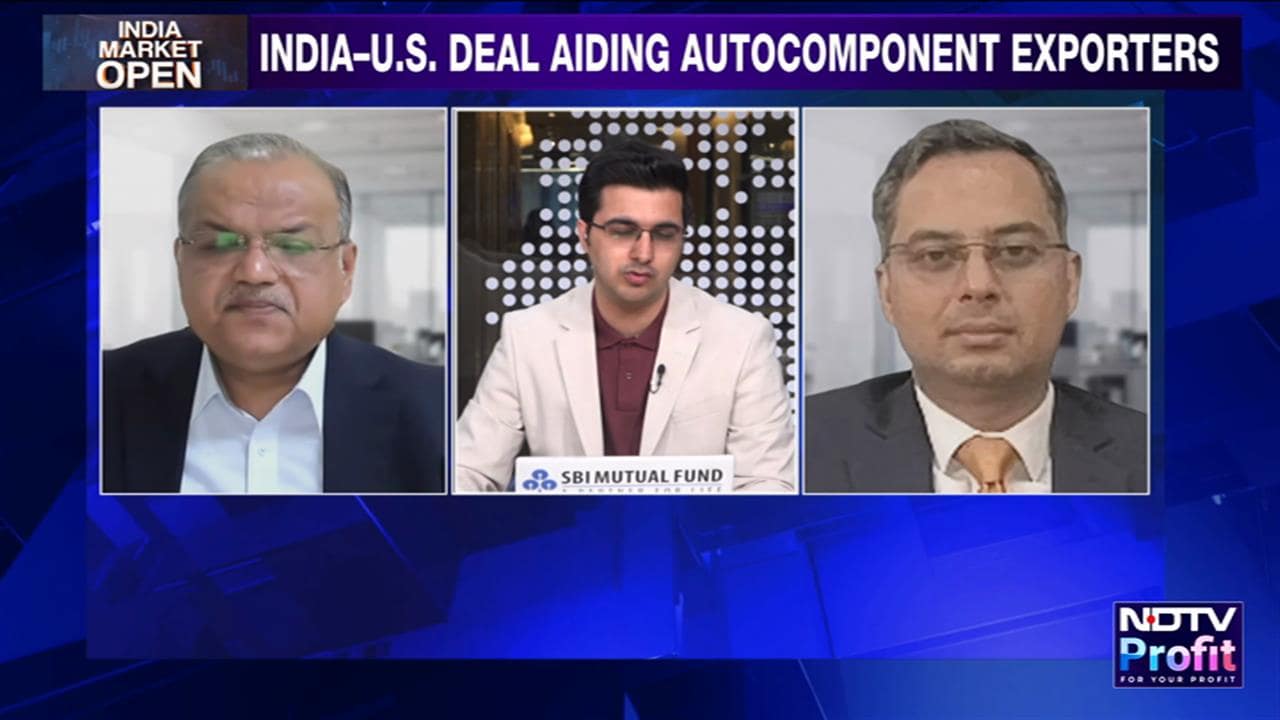
The US continues to impose 25% duty on Indian steel, aluminium, autos & parts—even as reciprocal tariffs of 26% on India remain paused at least till July-end.
Exporters' Key Demands From US BTA Talks
Separately, exporters are also worried about not being able to take advantage of the tariff differentials with respect to China, since the value addition threshold as part of the rules of origin finalised under terms of reference is said to be too high.
Indian manufacturers and exporters are being contacted by Chinese firms to fulfil orders to send to the US; however, clarity with regard to the rules of origin is needed before exporters can benefit from this. This is especially important given that Commerce Minister Piyush Goyal has asked for commitment from exporters that India will not be used as a conduit for rerouting shipments meant from the US.
The solution to not being a conduit is to perform some sort of value addition in India and then ship those items to the US, but the value addition norms, at about 60%, is at the level envisaged in the USMCA (United States-Mexico-Canada Agreement). This is something Indian exporters cannot afford to do, and hence their demand is to ease rules to about 30-35% value addition, which is in accordance with other FTAs that India has.
Essential Business Intelligence, Continuous LIVE TV, Sharp Market Insights, Practical Personal Finance Advice and Latest Stories — On NDTV Profit.