- RBI is expected to keep policy repo rate unchanged at 5.25% in February meeting
- Inflation may rise to 3%-4% but remain within RBI's tolerance band
- India's economy projected to grow 6.8%-7.2% in FY27, supported by domestic demand
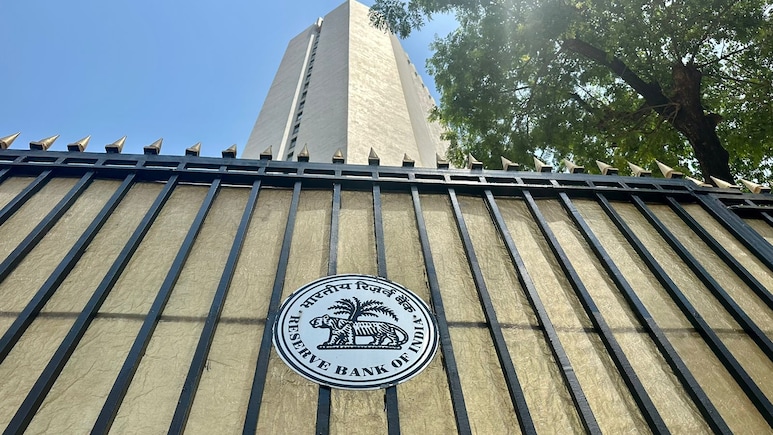
The Reserve Bank of India is expected to keep its policy repo rate unchanged at 5.25% at its February monetary policy decision on Friday, as economists say inflation is set to firm from recent lows even as growth remains resilient and the transmission of earlier rate cuts continues to lag.
With inflation expected to firm but remain within the tolerance band, growth holding up and the effects of earlier easing still playing out, economists widely expect the RBI to maintain a wait-and-watch stance at its February meeting, keeping future moves contingent on incoming data. Thirty-four of 39 economists tracked by Bloomberg expect the Monetary Policy Committee to leave rates unchanged, while the remaining five forecast a 25-basis-point cut, according to the latest survey.
The MPC meeting, which began on Wednesday, was days after the Union Budget and after India signed a trade agreement with the United States on Monday, under which Washington reduced tariffs on Indian goods to 18% from 25%, with certain products set to face zero tariffs. Economists say the deal could help stabilise capital flows and ease pressure on the rupee, reducing one of the external risks flagged by policymakers in recent months.
Also Read | Layoffs Are Rising In Tech, But These Skills Are Helping People Unlock Better Pay
Inflation Firms Gradually
Inflation remains well within the RBI's tolerance band, but economists expect price pressures to edge higher over the coming months as favourable base effects fade.
Headline consumer inflation has averaged about 1.7% so far this financial year, driven largely by lower food prices. Forecasts point to inflation rising toward 3%–4% in the coming quarters, still within the central bank's 2%–6% band, even as underlying pressures remain contained. In its December policy, the RBI projected inflation at 2.0% for Q3 FY26 and 2.9% for Q4 FY26, rising to 3.9% in Q1 FY27—a steeper path than its October projection, when it had expected inflation to remain softer for longer.
Barclays said inflation optics are likely to turn less benign from recent troughs. “Inflation is set to firm as base effects unwind, but should remain aligned with the RBI's target, reducing the urgency for immediate further easing,” the bank said in a note.
Policymakers have repeatedly cautioned that food-led disinflation can be volatile, underscoring the need to assess whether inflation remains durably anchored before adjusting policy further.
Growth Holds Up
Growth conditions continue to support a pause, economists said, even as momentum across sectors remains uneven.
In its December policy, the RBI projected real GDP growth of 7.3% for FY26, slightly lower than earlier expectations for the second half of the year, while maintaining that domestic demand remains the key growth driver. For the second half of FY26, the central bank trimmed its growth outlook marginally from the October policy, citing global trade uncertainty and external headwinds.
India's economy is estimated to have grown 7.4% in FY26, with official projections pointing to growth of 6.8%–7.2% in FY27, supported primarily by domestic demand, according to the latest Economic Survey. Consumption and investment have posted steady gains so far this fiscal, cushioning activity amid global uncertainty.
Nomura said resilient headline growth gives the RBI room to remain patient. “With growth holding up and inflation expected to rise from recent lows, the bar for further easing has moved higher,” the brokerage said, adding that policy focus is likely to remain on the transmission of earlier actions.
Transmission Still Lags
Despite a cumulative 125-basis-point reduction in the repo rate since February 2025, economists say monetary transmission remains incomplete, limiting the effectiveness of additional rate cuts.
The RBI has already injected durable liquidity through a cash reserve ratio cut of about Rs 2.5 lakh crore, open market bond purchases of Rs 6.95 lakh crore and a foreign-exchange swap of roughly $25 billion. Even so, money-market rates, corporate bond spreads and wholesale deposit costs have remained elevated.
Madhavi Arora of Emkay Global said the central bank is likely to pause as weak transmission remains the binding constraint. “The easing cycle has been deep, but the pass-through to bond yields and credit markets has been limited, keeping financial conditions restrictive,” she said. Nuvama said system liquidity should improve over coming months as government cash balances and FX-related drains normalise, “reducing the need for further RBI liquidity infusion.”
ALSO READ: RBI Likely To Keep Repo Rate Unchanged, Maintain Neutral Stance: Nuvama Research
Essential Business Intelligence, Sharp Market Insights, Practical Personal Finance Advice, Daily Fuel, Gold and Silver Prices and Latest Stories — On NDTV Profit.