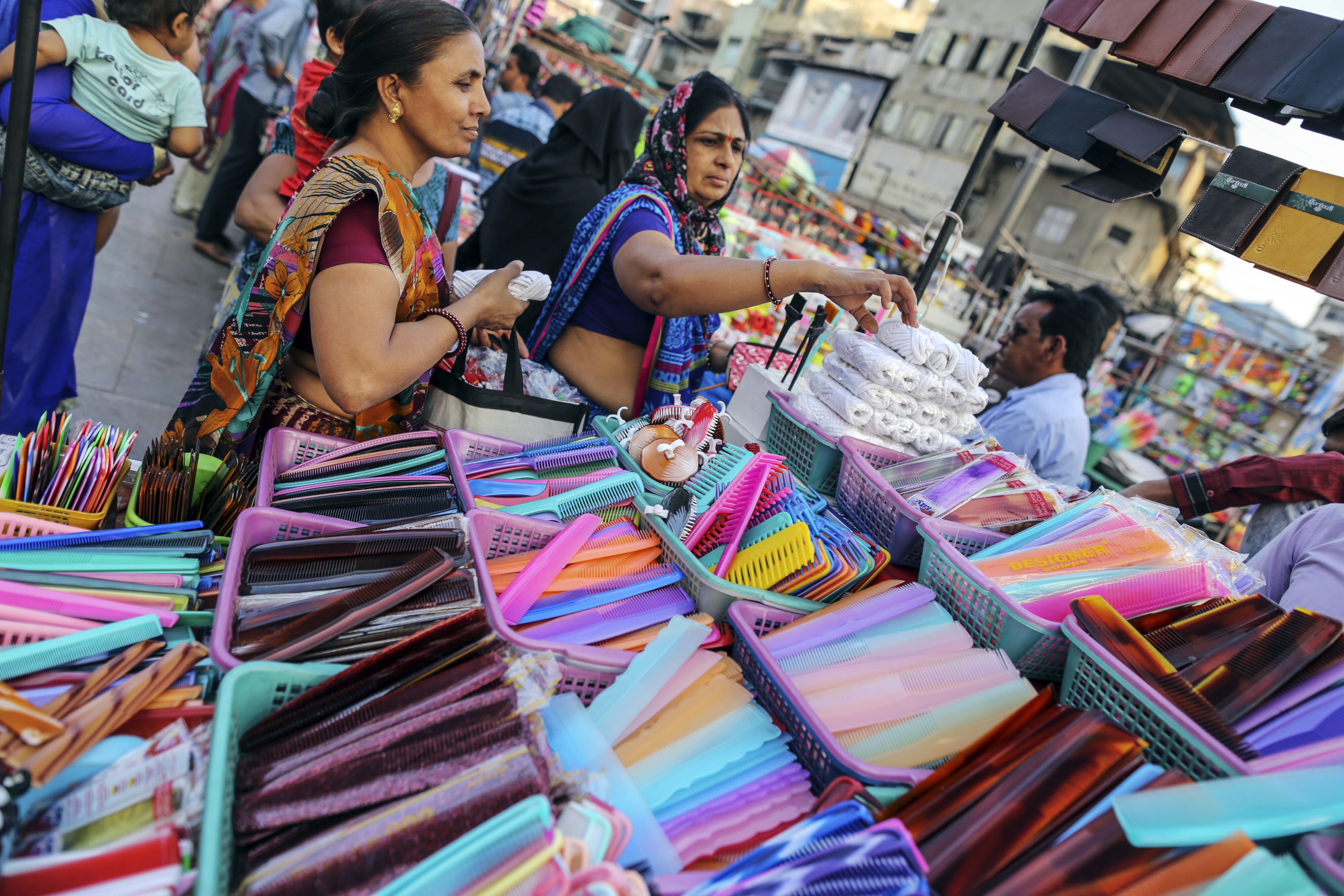
The plastics industry's apex body Plastindia Foundation on Thursday said there is a need to remove anomalies in the prescribed taxation under the Goods and Services Tax (GST) on various day-to-day plastic products.
“While we welcome GST, we urge the government to remove the anomalies in prescribed GST on various plastics items of day to day use and common man's use,”K K Seksaria, President of Plastindia Foundation.
Plastics industry in recent past has been growing at an annual average growth of more than 10 per cent and is contributing significantly to the GDP growth, he said in a statement, adding that the industry exported plastics worth $7.9 billion in financial year 2016-17.
“We feel the SMEs (small and medium enterprises) are likely to be impacted the most. Out of about more than 50,000 plastics units, over 95 percent are in medium and small scale industries,” he said.
As per decision of GST Council, items of day-to-day use were supposed to attract merit GST rate of 5 percent or lower standard GST rate of 12 percent.
Some of the items were supposed to be under higher standard GST rate of 18 percent. Only luxury goods were supposed to attract 28 percent GST rate.
“However, some of the plastics products have been kept below 12 percent tax bracket, while a large number of plastics items have been placed in 18 per cent tax brackets while some are even being placed at highest tax bracket of 28 percent.
“We feel this increase will not only hit SMEs but also hurt the poor and middle class and lead to increase in prices of plastics products used by them,” he said.
Plastindia said items like plastics furniture, tarpaulin woven and non-woven raffia fabric, plastics for office and school supplies, PVC floorings, PE interlocking mats, vacuum flasks and other misc articles of plastics not mentioned elsewhere, which are mainly used by common man have been kept under highest GST tax bracket of 28 percent.
Plastics furniture, though light weight and low in cost but a voluminous article incurring huge transportation, storage and distribution costs, the cascading effect under GST rate of 28 percent will be very prohibitive.
“Further, under present indirect tax regime, the Central Excise is to be paid only up to manufacturing stage but under GST tax regime the CGST impact will be right up to the end consumer,” Seksaria added.
Essential Business Intelligence, Sharp Market Insights, Practical Personal Finance Advice, Daily Fuel, Gold and Silver Prices and Latest Stories — On NDTV Profit.