The Lok Sabha on Wednesday passed the Finance Bill 2026, along with 32 government amendments, completing its part of the Budgetary approval process. The bill was approved via a voice vote. The Rajya Sabha will now consider the Bill.
The Union Budget 2026-27 tabled on Feb. 1 by Finance Minister Nirmala Sitharaman envisages a total expenditure of Rs 53.47 lakh crore, an increase of 7.7% over the current fiscal ending March 31.
The total capital expenditure proposed for the next fiscal is Rs 12.2 lakh crore. It proposes a gross tax revenue collection of Rs 44.04 lakh crore and a gross borrowing of Rs 17.2 lakh crore.
The fiscal deficit for FY27 is projected at 4.3% of GDP, lower than 4.4% in the current fiscal.
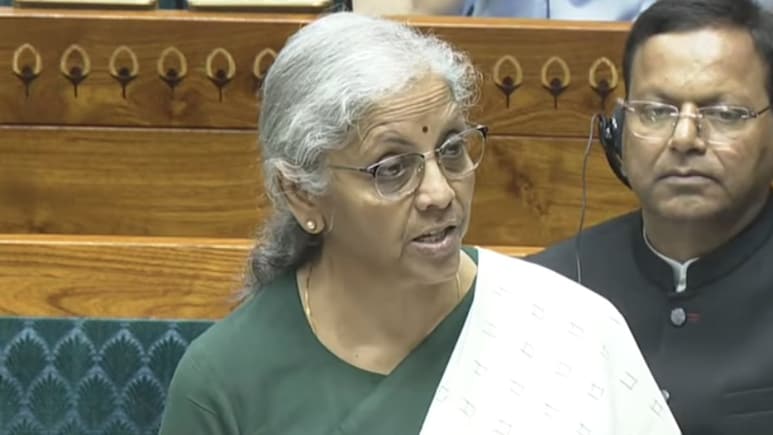
During the debate in the Lok Sabha, Sitharaman countered criticism saying the Finance Bill has significant provisions for the middle class, rejecting claims that it only benefits big businesses.
Finance Minister @nsitharaman counters criticism in Lok Sabha, saying the Finance Bill has significant provisions for the middle class, rejecting claims that it only benefits big businesses.#Budget2026 #LokSabha #MiddleClass #FinanceBill @nsitharamanoffc @FinMinIndia pic.twitter.com/zHCpjTsN5t
— SansadTV (@sansad_tv) March 25, 2026
The Finance Bill 2026 proposes two retrospective amendments to restore tax proceedings that courts had earlier struck down on procedural grounds, according to sources privy to the amendments proposed in finance bill. The changes seek to allow tax authorities to reopen such cases and validate past actions that were invalidated due to technical defects.
The proposal marks a shift in how the government addresses judicial setbacks in tax matters, with a focus on limiting relief granted on procedural lapses and reinforcing enforcement, the sources told NDTV Profit.
The amendments aim to empower tax authorities to reopen cases that were quashed on technical grounds, the sources quoted above said, adding that the government also seeks to override judicial decisions where proceedings were set aside due to procedural issues. These include cases where courts cited a “lack of application of mind” while cancelling tax orders, according to sources.
ALSO READ: New Bill Proposes Retrospective Changes Revive Tax Cases Set Aside By Courts
Essential Business Intelligence, Continuous LIVE TV, Sharp Market Insights, Practical Personal Finance Advice and Latest Stories — On NDTV Profit.