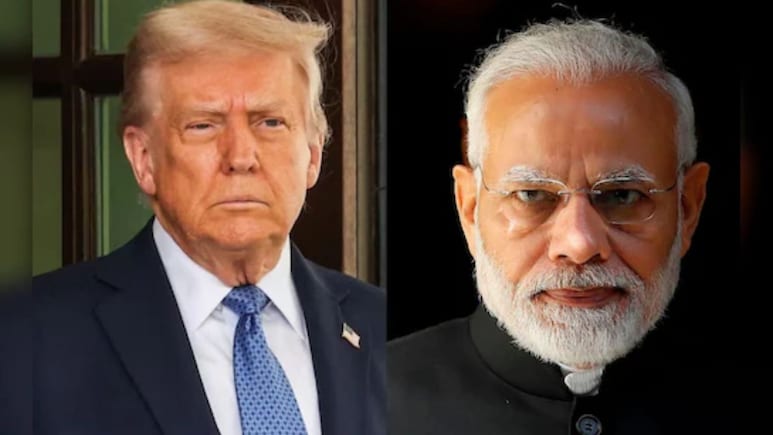
The India-US trade deal that was announced earlier this week has been completely ratified and officiated by the White House, which has now released the fine print of the deal that would see the United States make a series of commitments, including the headline decision to reduce tariffs to 18% to key Indian sectors, including textiles.
Moreover, a key incentive in the deal has seen the US pledging to remove these reciprocal tariffs on high-value Indian exports such as generic pharmaceutical products, gems, and diamonds.
NDTV Profit takes you through some of the key committments made by the United States as part of this significant trade deal.
Also Read | Layoffs Are Rising In Tech, But These Skills Are Helping People Unlock Better Pay
Reciprocal Tariffs and Relief
As mentioned, the major offering from the US side will see the nation charge a tariff rate of just 18% on a variety of Indian-originating goods, including textiles, apparel, leather, footwear and organic chemicals. This forms part of the Executive Order 14257, pertaining to targeting trade practices contributing to persistent goods trade deficits.
However, a free carrot offered by the US in this significant trade deal includes the removal of these 18% recriprocal tariffs on sectors such as Generic pharmaceuticals and pharmaceutical ingredients, Gems and diamonds and aircraft parts.
National Security Adjustments
Apart from textiles and apparel, two more sectors set to benefit from the India-US Trade Deal will be the Indian aerospace and automotive sectors, with the US expected to roll several Section 232 tariffs, which were originally imposed on national security grounds, on certain Indian products.
For one, the US will remove tariffs on Indian aircraft and aircraft parts that were flagged under 2018 proclamations regarding steel and aluminium, as well as a 2025 proclamation regarding copper. In addition, India will receive a "preferential tariff rate quota" for automotive parts, easing the burden of duties established in 2019.
Supply Chains and High-Tech Trade
Apart from reducing duties and tariffs, the United States has managed to seal a commitment from New Delhi to purchase $500 billion in American products over the next five years, which could significantly drive exports of energy products, coking coal and commercial aircraft.
A key pillar of the deal involves high-end technology, with the two nations agreeing to significantly increase trade in Graphics Processing Units (GPUs) and other hardware critical for data centres. This is coupled with a new 'economic security alignment' intended to counter the 'non-market policies' of third parties.
Future Negotiations
Washington and New Delhi have also committed to aligning their export controls and investment review processes. On the digital front, the U.S. secured a commitment to address "discriminatory or burdensome practices" that have historically hindered American tech firms operating in India.
This framework emphasises that these measures are intended to ensure trade benefits accrue predominantly to the partners. What is important, however, is that US officials stated during the next phase of BTA negotiations that the nation intends to consider further requests from India to lower tariffs on Indian goods as the partnership matures.
Essential Business Intelligence, Sharp Market Insights, Practical Personal Finance Advice, Daily Fuel, Gold and Silver Prices and Latest Stories — On NDTV Profit.