India's Forex Reserves Decline To $651.9 Billion
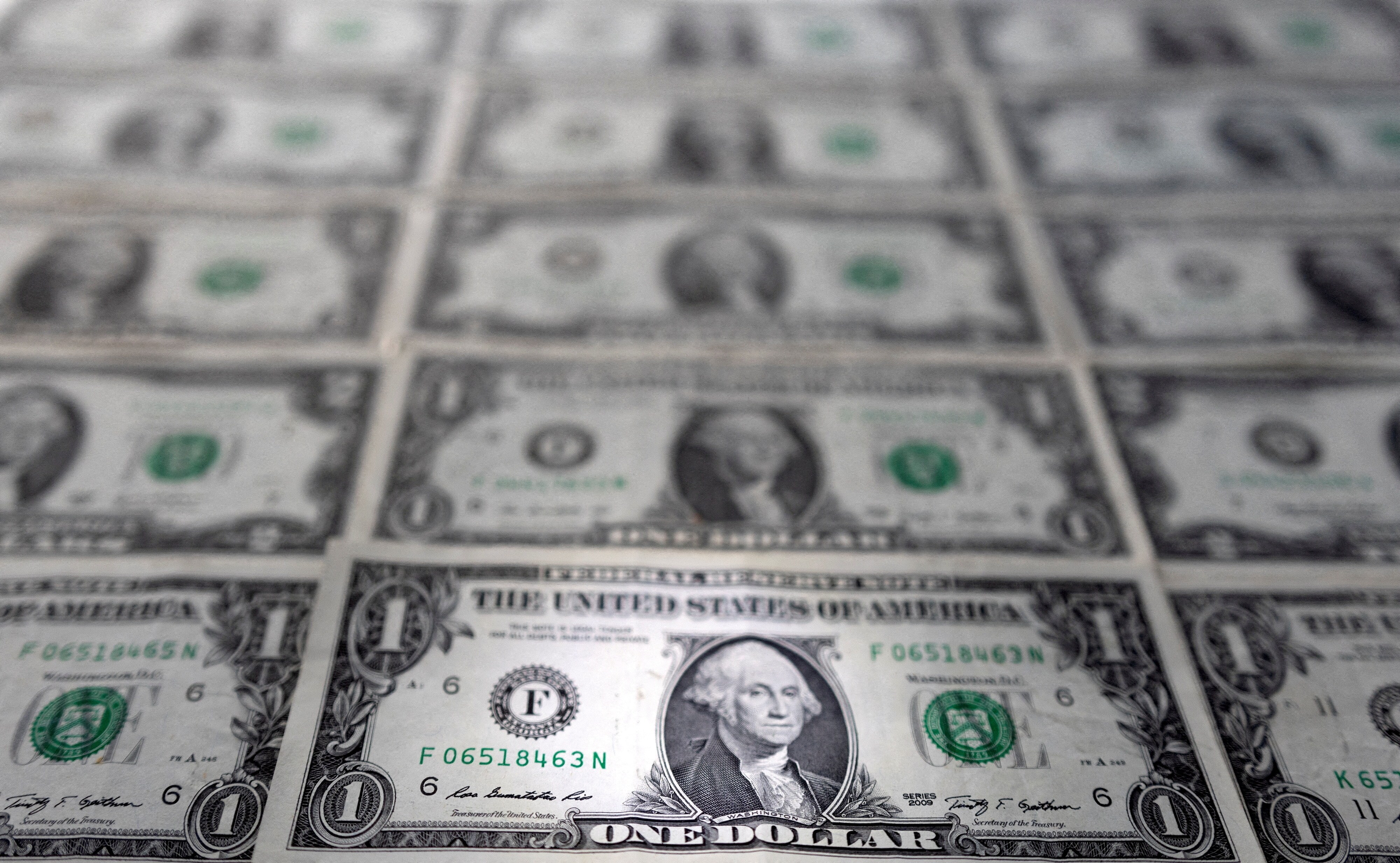
India's foreign exchange reserves fell to $651.9 billion for the week-ended June 28, the Reserve Bank of India data showed on Friday. The forex kitty fell by $1.71 billion over the previous reporting week.
The decline in forex reserve comes as the RBI reportedly intervened in the domestic currency market, amid pressure on the rupee, by selling dollars from its reserves. The local currency weakened by 0.3% in June.
The forex stock had recovered after hitting a low of $524.5 billion in October 2022, as the central bank replenished its kitty amid solid overseas inflows.
Foreign investors have pumped in Rs 1.03 lakh crore into the country's debt and equity markets so far this year, according to data from the National Securities Depository Ltd. The capital flow has largely gone into the domestic debt market, while equities has seen tepid inflows.
For the week-ended June 28, foreign currency assets—a major component of the reserves—declined by $1.2 billion to $572.8 billion, RBI data showed.
In dollar terms, foreign currency assets include the effect of the appreciation or depreciation of non-US units like the euro, pound and yen held in foreign exchange reserves.
Gold reserves decreased by $427 million to $56.5 billion during the week.
Last month, RBI Governor Shaktikanta Das said that the central bank is focused on building robust buffers of foreign currency reserves through its intervention in the dollar-rupee currency market.
"It's our prime focus to build up a strong umbrella in the form of substantial quantum of forex reserves, which will help us when the cycle turns or when it rains heavily," Das said.

-
Talking Points This Week: Tech Nerves, FII Buying, And A Faraway Banking Shock

The global markets are not shining this Diwali. The exception in the large markets is, India.
-
Midterm Rally Lasted A Day. The Hard Reality Of A Divided US May Last Two Years | Opinion
Between a contested AI boom, a debt ceiling that arrives in 2027 and a president with every incentive to act alone, the next two years may prove more volatile than the first day's rally suggests.
-
Blue Wave Will Derail the AI Trade but Won't Dismantle the AI Era | Unhedged Position
The Democrats' sweep of the US Congress will see politics collide with economic forces both over the long and short term.
-
It's Time To Take The GST Council's Bet On Trust Global
Payment records can prove India's services exports, and clear, proportionate rules can bring foreign digital sellers into the tax net.
-
Opinion | India at 38: From Innovation Overperformer to Innovation Powerhouse
India now has 453 VC-backed deep science startups, 18 of them late-stage, after 117 percent growth since 2020. Laurus Labs, at USD 9.3 billion, is the most valuable deep science company in any middle-income economy outside China.
-
Navigating Energy Crossroads: S Jaishankar's Call For Diversified Supply Chains At G20 Ministerial Meeting
As geopolitical fault lines continue to test maritime trade routes and commodity flows, Jaishankar's message remains pertinent: true economic resilience requires open markets, protected transit lines, and a genuine commitment to multilateral cooperation rather than coercion.
-
Indians Are Travelling, But Not Every Journey Is A Holiday | The Week In Whys
Pilgrims, patients and working women are the real travellers, and the system hasn't quite caught up with them.
-
Getting To Work Costs Women More | The Reason Why
It is not just about women paying more than men. It is about women paying much more in cities than in villages.
-
AI Bias In Investing Cannot Be Eliminated, But It Can Be Governed
Framing is a particularly important example as identical financial information presented in terms of gains rather than losses can lead an LLM to reach a different assessment.









