High Gold Prices Take The Shine Off India's Imports In March
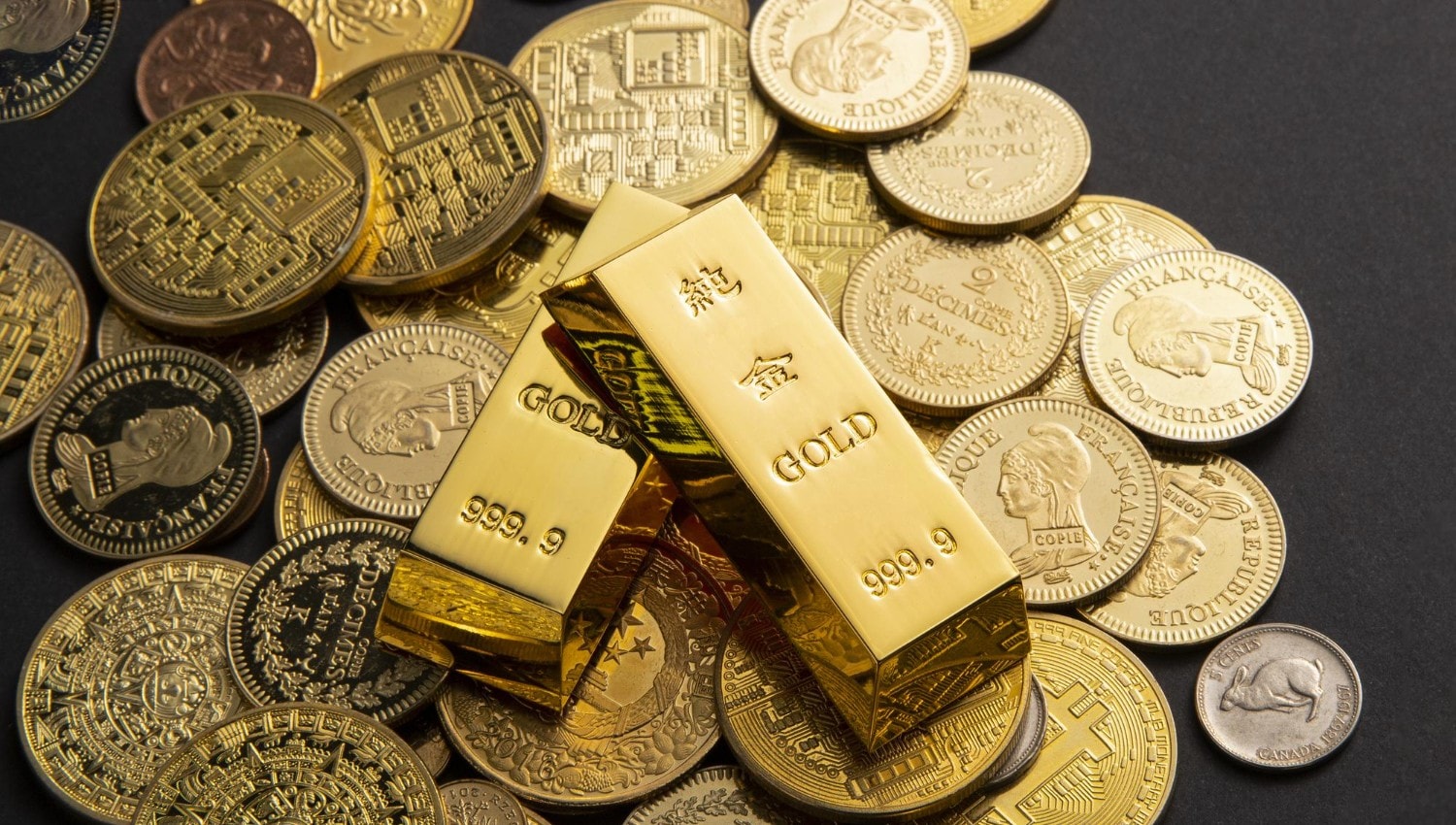
India saw its trade deficit ease to an 11-month low in March at $15.6 billion — a figure that some analysts perceive was led by falling inbound gold shipments that lost their import shine as prices hit record highs.
Gold imports as of March 2024, came in at $1.53 billion, slashed by more-than-half from its levels of $3.3 billion in the corresponding period last year.
The lower deficit was led by a sequential fall in inbound shipments with gold imports collapsing even as exports rose marginally, according to Madhavi Arora, the lead economist at Emkay Global Financial Services. "Gold imports collapsed sharply during the month, likely due to significantly lower volumes as gold prices hit record highs," she said in a note.
However, gold imports rose to $45.54 billion in the last financial year from $35.01 billion in fiscal 2023 as prices and volumes remained higher on average.
What's Keeping Gold Prices High?
With rising geopolitical risks, the global appetite for gold as a commodity has also seen a rise through the year, pushing up prices. However, this could just as well serve as a deterrent in a price-sensitive market like India.
Explaining the global trend, a recent HSBC report said prolonged geopolitical risks and trade frictions could sustain gold at higher levels than what would otherwise be the case. "The rise in geopolitical risks serves to increase the safe-haven demand for gold, which has a reputation as a tried and trusted asset in this regard," it said.
However, India is expected to see lower imports precisely due to higher prices. The World Gold Council said that recently, India has been annually importing around 700–800 tonnes of gold in a year.
Conventionally, higher gold prices led more people to encash their stock, but that has not been the case this time. Perhaps, this will be the first thing to change.
"Going forward this year, we do expect the recycling to increase further and imports to be in the lower range of 700–800 tonnes, mainly due to record high prices," the WGC said.
The Lok Sabha election is also expected to impact the domestic consumption of the precious metal, according to the international trade body. It observed that gold consumption has fallen during the last three out of four general-election periods, with a decline in demand for jewellery, bar and coin due to the heightened scrutiny on the movement of cash, gold and jewellery. Industry stakeholders like bullion dealers, manufacturers and jewellers also tend to limit their transactions during the time.
What Of Jewellery Demand?
The HSBC report said that the current and the next fiscals would see a damp gold-jewellery demand due to high prices. Jewellery is said to comprise over 70% of Indian consumer demand.
A majority of the volatility in jewellery prices comes from India's price sensitivity to gold. With the lingering impact of inflation and high prices, the reasons for a dull gold-jewellery demand ahead stack up.
"In India, around one billion people spend around one trillion (Rs 1 lakh crore) annually on the imports of gold. This is generally more than one-fifth of global mine output. Unlike China, a sizable portion of demand comes from the bottom half of income earners," it said.
The report also underscored that high prices are expected to dull jewellery demand in high-income countries due to economic uncertainties restraining demand for luxury good, keeping overall global jewellery demand low.

-
We May Need Another Tukaram Mundhe To Fight Air Pollution | The Reason Why

Developers may install basic measures such as sprinklers and green nets, resume work, and continue violating rules when this equipment stops working.
-
Extracting Value From Battery Scrap Could Be Challenging For India | The Reason Why
A discarded lithium-ion battery still contains valuable materials such as lithium, nickel and cobalt. These can be recovered and reused. When such batteries are crushed and shredded, they produce a dark powder called black mass.
-
One El Nino, India Can Handle. Two Could Break The Granary
India's grain stocks can absorb one bad year, but a second El Nino could drain the buffer in two to three years, economists say.
-
India's Troika Of Good Luck | Joining The Dots
As Jensen Huang's exit drags Nvidia down, a cooling AI trade and resilient earnings have revived investor interest in India. A likely RBI rate hike looms.
-
Talking Points This Week: Leadership Shock At Nvidia, Earnings Strength, And The Fog Over Hormuz
The Anthropic IPO pricing and first trading day, Nvidia's upcoming earnings, and any fresh signals from Iran will set the tone for the following week.
-
Signature Play: The Classic Cocktail Is Dead. Or Is It?
Classic cocktails are disappearing from India's cocktail menus. But they're still being ordered, taught to bartenders and borrowed from. So, who's really having the last drink?
-
A New Samvat Wishlist: Inclusive Prosperity And Human Development
India has strengthened its economic foundations through infrastructure, digital access and enterprise. Its next growth chapter must deepen productivity, create better livelihoods and widen participation in prosperity.
-
Love, Sex Aur Dhokha: The Audacious Plot To Spy On Jensen Huang
A Taipei dinner, a Singapore chip buyer and a suspected Chinese asset: inside the alleged spy operation that got close to NVIDIA's Jensen Huang.
-
Ten Things I Learnt This Samvat
Patience can be a trap. Cheap stocks can stay cheap. Leverage can wipe you out. What did Samvat 2082 teach us? Niraj Shah writes on 10 lessons from the year gone by.
-
Talking Points This Week: Tech Nerves, FII Buying, And A Faraway Banking Shock
The global markets are not shining this Diwali. The exception in the large markets is, India.









