Zee Entertainment Shareholders Approve Rs 2,000 Crore Fundraise
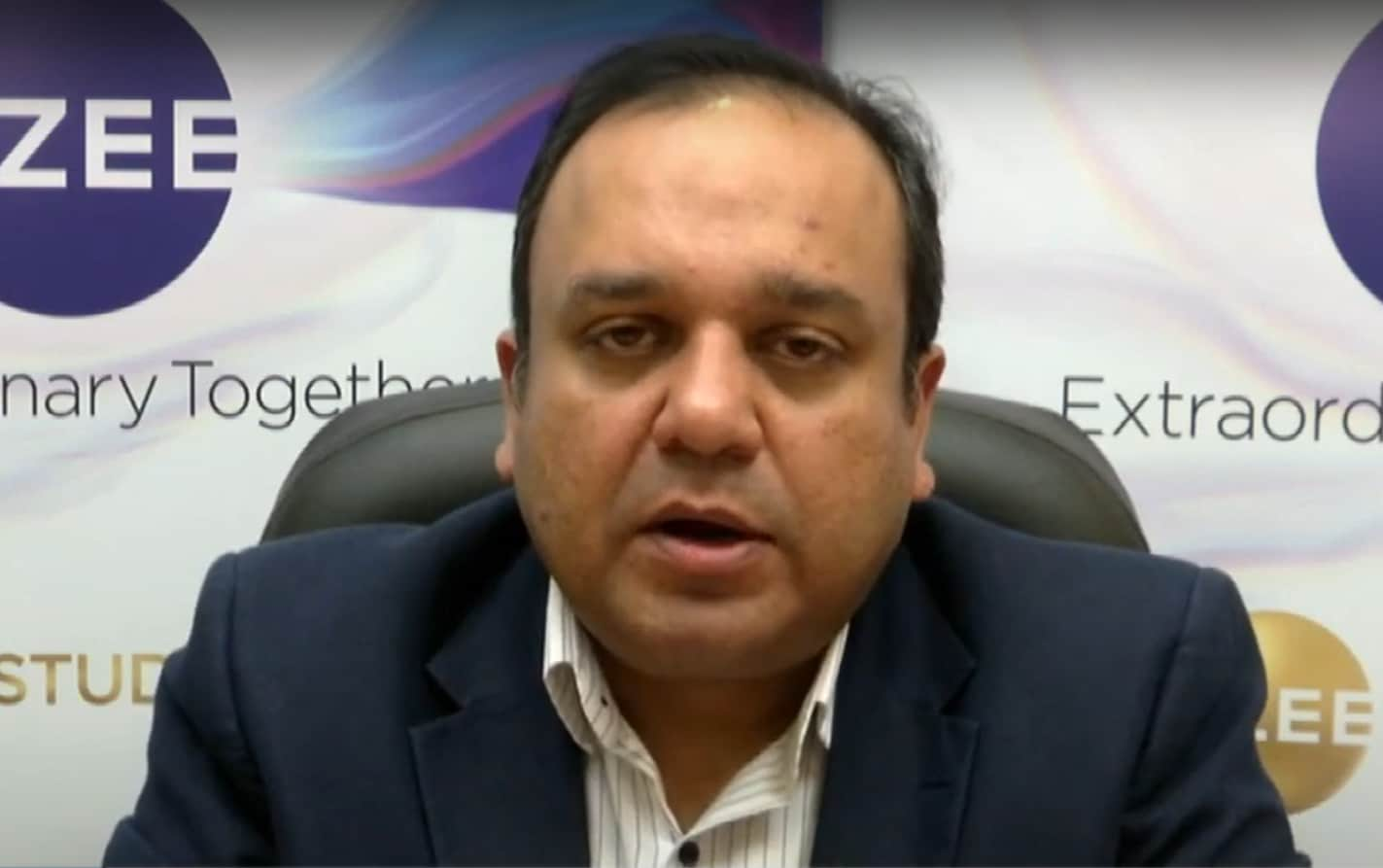
Zee Entertainment Enterprises Ltd. shareholders have approved plans to raise up to Rs 2,000 crore through a share sale as the struggling media company scouts for new investors after the collapse of the Sony merger deal. The board had cleared the proposal last week. Shareholders voted 98.79% in favour of the capital-raise plan.
The funds may be raised through the issuance of equity shares or other convertible or non-convertible securities, either through private placement, qualified institutional placement, preferential issue, or a combination of them.
The capital raise comes months after Japanese media giant Sony ended the $10 billion merger with Zee, citing the Punit Goenka-led company's failure to meet certain conditions, including alleged financial mismanagement and recovering dues from related parties. Consequently, Sony initiated arbitration proceedings against Zee Entertainment under the Singapore International Arbitration Centre rules.
Last month, the National Company Law Tribunal in Mumbai allowed Zee to withdraw its application for implementing its merger with Culver Max Entertainment Pvt., formerly known as Sony Pictures Networks India Pvt.
Initially, Zee filed the application seeking to enforce the merger scheme that the Tribunal approved in August 2023. The company had sought directives for Culver to adhere to the sanctioned scheme, prevent any actions that could interfere with the merger, and form a committee with representatives from both parties to monitor the process and report to the Tribunal.
Shares of the company closed 2.89% higher at Rs 160.05 apiece, as compared to a 0.18% advance in the BSE Sensex.

-
Medicine Pricing: Where Must Profit Stop?

India must confront excessive margins, hidden incentives and regulatory gaps that threaten the integrity of medicine.
-
Why Amazon And Flipkart Are Struggling To Beat Meesho In India's Smaller Cities
With 274 million users and lowest-cost logistics, Meesho is defending its value commerce crown against giants like Amazon and Flipkart.
-
High US Salaries, No Green Card Certainty: The Financial Calculation Facing Indian H-1B Families
The suspension of PERM processing at eight technology employers does not cancel existing H-1B visas. What it does is force a question many Indian families have been avoiding: is the US salary worth tying your career and family plans to one employer?
-
Swiggy vs Eternal: Food Delivery's Two Rivals Are No Longer In The Same Race
Eternal is building a private AI assistant, dark.ai. Swiggy is still working out how to make Instamart pay, with an operating loss of Rs 895 crore in the July-September quarter while Blinkit stayed profitable.
-
Where You Live Shapes How You Get To Work | The Reason Why
Two-wheelers are the most popular way to get to work in India, accounting for nearly 43% of workplace commutes.
-
Unhedged Position: Can India See An Indonesia-Style Time Correction?
The Nifty is trading below levels it first clocked in 2024. Is there, then, as I have suggested in the headline, potential that the current time correction drags on painfully for the next three-five, even ten years?
-
Navigating Friction And Energy Realities: An Analysis Of Marco Rubio's October Visit To India
Occurring at a critical juncture marked by stalled trade negotiations and escalating geopolitical pressures over global energy supplies, the visit offers a profound window into modern US-India relations.
-
India Exports Capital. Why Not Export Trusteeship?
The big question, then, is whether India can build an institution that global borrowers, investors, banks, and lawyers can trust, even without an Indian connection.
-
France's Economy & Politics Are In Crisis | The Reason Why
Let's look at how the French economy and politics evolved under Nicolas Sarkozy, Franois Hollande and Emmanuel Macron.
-
You May Inherit The Business. You Must Earn Its Credibility.
Succession tests the founder's ability to share authority as much as it tests the next generation's readiness to assume it.










