(Bloomberg) -- Three months ago, Ukraine's tech scene was vibrant. High-profile founders like WhatsApp's Jan Koum, Revolut Ltd.'s Vlad Yatsenko and the country's roughly 250,000 technology professionals gave Ukraine an outsized reputation among coders, with tech workers clustered in offices in Kyiv and other hubs around the country.
Russia's invasion changed all that. Overnight, Ukrainian entrepreneurs found themselves trying to keep their businesses going amid shelling and curfews and increasingly dependent on outsiders offering assistance ranging from visa sponsorship to financing.
Ukrainian Tech Ventures, a non-profit venture fund designed to support Ukrainian entrepreneurs who have been displaced, is one such effort. It's looking to raise $50 million to invest in early-stage funds that will back 200 startups with Ukrainian ties over four years, looking to avert a cash-crunch that could otherwise cause the failure of potentially promising start-ups.
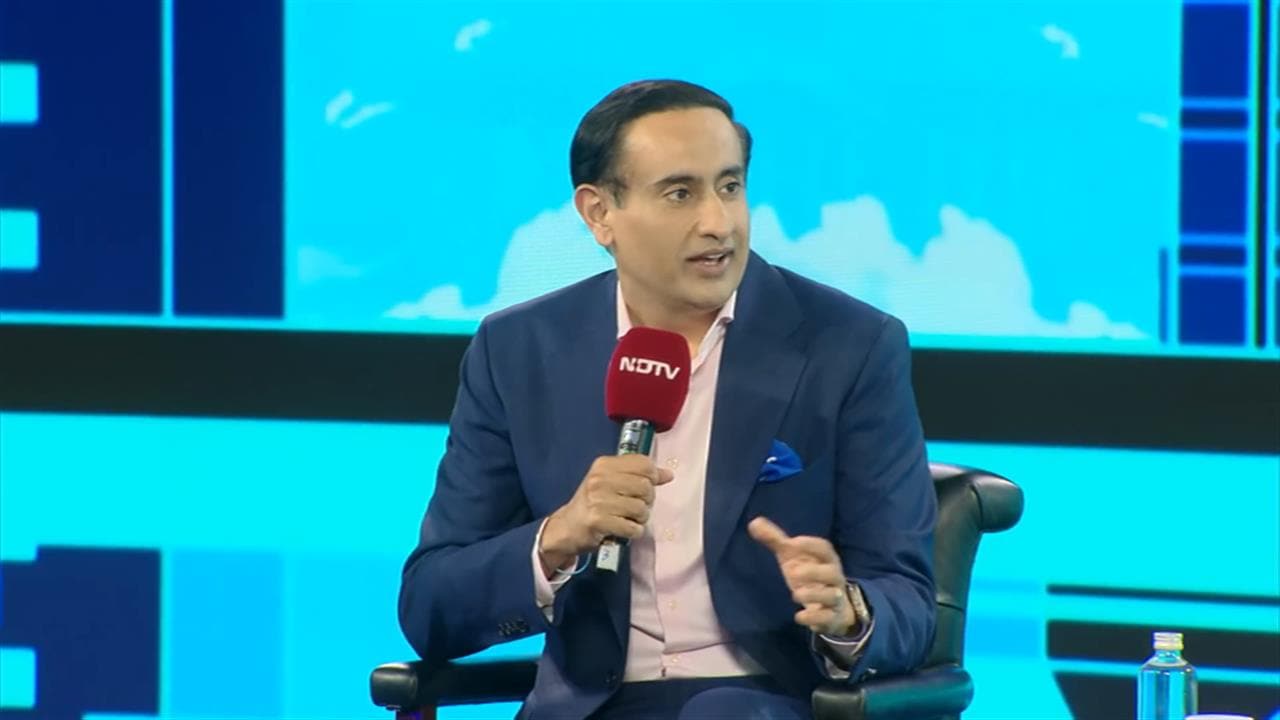
One of the leaders of the initiative is Roman Tyan, founder and managing partner of NRG Ventures, a New York-based business which provides early-stage funding to start-ups from Eastern Europe. Tyan, 31, whose family is from South Korea, grew up in Russia and forged a career in venture capital before moving to the U.S. last year.
After Russia's invasion, he contacted Kyiv-based entrepreneur Sergii Kremeno, 52, a former pilot who co-founded Apollo iGDS, which provides ticketing software.
“I came to Sergii and told him that we have to do something,” Tyan told Bloomberg News in an interview. “We want to make a real impact.”
They're certainly moving quickly. The fund has started engaging with investors and startups, with a formal launch on May 1.
Such speed is imperative, according to Kamil Gaynutdinov, co-founder of Apollo iGDS. “Companies need to secure funds,” he said. “They'll be out of business in three months. That's the urgency.”
Read more about Ukraine's tech scene
One company already on their radar is Mobility Partners Ukraine, a small Ukrainian fintech that streamlines payments for multiple bus journeys, with the aim of offering a friction-free service across borders, much like buying multiple flight tickets.
Artem Drachuk, 38, founded the business in 2021. The company had been in talks with a local private businessman in Ukraine for a $200,000 investment but when war broke out, the deal fell through.
It meant salaries couldn't be paid, two staff had to be furloughed, and plans to expand outside of Ukraine were frozen.
Oksana Ponochevnaya, head of partnerships at the startup, left Kyiv shortly before Russia invaded. She is staying with friends in the town of Emmen, in northeastern Netherlands, where there is a small community of about 300 Ukrainian refugees. Her 20-year-old son and husband are still in Ukraine.
“We're following the news all day and everyday,” she said. “We're living in the moment and Kyiv is not a safe place to come back to.”
Tyan and Kremeno say they are currently in fundraising talks with investors. Investors can put in upwards of $3,000 every quarter. This will make fund raising sustainable and “evergreen”, the founders say.
As with traditional VC funds, investors will make money if the businesses backed by the fund perform. But Ukrainian Tech Ventures itself isn't seeking to make profits beyond a management fee of 1.75% to cover costs. Tyan and Kremeno aren't taking salaries and have committed to personally investing at least 1% of each quarterly fundraise.
The pair, who will directly make all investment decisions, know their venture is high-risk given most startups fail, even without the pressures of the war. But they believe investors will be attracted to their fund's social mission to connect Ukrainian startups with leading European Union and U.S. investors.
“It's an investment into European society,” Kremeno said through a translator.
©2022 Bloomberg L.P.
Essential Business Intelligence, Sharp Market Insights, Practical Personal Finance Advice, Daily Fuel, Gold and Silver Prices and Latest Stories — On NDTV Profit.