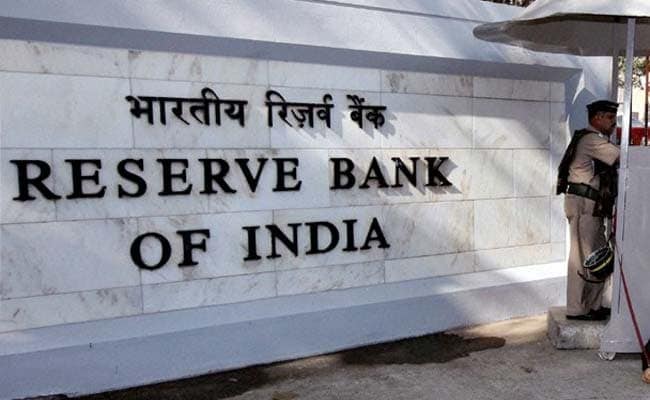
The Supreme Court earlier this month quashed a February 12 directive by the RBI on NPA-affected banks
- The Reserve Bank of India had refused to disclose information regarding wilful defaulters and annual inspection report on commercial banks under the RTI after the Supreme Court's order in December 2015.
- On Friday, the top court did not go ahead with contempt proceedings against the RBI, and granted the central bank "a last opportunity" to rectify it. The court said the RBI is in "contempt of this court by exempting disclosure" of such information.
- Friday's order by the Supreme Court means that the central bank cannot deny disclosure of information about banks under RTI. This includes information such as the RBI's annual inspection report of banks and the list of wilful defaulters.
- In January this year, the top court had issued a contempt notice to the central bank for not disclosing the annual inspection report of banks under RTI.
- The Supreme Court said the regulator's non-disclosure policy was in violation of its judgment of 2015.
- In January 2016, the central bank had denied the release of information under RTI. The information demanded included copies of inspection reports of ICICI Bank, Axis Bank, HDFC Bank and State Bank of India. The central bank denied the release of information stating that it was exempted under the RTI Act and the Reserve Bank of India Act.
- "Any further violation shall be viewed seriously," the Supreme Court said in its order on Friday.
- Meanwhile, the RBI is likely to adopt a more accommodative approach towards resolution of stressed assets by commercial banks in a revised circular, after the Supreme Court quashed a February 12 circular by the central bank.
- The RBI's earlier directive imposed tougher norms on banks dealing with non-performing loans.
- The Supreme Court had said earlier this month that the RBI had acted beyond its authority when it asked banks to drag a defaulter to an insolvency process if they are not able to find a resolution to a company's debt within six months.
Essential Business Intelligence, Continuous LIVE TV, Sharp Market Insights, Practical Personal Finance Advice and Latest Stories — On NDTV Profit.