The Rant In The Resignation Letter
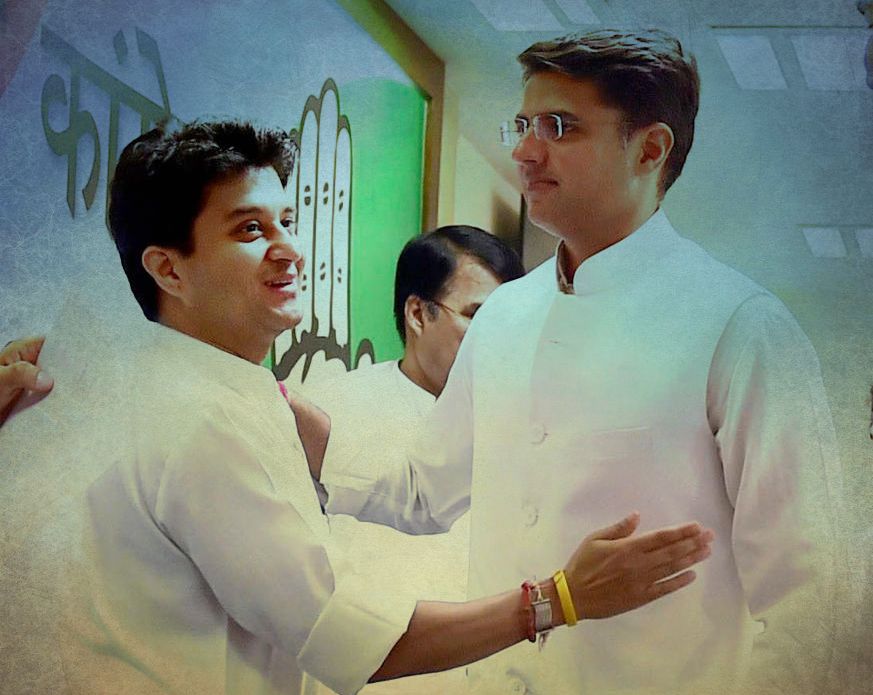
In the spirit of resignation letter confessions, what do Jyotiraditya Scindia and I have in common? We both wrote resignation letters recently in which we used that seemingly anodyne phrase—“time to move on”—that is anything but neutral.
“Having been a primary member of the Congress Party for the last 18 years, it is time for me to move on,” Scindia wrote in a letter to “Dear Mrs Gandhi” in March. I hadn't read his letter but I used “move on” too, similarly emphasising to Dear Editor the end of a long—15 years in my case—mostly monogamous relationship.

I'm not defending Scindia but, unlike his contemporary Sachin Pilot who made a mess of his exit and got sacked from his post of deputy chief minister of Rajasthan, Scindia's was a clean break. He quit, leaped over to the Bharatiya Janta Party one day later, and, within hours, was named their Rajya Sabha candidate from Madhya Pradesh. Both Scindia and I had an option ready when we resigned though he had clearly been in talks much longer than I. The reply I received to my letter was probably nicer than the one he got.
March 10, 2020Pilot's resignation drama played out almost exactly a year after Rahul Gandhi's long resignation letter emphasised “the Congress Party must radically transform itself”. One year later not much has changed. Party insiders are predicting that Gandhi will reclaim the Congress President post he resigned from, amply highlighting another reason to keep that farewell letter short: It can come back to bite you.
I wonder if Scindia composed more revelatory letters in his head before opting for the “moving on” theme? I know I did but a quarter of a century of receiving and sending resignation letters has taught me that it's pointless to air your grievances in a Bari Weiss style tell-all rant that serves no purpose other than to make you feel briefly self-important.
Sharing your resignation letter on social media is the new cc-ing the entire office about the evil boss.The New York Times opinion writer's letter went viral and Resignation Letter is a separate category on her website now, but her public farewell served absolutely no purpose other than to do exactly what she accused her former employer of doing: catering to Twitter.
“Twitter is not on the masthead of The New York Times. But Twitter has become its ultimate editor,” Weiss wrote in her letter. The New Republic summed it up best. “Weiss' letter blurs another critical distinction—between being fired and quitting.”
In other words, the resignation letter is not a declaration of independence, a statement of purpose, or a bare-all confessional. It's just a nuts-and-bolts notice to bid your employer adieu.Most of the letters discussed above would fail Sonal Agrawal's resignation letter litmus test. The co-founder of the executive search firm Accord India has no patience for emotional resignation letters that vent about colleagues or the strategy of the company/organisation. “The actual letter is a formal notification of the desire to end an employment contract. Keep it short, direct, professional, and focussed on the timelines and conditions of your exit.”
She lists some basics your letter should contain: “A neutral professional tone, a clear mention of the effective date of resignation and any requests for early release, your availability for handover and transition, and if you can manage it, an acknowledgement of the professional opportunity provided. Plus best wishes etc.”
If you're a public servant with a conscience, you have to weigh the ethics of resigning against the impact you can have if you continue to stay. If you do quit on principle—and then announce this on social media and national television—as policewoman Sunita Yadav did recently, your story is likely to be lauded but only in rare cases will the outrage help your job situation.
Yadav hit the headlines after she confronted the son of Gujarat's Minister of State for Health and Family Welfare Kumar Kanani, along with two of his friends for violating the Covid-19 curfew in Surat. She said she had resigned shortly after.
When @thekiranbedi towed PM's car, everyone celebrated. Whereas when i stopped a MLA's son car for violating the curfew, I have to resign.@vijayrupanibjp @IPS_Association@narendramodi#SunitaYadav pic.twitter.com/eUTvEvf2y9
July 13, 2020“Friends I did the right thing by resigning right,” Yadav tweeted. “If yes then retweet this tweet, if no then like it.” She got 6,027 retweets and 16,000 likes. Meanwhile, an editor in Gujarat tells me Yadav's resignation letter (the only strand of this story that hasn't been made public) hasn't been accepted and she now faces three departmental inquiries. “The only way we will know where she stands is when her letter is accepted or if she is suspended pending inquiry,” he messaged.
Honestly, in a world reeling from Covid-19, the resignations we need to focus most on are the ones that get the least play like the resignations of doctors and nurses across the country for a variety of reasons ranging from poor pay to racism and terrible working conditions.
The converse is true too. If it's Breaking News—e.g.: Arnab Goswami on Republic TV announcing that “I hereby resign” from membership of the Editor's Guild “a group of has-beens”—you know you can safely ignore the rant and the resignation.
Priya Ramani is a Bangalore-based journalist and is on the editorial board of Article-14.com.
The views expressed here are those of the author and do not necessarily represent the views of BloombergQuint or its editorial team.


-
Where You Live Shapes How You Get To Work | The Reason Why

Two-wheelers are the most popular way to get to work in India, accounting for nearly 43% of workplace commutes.
-
High US Salaries, No Green Card Certainty: The Financial Calculation Facing Indian H-1B Families
The suspension of PERM processing at eight technology employers does not cancel existing H-1B visas. What it does is force a question many Indian families have been avoiding: is the US salary worth tying your career and family plans to one employer?
-
Unhedged Position: Can India See An Indonesia-Style Time Correction?
The Nifty is trading below levels it first clocked in 2024. Is there, then, as I have suggested in the headline, potential that the current time correction drags on painfully for the next three-five, even ten years?
-
Navigating Friction And Energy Realities: An Analysis Of Marco Rubio's October Visit To India
Occurring at a critical juncture marked by stalled trade negotiations and escalating geopolitical pressures over global energy supplies, the visit offers a profound window into modern US-India relations.
-
India Exports Capital. Why Not Export Trusteeship?
The big question, then, is whether India can build an institution that global borrowers, investors, banks, and lawyers can trust, even without an Indian connection.
-
France's Economy & Politics Are In Crisis | The Reason Why
Let's look at how the French economy and politics evolved under Nicolas Sarkozy, Franois Hollande and Emmanuel Macron.
-
You May Inherit The Business. You Must Earn Its Credibility.
Succession tests the founder's ability to share authority as much as it tests the next generation's readiness to assume it.
-
Signing Deals Is One Thing; Making Them Work Is Another | The Week In Whys
Sometimes, things don't turn out as planned. Indian companies have lost some bids to rivals, some projects won't produce until 2030.
-
FOMC Wall, PERM Suspension, Hospital Stocks | Talking Points This Week
A PERM suspension would directly affect green-card sponsorship rather than H-1B visas, so the near-term earnings impact could remain relatively limited. The key question is whether this marks a new phase in US scrutiny of Indian IT.
-
Everything, Everywhere, All At Once: Dalal Street's Week To Forget | Joining The Dots
Visa curbs, a Starlink spat and cancer drug caps: what connects this week's shocks for Indian markets









