The IPL is as much about cash as cricket. Cash and commerce are part of Indian Premier League's DNA, its basic construct and intrinsic appeal.
When it was launched, the IPL was a game changer. Cricket matches were shrunk into 3 hours and a half. The IPL was an intoxicating cocktail of frenzied mauj and masti, with the unbeatable chamak of celebrities and dancing cheerleaders. Significantly, for the first time anywhere in the world, cricket officials loosened their monopoly control to allow private/corporate ownership of teams.
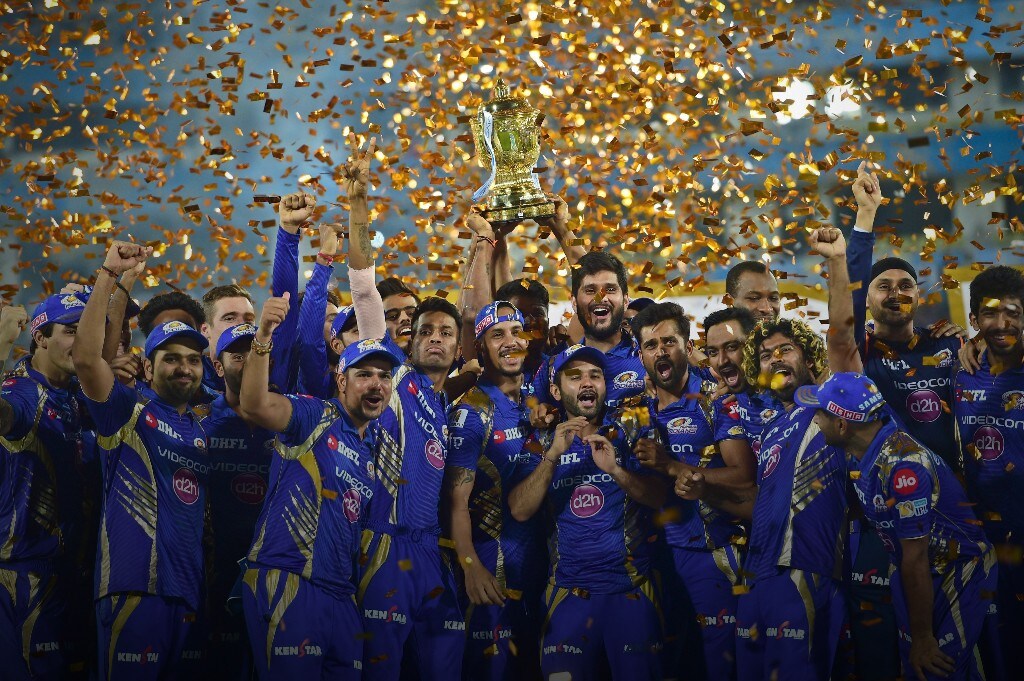
Another first was that the league actually celebrated cash instead of being apologetic about it. The IPL advertised, promoted, and boasted about its commercial numbers – the massive television deal, the ‘price' franchise teams fetched in the auction, with Mumbai Indians the most pricey at $111.9 million. And who can forget the unique theatre of players being under the hammer – sold/bought/spurned in a bazaar beamed live on television.
Also Read | Layoffs Are Rising In Tech, But These Skills Are Helping People Unlock Better Pay
And in this game, hard numbers and the balance sheet mattered as much as the score-book does in cricket.
The IPL Business Construct
The Board of Control for Cricket in India built the IPL on nuanced business principles. By ‘selling' teams, negotiating central media rights, and stitching together impressive sponsorship deals, the Board of Control for Cricket in India first assured itself a fat return before a ball was bowled – what is termed ‘table profit' in the film business.
Like an accomplished batsman it then cleverly deflected all business risks to its partners – the team owners.
The owners had compelling reasons to bat on this new, untested business pitch. Partly, it was the ‘package' that was irresistible because how can anyone, in a certified cricket-crazy country like India, go wrong on cricket. Also, the terms on offer were very attractive: a commercial dream of creating and owning a strong sporting brand, like Manchester United, with multiple revenue streams that included ticket sales, merchandise, uniform sponsorship, global fan base, overseas off-season matches and other monetising opportunities.
The franchise teams bought into the dream with their eyes open. They invested on the understanding that break-even would be quick and even if year-on-year results on the balance sheet became a challenge, the T20 IPL was, in a manner of speaking, a long format punt from a business perspective. This, they knew, was a valuation game based on building a robust brand and its perceived value given its scarcity. With a maximum of ten teams in the IPL, that too at some point in the future, this asset could only appreciate.
The Journey This Far
Ten years since its start, IPL's business results are mixed. The BCCI is sitting pretty with its guaranteed profit, having locked in partners for media and sponsorship assets owned by them.
The franchise teams, however, have realised that like real estate deals there is a gap between what the promoter promised, and what is actually delivered.
Consider this:
- Quick break-even: This hasn't happened except for a few. Most teams continue to be in the red.
- Uniform sponsorship: The big teams (Kolkata or Mumbai) command a premium to net in excess of Rs 50 crore, but others struggle to get decent value. For teams near the bottom of the pool, sponsorship revenues have actually declined with some uniform assets remaining unsold.
- Ticket/gate revenue: Rs 30 crore for 7 home games is the top number, but not every team hits this peak. Tickets don't move in some cities, prices have plateaued, and growth going forward can only be incremental.
- Merchandise/licensing: A non-starter, almost negligible. Makes no contribution to the balance sheet.
- Fan base/loyalty programme monetisation: Yet to get off the ground, appears to be a distant goal.
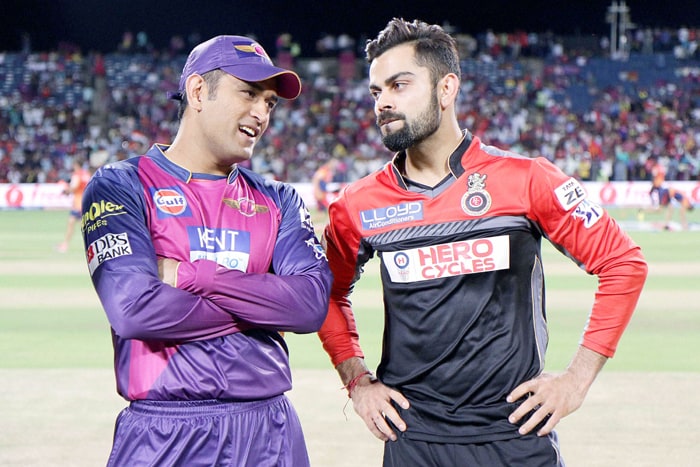
One reason for IPL teams' weak commercial results is their failure to build their brand. In mature global leagues, loyalty is team-based but in the IPL fans still respond to players. People love Virat Kohli more than Royal Challengers Bangalore, the same with Mahendra Singh Dhoni and Chennai Super Kings.
If Kohli and Dhoni move elsewhere, so do their supporters.
Also Read: Kolkata Knight Riders Top The IPL Brandwagon
Given that the IPL is a 64-game six-week event, building a sustainable brand is anyway a challenge. The IPL is vibrant and active for the duration of its matches but once players, celebrities, and cheerleaders depart, the noise subsides and lights dim. Everyone goes to sleep and activity ceases. Because of this, detractors dismiss the IPL as a tournament and not a fully developed league.
This failure, of the brand, is the main reason why the IPL teams' valuation game has not materialised. The IPL teams are assets whose market value remains a matter of conjecture and speculation. While various numbers are tossed around, there is no acceptable benchmark as no deal has been done to provide an insight into the market reality. Which is odd, considering that four teams have been in the market for a long time to sell or offload stake and take on a strategic partner.
What does this buyer apathy indicate? Is the disinterest because of IPL's internal turbulence and controversies or a comment on an excessive expectation of current owners?
The Bottom Line, After Season Ten
In balance sheet terms, IPL teams are either making a minor profit or just about keeping their noses above the water. Their financial health currently is hugely dependent on the central revenue share received from the BCCI. Each team gets close to Rs 70 crore annually.
Gujarat and Pune, which secured the right to operate teams for two years by relinquishing central revenue share and instead offering money to the BCCI, have guaranteed annual losses in the range of Rs 50-75 crore.
In any other business, this grim scenario would have created serious alarm but such is the nasha of cricket there is no visible panic in the boardrooms of IPL teams.
Industry analysts have held the view that cricket defies normal economics and is driven by its own unique dynamics. The IPL delivers multiple non-economic ‘money can't buy' experiences ranging from being spotted on television, bragging about having a top cricketer on speed dial to clicking selfies with celebrities. There is immense ‘return on investment' that is difficult to reduce to numbers: goodwill, image building, networking, personal profiling. All these have value, no wonder teams happily write cheques to meet gaps between income and expense.
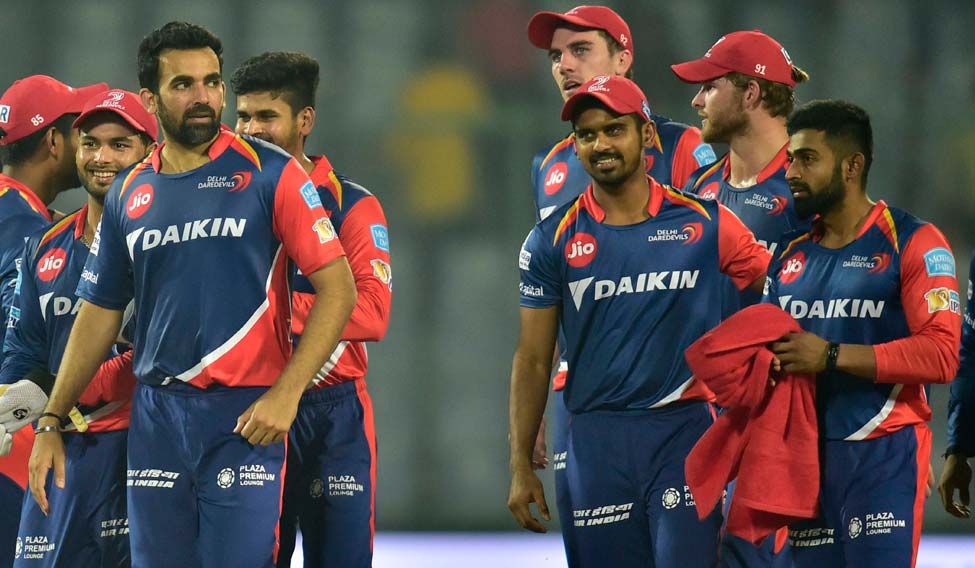
Also, any profitability assessment must factor in the intent of business. Some teams treat the IPL as pure business, a profit-loss game; others have a different approach. CSK and RCB were as much about supporting their core business as about remaining positive in strict accounting terms. MI has run commercials about promoting social good through cricket. The GMR Group that owns Delhi Daredevils understands the value of an IPL team in the context of having a presence in Delhi.
Looked at it from this angle, an IPL team is a business expense, an investment and an instrument and its performance should be judged keeping the original trigger in mind.
Also Read: Dangal for More Money: International, Domestic Cricketers' Salaries Decoded
The Game-Changing Next Steps
2018 is a watershed moment for the IPL. In season 11, the financial relationship between IPL and franchise teams changes from payment of annual fees to sharing top-line revenue. According to the original Memorandum of Understanding, teams have to give 20 percent of annual revenue to the IPL. The League continues to share its central revenue with teams, but only after retaining 50 percent of the total.
The underlying principle from the BCCI is simple: we will support you by contributing central revenue but we are a partner in your upside. As your revenues grow, so does our share.
Teams are looking at the new arrangement with optimism, their hopes resting on the upcoming new media rights deal. Industry experts are confident that the IPL media assets will comfortably fetch double the current value for the next five-year cycle. If that happens teams will become profitable in one stroke, valuations would rise and greater interest is expected from investors.
The IPL franchise teams eagerly await the arrival of achhe din!
Amrit Mathur is a senior journalist, former General Manager of the BCCI, and former manager of the Indian Cricket Team.
The views expressed here are those of the author's and do not necessarily represent the views of BloombergQuint or its editorial team.
Essential Business Intelligence, Sharp Market Insights, Practical Personal Finance Advice, Daily Fuel, Gold and Silver Prices and Latest Stories — On NDTV Profit.