- Tata Steel says EU carbon border tax will benefit its business and not hurt margins
- The company produces steel within Europe, not exporting much from India to EU
- EU's Carbon Border Adjustment Mechanism started Jan 1, taxing carbon in imports
Tata Steel Ltd. said the European Union's carbon border tax will benefit its business and will not hurt margins, as the company produces steel within Europe rather than exporting significant volumes from India.
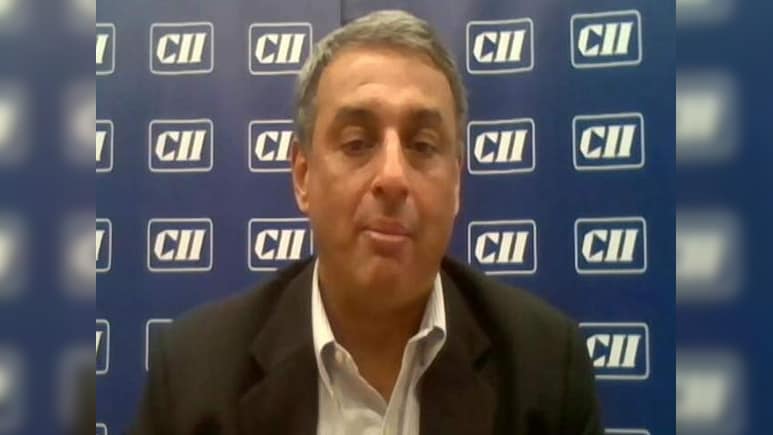
“From that point of view, CBAM is positive for Tata Steel,” TV Narendran, managing director and chief executive officer of Tata Steel Ltd., said. “It equalises the tax for us. We are not negatively impacted by it,” he told NDTV Profit in an interaction.
Narendran said the company has substantial operations in Europe and serves customers from plants based there. “We don't sell much steel from India to Europe. We rather produce steel in Europe,” he said.
Also Read | Layoffs Are Rising In Tech, But These Skills Are Helping People Unlock Better Pay
Carbon Levy In Force
From Jan. 1, the European Union's Carbon Border Adjustment Mechanism came into effect, placing a carbon cost on selected goods entering the 27-nation bloc. The measure covers products such as steel, fertilisers, cement, aluminium and hydrogen imported from outside the EU.
From this year, importers are required to purchase certificates reflecting the greenhouse gas emissions embedded in those goods. The price of the certificates mirrors the benchmark under the EU Emissions Trading System, which applies to industries operating within the bloc.
The policy seeks to align the carbon cost faced by foreign producers with that borne by European manufacturers under the emissions trading regime. EU authorities say the system is intended to prevent production from shifting to jurisdictions with weaker climate rules and then exporting goods back into Europe.
Global Pushback
The mechanism has prompted concerns among several trading partners. The US, China, India and Brazil are among countries that have questioned the move, with some warning of retaliatory steps. Indian officials have argued that advanced economies with a larger share of historical emissions should undertake deeper reductions rather than impose border charges.
The EU had earlier run a transition phase that required importers to report emissions linked to their shipments. With the levy now operational, payments are being linked to the embedded carbon content of covered imports.
Narendran said the structure of the tax supports Tata Steel's position because the company already manufactures steel within Europe and falls under the region's carbon pricing rules. “CBAM is an equalisation tax,” he said.
Tata Steel operates steel plants in the UK and the Netherlands and had previously outlined plans to reduce emissions from its European facilities as it shifts to lower-carbon production methods, including plans to cease using traditional blast furnaces in the UK and Netherlands by 2035.
Essential Business Intelligence, Sharp Market Insights, Practical Personal Finance Advice, Daily Fuel, Gold and Silver Prices and Latest Stories — On NDTV Profit.