Habil Khorakiwala, founder chairman of Wockhardt Ltd., is not concerned about US President Donald Trump imposing tariffs on India, especially when it comes to the pharma sector. His rationale is simple. Any tariff imposed on Indian pharmaceutical products will be passed onto the US consumers.
Speaking at the NDTV Profit Conclave on Tuesday, Khorakiwala explained that as far as Indian pharmaceutical industry is concerned, it is one of the largest suppliers worldwide, ranking third in terms of export earnings. The nation supplies around 40% medicine that American consumers use, and accounts for 60% of vaccines supplied worldwide, as seen during COVID-19 pandemic.
Additonally, disrupting supply chains, unlike steel or cement, in the pharma sector isn't an easy task. The industry takes roughly three to five years to make a change in formulation. "One cannot switch suppliers in pharmaceutical industry in a day's notice," said Khorakiwala.
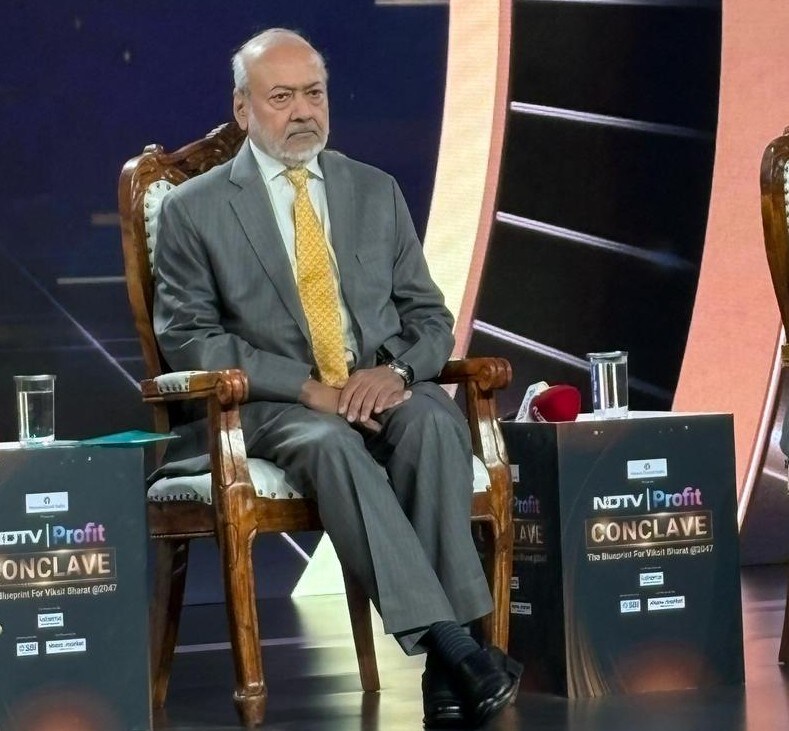
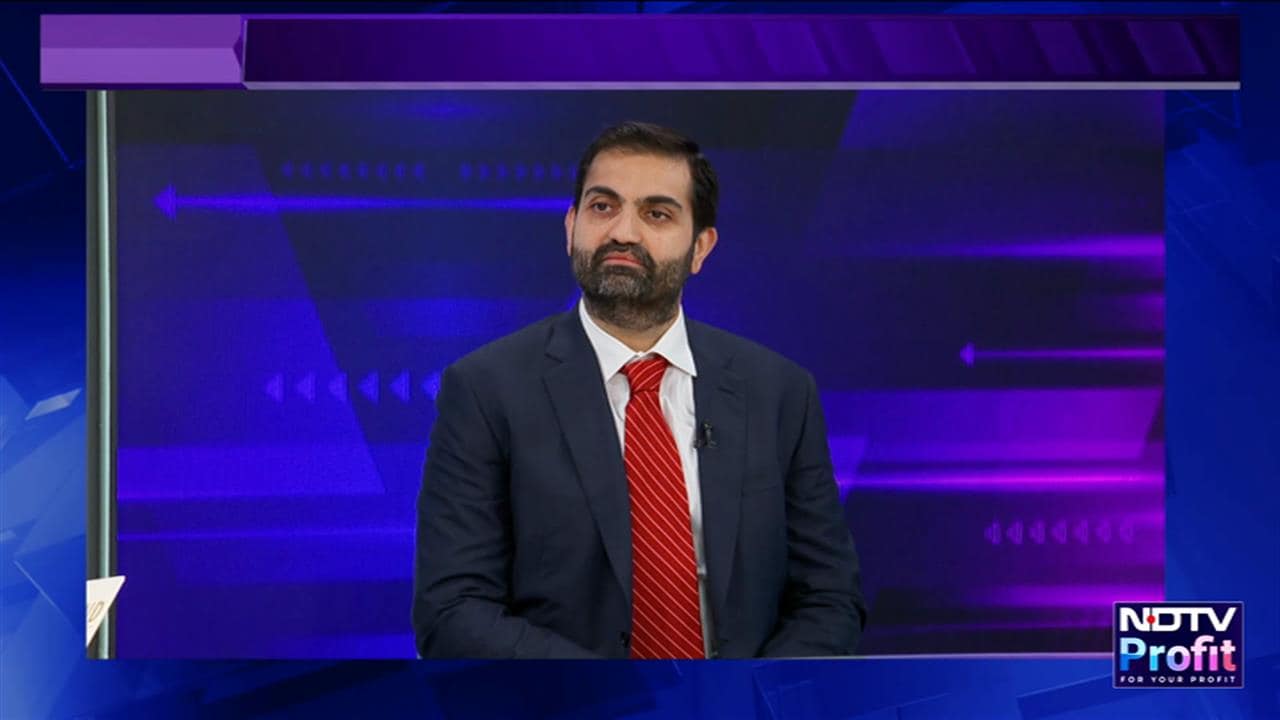
Habil Khorakiwala, founder chairman Wockhardt Group at NDTV Profit Conclave.
Research and innovation will be very important if India needs to be recognised as a worthy pharmaceutical powerhouse other than supplier of medicines, he said.
If someone desires to make a mark in the intellectually-driven pharma industry, they need scientists, and software engineers, the Wockhardt founder chairman said.
Innovation In Pharma
The health sector, which entails production of medicine, and drugs, is going to see a major technology shift from chemical-based entities to biologics-based drugs, Khorakiwala said.
Of the new drugs approved in the recent five to seven years, 70% are biologics. This is the area where India has a base but needs to build a strength, Khorakiwala said.
The challenge for the pharma industry is absorption of new science and technology. More personalised medicine might arrive in the market with genomics, said Khorakiwala, where artificial intelligence development and adoption speed can help the process.
While Wockhardt is not extensively using AI In research, other parts of the organisation are employing the new-ago technology to some extent. It accelerates the process of real innovation, but uniqueness of human intelligence cannot be replicated, he said.
Ease Of Doing Business Needs Improvement
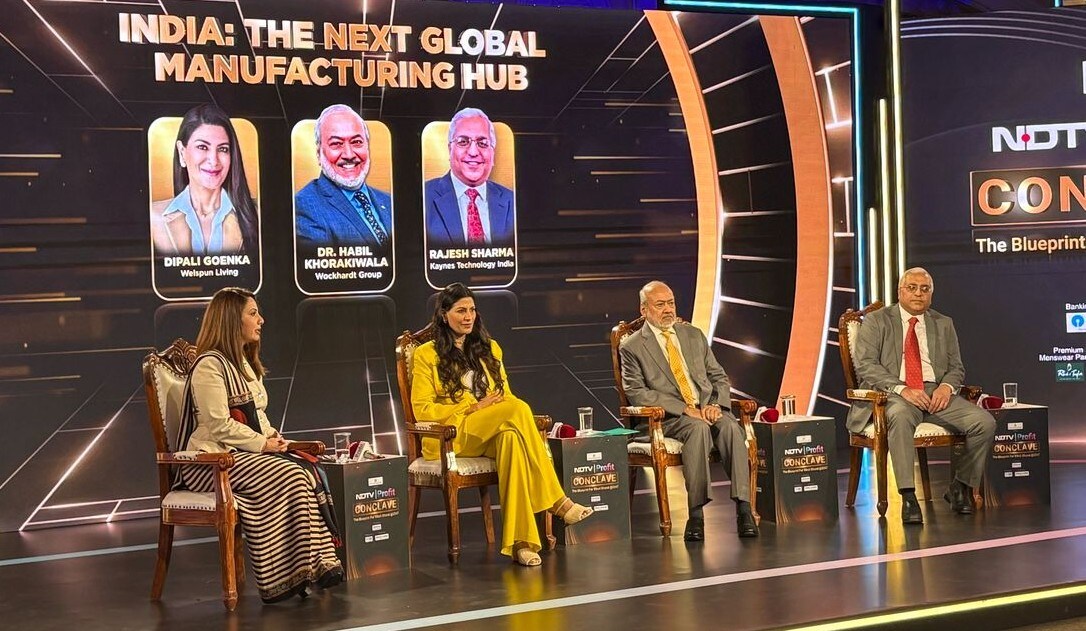
Speaking during the panel discussion on 'India: The Next Global Manufacturing Hub', Khorakhiwala observed that regulatory mechanism has not changed in the last 30 years.
"It creates a dissonance. Many of the time, the regulatory bodies are not aware of a new drug or innovation in India. Suppose for a new drug, a Phase I clinical trial needs to be done, Wockhardt goes to Netherlands to get ethics committee's clearance. If the company goes to US or Europe, there's a 30-day period. In India, it's three months," he said.
The drug has to face further questions and delays. If delays happen in so many stages, patent-life gets shortened and producer becomes non-competent. Hence, many pharmaceutical companies chooses to innovate outside of the country despite having capability in India, Khorakiwala said.
Watch NDTV Profit Conclave Live Here
Essential Business Intelligence, Continuous LIVE TV, Sharp Market Insights, Practical Personal Finance Advice and Latest Stories — On NDTV Profit.