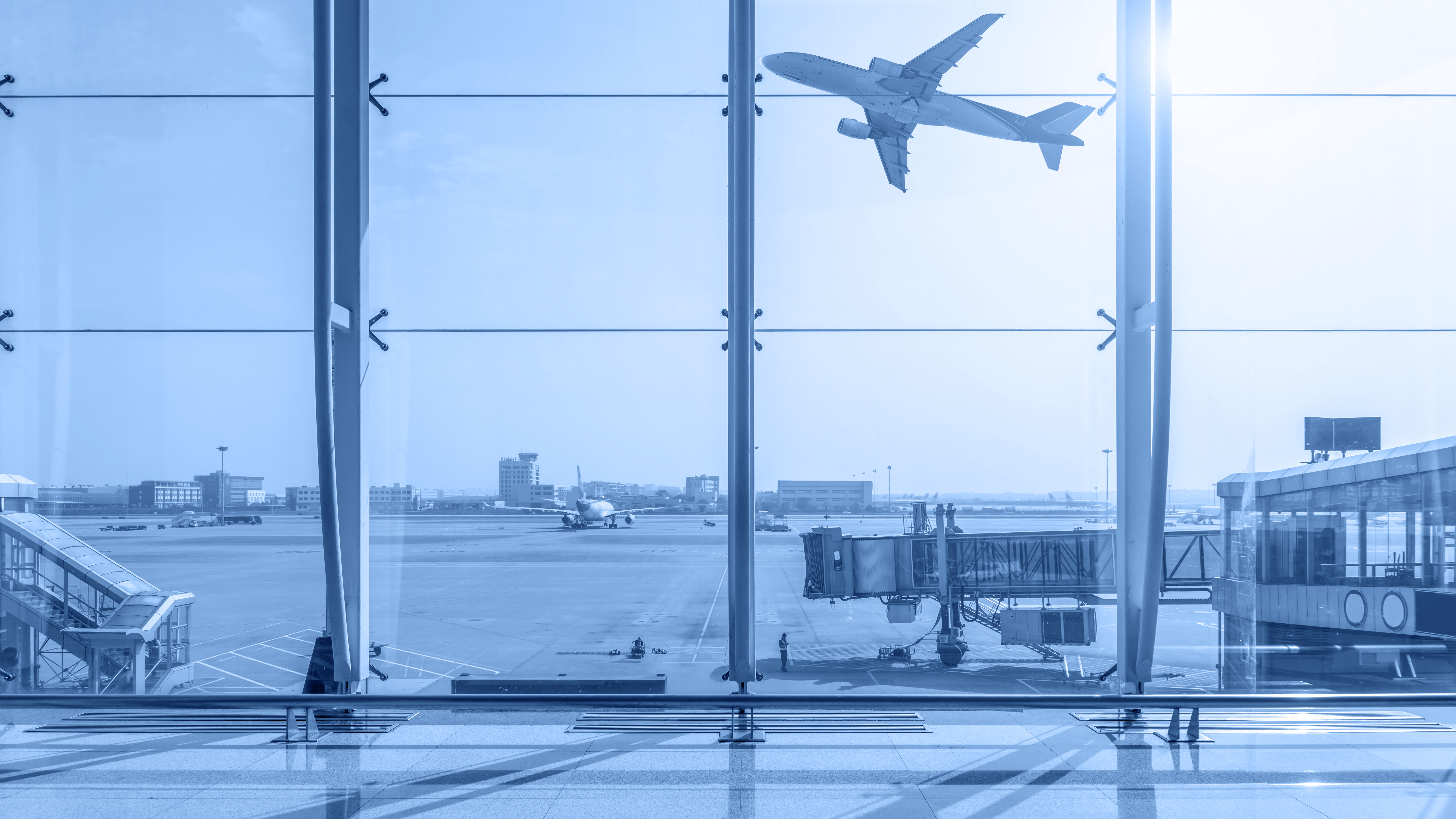
Indian carriers on Wednesday voiced concerns about the new CORSIA global emission standards set for 2027, labeling the targets as "unrealistic" and warning that the norms could pose huge financial burden on them.
CORSIA, or Carbon Offsetting and Reduction Scheme for International Aviation is a global initiative of the United Nations-run International Civil Aviation Organization, to limit carbon emissions from international aviation. The implementation of CORSIA has been divided into three phases — two voluntary phases (2021-2023 and 2024–2026) and a mandatory phase from 2027. India hasn't participated in the voluntary phases but will be required to comply from 2027. As part of this, the airlines are required to offset emissions that exceed 2020 levels by buying eligible carbon credits.
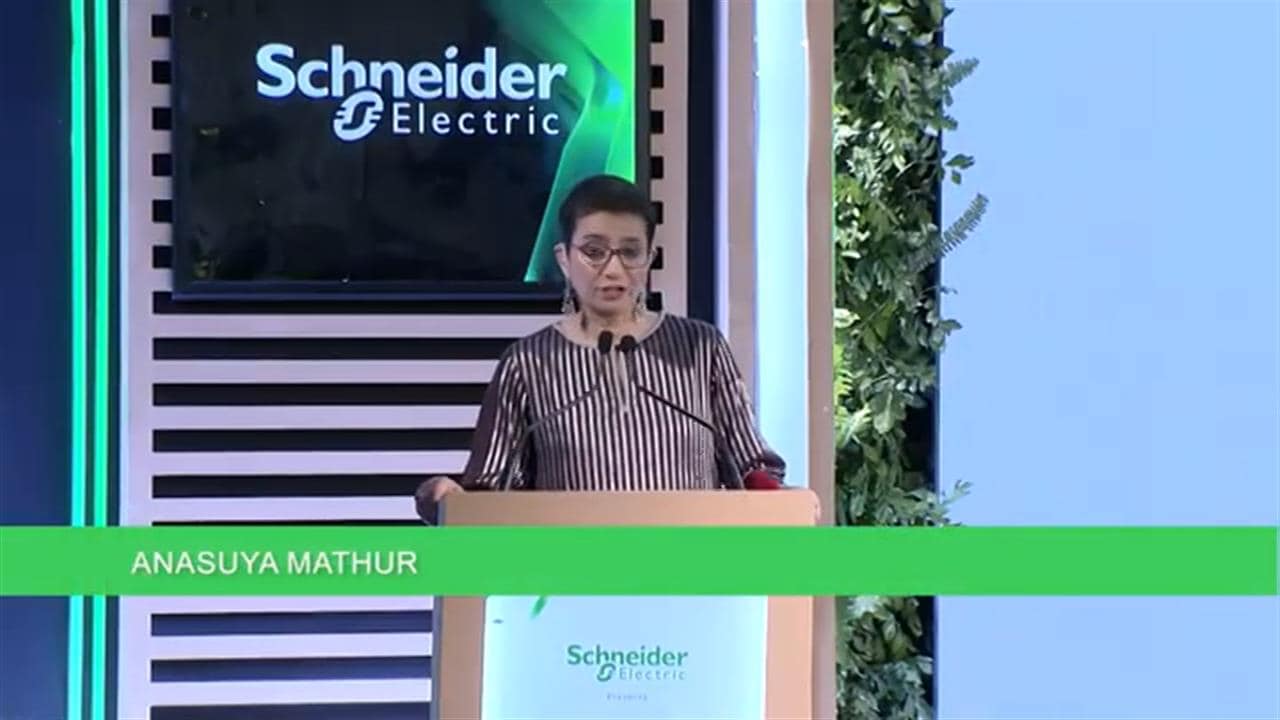
"The 2027 CORSIA targets are unrealistic," SpiceJet CMD Ajay Singh said during a panel discussion at Makemytrip Foundation's India Travel and Tourism Sustainability Conclave 2025. "It tries to limit countries to the emission levels of the number of aircraft that they had in 2020. That has to be opposed. We will continue to work with ICAO and see that these norms are not unfair to developing countries like India and not biased towards developed countries."
Air India Express Managing Director Aloke Singh added that CORSIA will pose a significant burden on airlines. "If the SAF production gets further delayed, the burdens of carbon offset — due to CORSIA — will rise further."
The government has set an indicative target of 1% blending of sustainable aviation fuel or SAF in international flights by 2027. This 1% SAF blending is expected to increase to 2% by 2028 and 5% by 2030. However, SAF production is progressing at a sluggish pace, airline executives say.
Akasa Air Co-founder Aditya Ghosh echoed similar sentiments. He argues that the government is providing roughly Rs 90-100 per kilometer and subsidies to bus transporters, to encourage them to switch to electric. "So, the ultimate cost to the consumer is brought down by way of subsidies."
Pressing for similar incentives for airlines, Ghosh said that the government would need to spend about Rs 4,000 crore to make the transition easy and efficient. "We are not asking for any other subsidy. We will invest in engines. But we will need some revenue assurance backed by sovereign guarantee of some kind to scale up SAF production and adoption in India."
Ghosh further questions the fairness in emission targets for India, given its lower emission-to-GDP ratio compared to the western world. "We have relatively newer fleet, and contribute to 1% of emissions in India, which is less than the global average."
In August 2018, SpiceJet conducted India's first SAF-powered flight between Dehradun and Delhi. This flight used a blend of 75% aviation turbine fuel and 25% biojet fuel, which was derived from Jatropha oil and developed by the CSIR-Indian Institute of Petroleum in Dehradun.
"But ultimately it has to make sense economically, especially with fuel being the largest input cost for airlines," Singh said, seeking incentives from government and a cost-friendly infrastructure to support the transition. "It is neither feasible to ask consumers to pay more nor can you expect airlines to bear the additional 15-20% cost to make SAF production feasible. But I believe what we can do is to have these SAF refineries, which are relatively simpler, probably closer to airports to save on costs."
SpiceJet CMD stated the issue of boosting SAF production boils down to political will in the country because the money needed is not large for oil companies but huge for airlines. "The money required to jointly establish a SAF refinery in Panipat was Rs 150 crore. The IOC chairman had said he was not getting any return for this money so why should I invest Rs 150 crore. So, the sums involved are marginal, but it is all about political will."
Discussions have been held with the Prime Minister's Office for allotment of spaces for SAF refineries near airports, to lower transport costs, and also with oil marketing companies, including IOC, BPCL and HPCL, to build a mini refinery for SAF production in their existing refineries, he added.
Kapil Kaul, chief executive officer and director of aviation consultancy firm CAPA India, said none of the Indian carriers are ready to meet the targets set under CORSIA. "The current targets may need to be postponed."
Currently, the production of SAF is only about 0.53% of the total fuel consumption. To meet the net-zero target by 2050, production must increase to 25-30%. "So, we're very far behind in terms of SAF production."
Essential Business Intelligence, Continuous LIVE TV, Sharp Market Insights, Practical Personal Finance Advice and Latest Stories — On NDTV Profit.