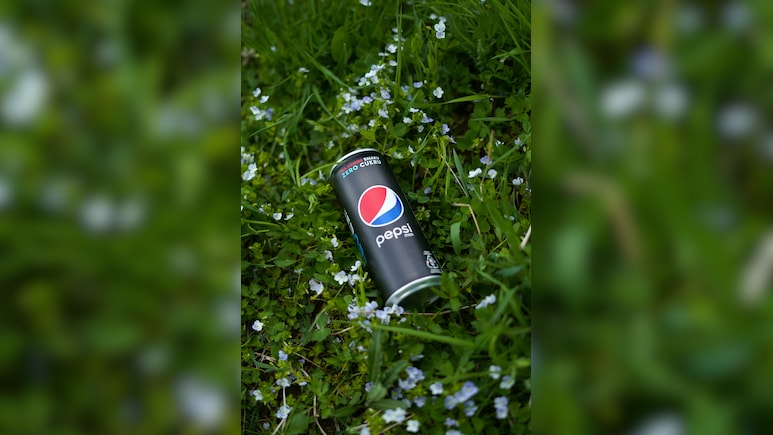
PepsiCo is facing pressure to deliver the growth and margin improvements promised after activist investor Elliott Investment Management acquired a $4 billion stake. The company is being weighed down by declining snack volumes in North America, rising costs and growing consumer adoption of GLP-1 weight-loss drugs, according to reports.
The focus when PepsiCo reports quarterly earnings Thursday is expected to be on its key North American business, where volumes have declined amid rising input costs linked to the Iran war and persistent inflation that is weighing on consumer demand. CEO Ramon Laguarta is navigating pressure on both costs and sales as shoppers become more cautious, Reuters reported.
ALSO READ: 'Energy Drink' Crackdown: Why FSSAI Is Raising Consumer Safety Concerns Over Caffeine Content?
Also Read | Layoffs Are Rising In Tech, But These Skills Are Helping People Unlock Better Pay
Despite efforts to deliver record productivity savings and cut prices by as much as 15% on products such as Lay's and Doritos in February, PepsiCo's core operating margin fell by 15 basis points year-on-year to 16.3% of revenue in the first half. That is moving in the opposite direction to a December target for a 100-basis-point uptick over three years announced after discussions with Elliott.
"They have not identified a focused path to recovery in the face of the 'changes' that they've made. They were simply too late, and now they have the threat of GLP-1s," said Stephanie Link, chief investment strategist at PepsiCo investor Hightower Advisors.
The rise of weight-loss drugs is reshaping the packaged-food industry, prompting companies from Kraft Heinz to Conagra Brands to accelerate efforts to develop healthier, reformulated products. PepsiCo is also adapting to the shift in consumer demand, expanding its portfolio with products such as Doritos Protein, SunChips Fiber and Good Warrior beef sticks as food makers seek to capture spending from increasingly health-conscious consumers.
However, the threat from GLP-1-driven healthier eating habits is still evident in the narrowing valuations of food companies. PepsiCo, which has a sprawling portfolio of processed snacks and soft drinks, has seen its enterprise value—including debt—fall to around 10 times EBITDA, down sharply from 18 times in mid-2022. Meanwhile, its more focused rival, Coca-Cola, has pulled further ahead.
PepsiCo's shares have declined nearly 12% so far this year and are down around 16% since Elliott took its stake in the company.
According to TD Cowen analyst Robert Moskow, the biggest concern is that PepsiCo's extensive efforts to strengthen its U.S. Frito-Lay business—including pricing changes, new product launches, broader distribution and increased marketing—have delivered results well below expectations.
ALSO READ: PepsiCo, Monster Challenge FSSAI Order Barring 'Energy Drink' Label On High-Caffeine Drinks
"Sales remain flattish, and they're losing market share," Moskow said.
Analysts expect PepsiCo's third-quarter revenue to increase 4.3% to $24.96 billion, while adjusted earnings per share are forecast to edge up 0.21% to approximately $2.29, according to LSEG data.
Essential Business Intelligence, Sharp Market Insights, Practical Personal Finance Advice, Daily Fuel, Gold and Silver Prices and Latest Stories — On NDTV Profit.