NPCI Launches UPI AutoPay Feature For Recurring Payments
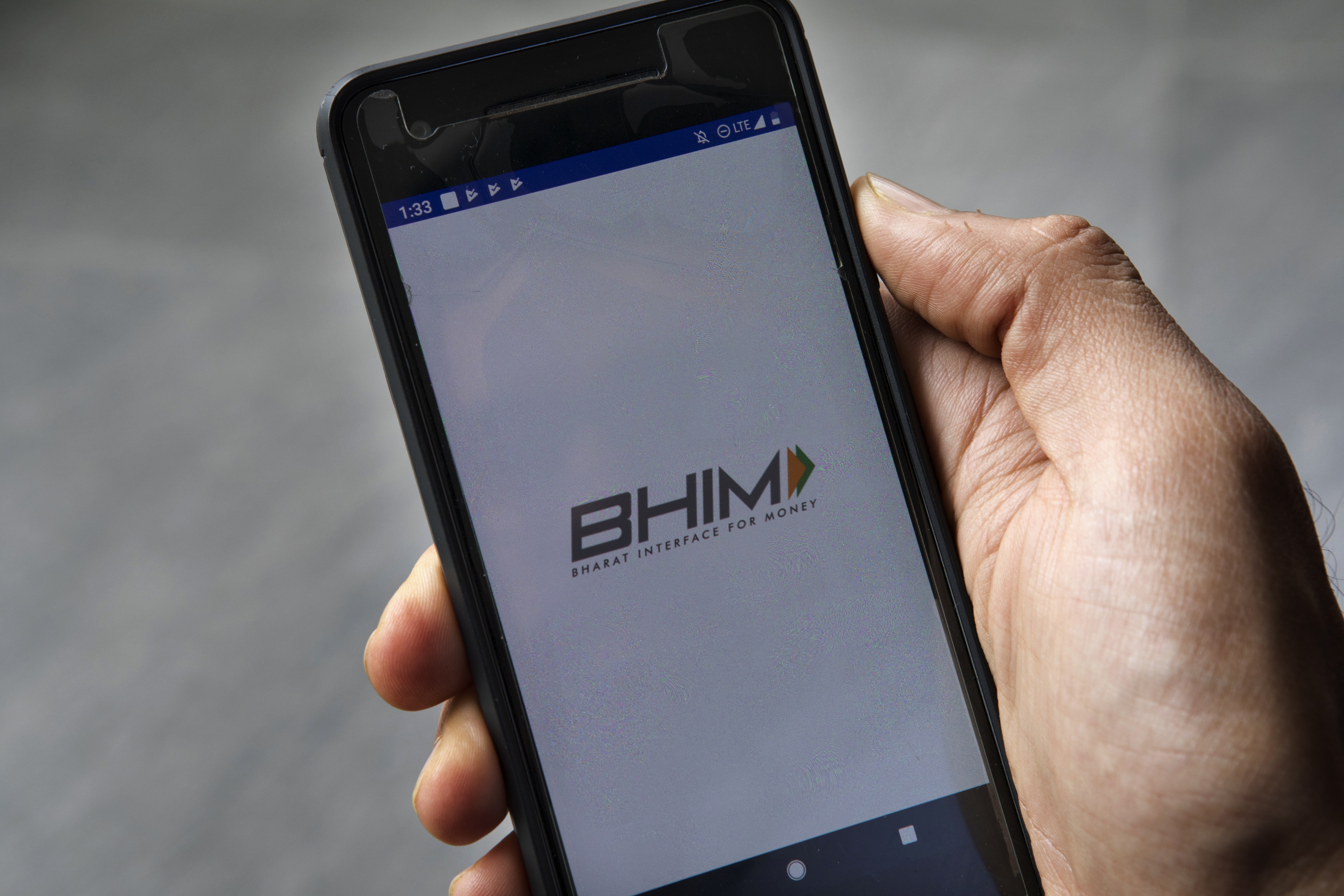
The National Payments Corporation of India has added an auto-pay feature to Unified Payments Interface, allowing recurring payments via platforms build on UPI.
UPI AutoPay will allow customers to set up electronic payment mandates for multiple use cases such as subscription services, utilities, insurance premium payments, loan installments and even mutual fund investments.
“UPI AutoPay is a big milestone for the UPI product road map as it allows people to make repeat payments for multiple purposes. Mandates can be set up with daily weekly, monthly or annually, which means it opens up an entire host of use-cases and applications,” Praveena Rai, chief operating officer at NPCI said at the launch of the service during the Global Fintech Fest.
According to Dilip Asbe, managing director and chief executive officer of the NPCI, UPI AutoPay will not only benefit customers, but also merchants with an all new recurring payments experience. We also hope to achieve new milestones by expanding UPI's presence especially in the P2M payment space,” he said.
Once a customer sets up an electronic mandate with their utility provider or insurance company, they will receive a notification on their UPI-enabled mobile application. Thereafter, the customer must confirm details of the mandate and select the bank account to be debited. Once the terms are accepted and the customer authenticates the mandate via their UPI PIN, the AutoPay function will be enabled.
“Any UPI-enabled application would also have a ‘mandate' section, through which customers can create, approve, modify, pause as well as revoke auto debit mandate. The mandate section will allow customers to view their past mandates for their reference and records,” a statement by NPCI said.
Banks that have already gone live with UPI AutoPay are Axis Bank, Bank of Baroda, HDFC Bank, HSBC Bank, ICICI Bank, IDFC Bank, IndusInd Bank and, Paytm Payments Bank, it added.
The UPI AutoPay feature can be used to make small value recurring payments like subscriptions to online websites, mutual fund investments, insurance premium payments, recurring transactions with internet service providers or telecom companies, and also for travel expenses like metro or bus passes.
“UPI being the one stop destination for customers' day-to-day spends, acts as a backbone of digital India. Introducing UPI AutoPay on UPI is a testament of continuous innovation in the digital payments space,” said Nandan Nilekani non-executive chairman and co-founder, Infosys.
In January this year, the Reserve Bank of India allowed the NPCI to develop a recurring payments feature on UPI through electronic mandates. The regulator has allowed transactions worth up to Rs 2,000 to be carried out under this mode.
While UPI 2.0 has a mandate feature to enable customers to pay later or pre-authorise a one-time transaction via the UPI mandate system, the auto-pay feature is for recurring payments and is open to all customers and merchants.

-
The Economic Imperative: Analysing The Material Driving Force Behind India-Canada Strategic Reset

This economic complementarity is further reinforced by deep institutional investment ties and talent mobility, which form the bedrock of the bilateral framework.
-
Medicine Pricing: Where Must Profit Stop?
India must confront excessive margins, hidden incentives and regulatory gaps that threaten the integrity of medicine.
-
Why Amazon And Flipkart Are Struggling To Beat Meesho In India's Smaller Cities
With 274 million users and lowest-cost logistics, Meesho is defending its value commerce crown against giants like Amazon and Flipkart.
-
High US Salaries, No Green Card Certainty: The Financial Calculation Facing Indian H-1B Families
The suspension of PERM processing at eight technology employers does not cancel existing H-1B visas. What it does is force a question many Indian families have been avoiding: is the US salary worth tying your career and family plans to one employer?
-
Swiggy vs Eternal: Food Delivery's Two Rivals Are No Longer In The Same Race
Eternal is building a private AI assistant, dark.ai. Swiggy is still working out how to make Instamart pay, with an operating loss of Rs 895 crore in the July-September quarter while Blinkit stayed profitable.
-
Where You Live Shapes How You Get To Work | The Reason Why
Two-wheelers are the most popular way to get to work in India, accounting for nearly 43% of workplace commutes.
-
Unhedged Position: Can India See An Indonesia-Style Time Correction?
The Nifty is trading below levels it first clocked in 2024. Is there, then, as I have suggested in the headline, potential that the current time correction drags on painfully for the next three-five, even ten years?
-
Navigating Friction And Energy Realities: An Analysis Of Marco Rubio's October Visit To India
Occurring at a critical juncture marked by stalled trade negotiations and escalating geopolitical pressures over global energy supplies, the visit offers a profound window into modern US-India relations.
-
India Exports Capital. Why Not Export Trusteeship?
The big question, then, is whether India can build an institution that global borrowers, investors, banks, and lawyers can trust, even without an Indian connection.
-
France's Economy & Politics Are In Crisis | The Reason Why
Let's look at how the French economy and politics evolved under Nicolas Sarkozy, Franois Hollande and Emmanuel Macron.










