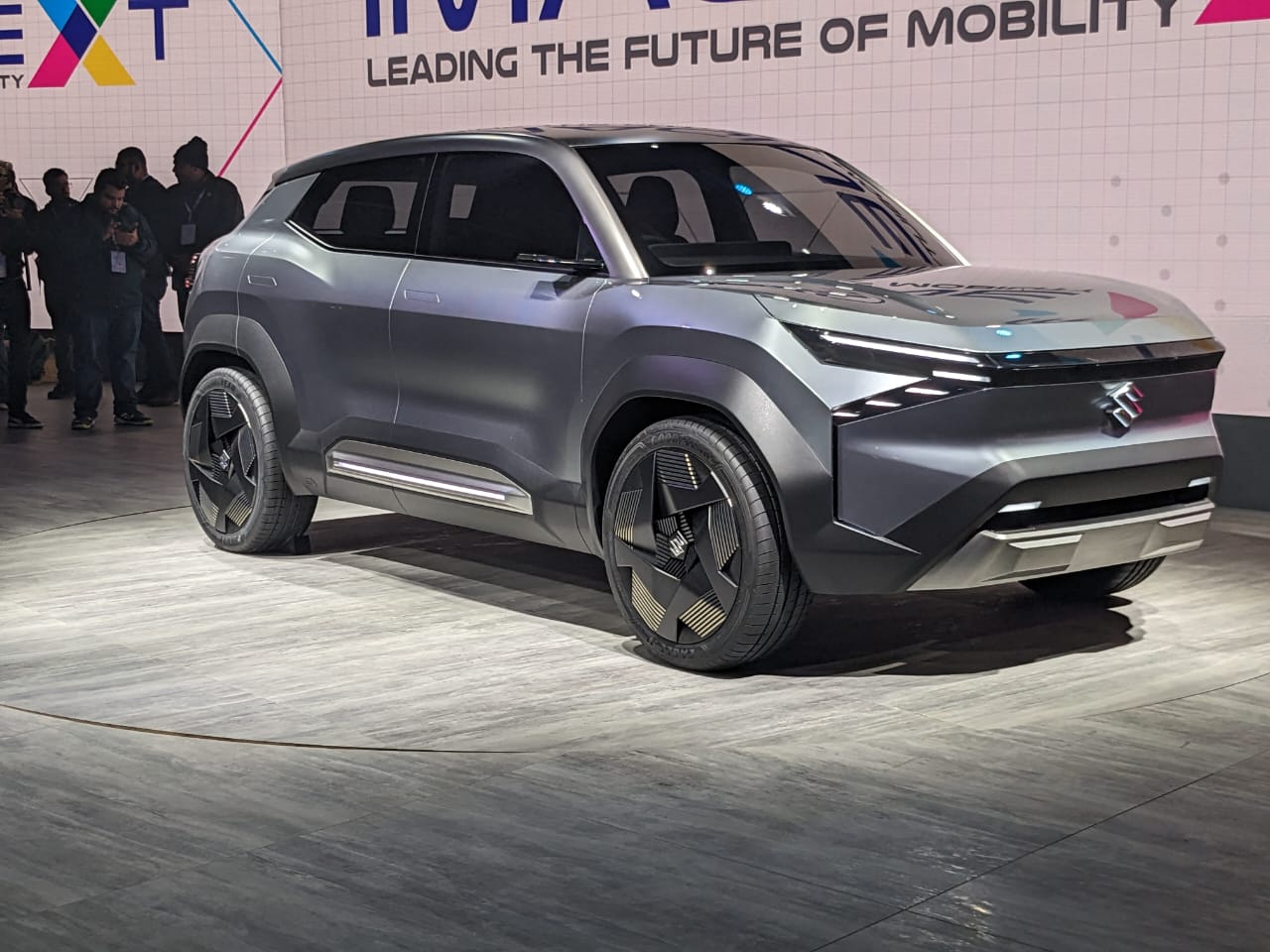
Maruti Suzuki India Ltd.'s electric vehicle sales will be limited to 15% of overall volumes by fiscal 2030 unless battery costs come down drastically, according to Executive Director Shashank Srivastava.
"The penetration would be higher if the battery costs were to come down drastically because of a new chemistry being discovered or if the manufacturing costs declined," Srivastava told BQ Prime.
The automaker's Japanese parent, Suzuki Motor Corp., has said it will launch six EVs in India by FY2030 and that 15% of sales will come from these battery-operated vehicles.
The country's largest carmaker's forecast is way below the government's aim of achieving 30% penetration in private cars by the end of the decade.
Even rivals like Tata Motors Ltd. and Mahindra and Mahindra Ltd. expect higher sales from EVs. Tata Motors expects half of its sales to come from EVs by the end of the decade, while Mahindra sees a quarter of its SUV sales coming from electric models by 2027.
Maruti Suzuki, however, isn't alone in predicting lower penetration of EVs. Several reports, including one from the Automotive Component Manufacturers Association of India, see electric car penetration between 10 and 17% by the end of the decade.
EVs have a large component of their costs coming from batteries, which contribute about 45–50% to the overall costs.
In the last two years, the battery costs have actually gone up rather than coming down, in which case the inflection point for the adoption of EVs will probably get postponed a little bit, Srivastava said.
The cost of acquisition and lack of charging infrastructure are the two major bottlenecks in the penetration and the larger adoption of EVs in our country, he added.
Essential Business Intelligence, Sharp Market Insights, Practical Personal Finance Advice, Daily Fuel, Gold and Silver Prices and Latest Stories — On NDTV Profit.