With the grand opening of the Navi Mumbai International Airport on Dec. 25 just around the corner, the anticipation has reached fever-pitch among residents of Navi Mumbai, broader MMR region, Pune and beyond.
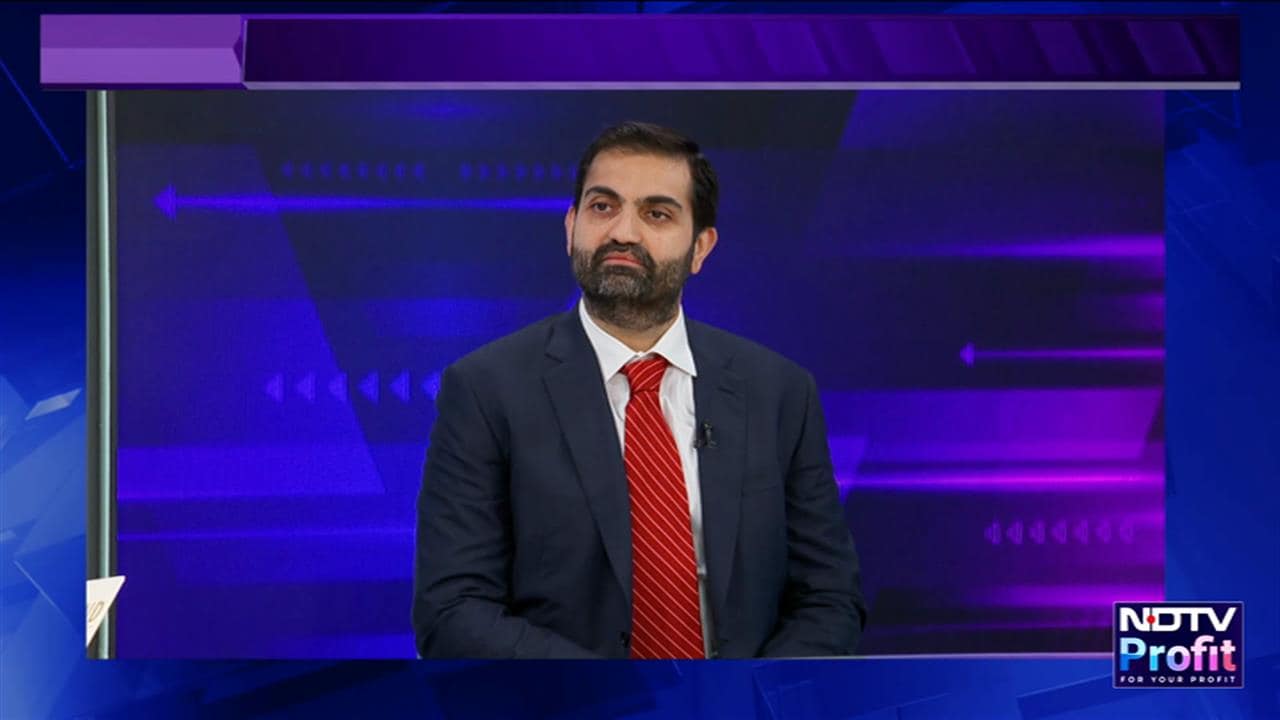
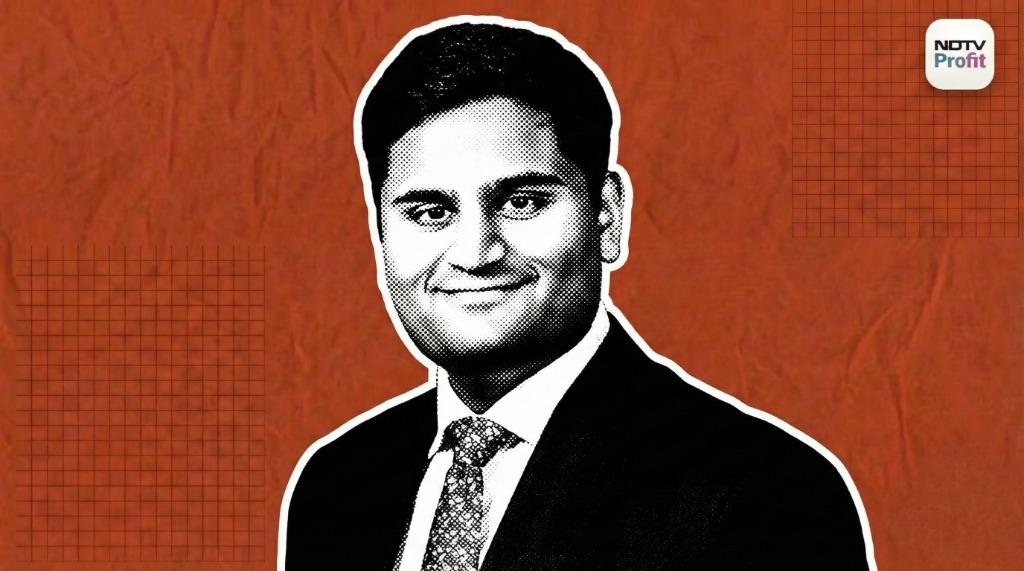
Adani Airports Holdings, which has co-developed the airport under a Public-Private Partnership (PPP) with CIDCO, has built the Navi Mumbai International Airport with a focus on affordability and is targeting a demographic that ranges from first-time flyers to corporate travelers, said Jeet Adani, Director of Adani Airports, in an exclusive interview with NDTV Profit.
Jeet Adani revealed that the new facility emphasises a curated passenger experience and the entire airport has been meticulously designed to meet the needs of an average Indian flyer.
"We've really thought through the design, the elements that have gone in to building the airport," Adani said. "From the food to the art to the hospitality - everything has been carefully curated, keeping in mind our passengers."
Adani Group Plans $15 Billion India Airports Expansion By 2030Navi Mumbai Airport: Some Initiatives
Adani Airports has tried to address the linguistic barrier, particularly of those who are flying for the first time and may not speak too many languages. As such, the airport has implemented a location-specific digital signage.
Displays will present destination names in the local language of the city the passenger is travelling to. "The airport is here to cater to all passengers," Adani said.
Several operational changes were also made to lower costs for travelers, particularly in the food court. Jeet Adani explained that the new airport will offer food and snacks at reduced prices, having cut the middlemen.
Operational changes were also made to lower costs for travellers. Adani noted that the airport bypassed traditional supply chain middlemen, dealing directly with chefs to manage food pricing. As a result, staples like Vada Pav will be sold for 80 to 100 rupees.
“We've cut all the middlemen and gone directly to the chef. We were able to price a Vada Pav, for example, at a decent enough price of Rs 80-100," he concluded.
From cheap meals to Michelin Star restaurants, the Navi Mumbai airport will cater to all socio‑economic segments.
Moreover, Navi Mumbai International Airport will also become future‑proof transport node, thanks to accessibility through road, metro, suburban rail, monorail, high‑speed rail, VTOL/EVTOL, and water taxis.
Air India Express To Commence Flight Services From Navi Mumbai Airport From Dec 25Essential Business Intelligence, Continuous LIVE TV, Sharp Market Insights, Practical Personal Finance Advice and Latest Stories — On NDTV Profit.