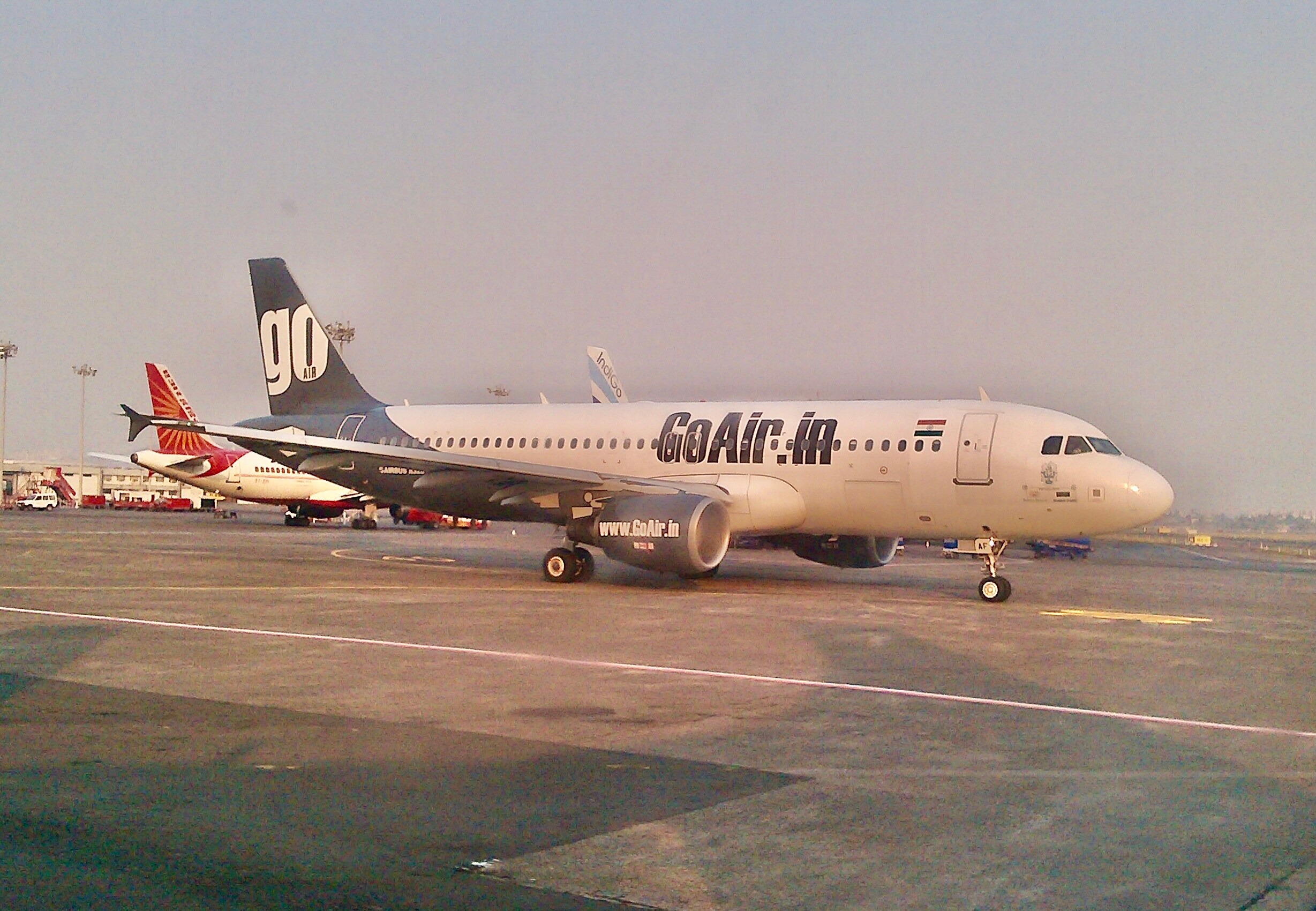
The Ghost of May just arrived and brought bad news for Indian aviation yet again. After seeing Jet Airways grounded in May 2019 and all airlines grounded for an extended time in the period after Covid-19-related groundings, one airline that couldn't find its mojo again, among others, was GoAir, or as they now call themselves, Go First.
Go Air first took off in 2005, 10 months before the birth of IndiGo, which is India's largest airline by fleet and market share. However, in a business that needs a flywheel effect to take off, Go First remained a bit player for a long time. At times, it looked like a differentiated strategy to grow in a controlled manner when the peers were adding an aircraft a week, but in the long run, that clearly did not work out. The airline also did not have stable management at the top, with the chief executive officers arriving and departing within months for a long time.
Engine Selection To Blame For Current Troubles
But Go First's problems have nothing to do with itself. When you place an order for an aircraft, you also have to place an order for the engines separately. In some cases, there is only one option on the engine, but in other cases, there may be two or even three companies offering engine options.
Also Read | Layoffs Are Rising In Tech, But These Skills Are Helping People Unlock Better Pay
In the case of Go First, the airline decided to go for Pratt & Whitney's Geared TurboFan engines. Their other option would have been to go to CFM, which is a joint venture between GE Aviation and Safran. IndiGo also signed up for the GTF engine for a part of their A320 family fleet. The GTF engine was a newer technology and more promising at the time these airlines were tying up their contracts.
However, Go First and IndiGo both suffered multiple in-flight shutdowns of their A320neos in 2016 and 2017. After witnessing these issues, IndiGo went with CFM when the time came for their next engine contract. However, for Go First, Pratt & Whitney is their sole engine supplier. The engine manufacturer "hoped" that within this year they would be able to supply enough engines to Indian airlines to regularise their operations by the end of FY23. However, clearly more could be done.
Both Go First and IndiGo have about 25 aircraft, each grounded at the moment. For IndiGo, that is about 10% of their fleet. They have managed to take the edge off the issue with better utilisation of their existing aircraft and even gone for some maverick solutions, such as a wet lease of aircraft from Turkish Airlines. However, for Go First, about half their planes are on the ground, which means the airline is operating with a handicap. The airline claims it has a contract with PW, and the engine maker has delayed providing spare engines in spite of their winning an arbitration award in Singapore. PW maintains that the case is sub judice, and hence they won't comment.
The Money Tap Ran Dry
Go First earned itself notoriety over the months for flying an unreliable schedule. The airline hoped to find funds for an infusion through an IPO, which was shelved—they even rebranded hastily to Go First. The airline has seen an injection of Rs 3,200 crore over the past three years from the promoters, apart from an infusion of Rs 600 crore from the Emergency Credit Line Guarantee Scheme of the government of India. Recently, some lessors started withdrawing their aircraft from the airline as well.
The airline's operations are currently being shut down fully between May 3 and 5. However, customers cannot book a ticket to fly on Go First until May 15, according to the airline's website. The airline filed for resolution under the Insolvency and Bankruptcy Code on May 2. If the voluntary application is accepted by the NCLT, that would mean that an Interim Resolution Professional and a committee of creditors would take charge of running affairs at the airline.
It is hoped that Go First will resume under the IRP and that the airline will remain a going concern. But ultimately, someone will have to infuse funds to keep the operations going, and no one has stepped up so far. Once grounded, we have seen how, four years down, Jet Airways has still not come out of the same process it went into in May 2019.
What About The Customers?
For customers, it looks like a hot summer for their vacation fares. Airlines are in the post-Covid-19 boom phase right now, where high fares have not discouraged people from travelling and airlines are operating with 90% load factors on domestic sectors day after day. That means there is hardly any space left on existing flights, and the last seats they might want to buy now would come at a big price. We need to see how prolonged the situation is and where the government steps in to make things better for customers.
For Go First customers, the airline has promised them a refund to their original source of payment if their plans are affected due to the cancellations on May 3-5, or longer. But if those payments are not forthcoming, just like the salaries of some people who work at the airline, then call your credit card issuer and lodge a chargeback request soon!
Ajay Awtaney writes about aviation and passenger experience at LiveFromALounge.com, and Tweets at @LiveFromALounge
The views expressed here are those of the author, and do not necessarily represent the views of BQ Prime or its editorial team.
Essential Business Intelligence, Sharp Market Insights, Practical Personal Finance Advice, Daily Fuel, Gold and Silver Prices and Latest Stories — On NDTV Profit.