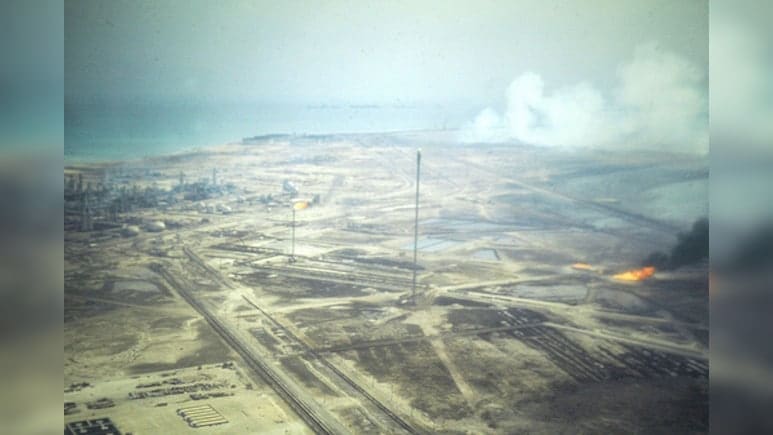
Saudi Arabia's Ras Tanura refinery, one of the world's most important oil processing hubs was struck again on Wednesday, said an official spokesperson for the Ministry of Defense. The attack was carried out by an Iranian drone but did not result in any damage.
This comes after the oil processing hub experienced a limited fire on Monday morning after debris from intercepted drones fell in its vicinity. The refinery had shut operations after the drone attack.
المتحدث الرسمي لوزارة الدفاع: التقديرات الأولية تشير إلى ان الهجوم كان بمسيّرة ولم ينتج عنه أضرار. pic.twitter.com/ya8L0eCUUu
Also Read | Layoffs Are Rising In Tech, But These Skills Are Helping People Unlock Better Pay
— وزارة الدفاع (@modgovksa) March 4, 2026
The episode marks an escalation on the third day of strikes across the region launched by Tehran in response to the US-Israeli attack on Iran that began on Feb. 28.
Strategic Hub For Saudi Oil
Saudi Aramco's Ras Tanura facility is the company's oldest and one of its most technically advanced refineries. It has the capacity to process up to 550,000 barrels of crude oil and condensates each day. According to Reuters, the Ras Tanura complex, located along the kingdom's Gulf coast, is one of the Middle East's largest refineries. It also functions as a critical export terminal for Saudi crude.
The refinery plays a vital role in supplying transport fuels, especially diesel, to international markets including Europe, while also producing smaller volumes of petrol. Near the refinery lies Aramco's largest crude export terminal, equipped with vast storage tanks, port berths and offshore loading facilities.
The refinery is integrated with the Ras Tanura Port, widely recognised as the world's largest crude oil export terminal. From here, Saudi oil shipments are dispatched to Asia, Europe and the United States, highlighting the site's importance not only to the kingdom but to global energy flows.
Essential Business Intelligence, Sharp Market Insights, Practical Personal Finance Advice, Daily Fuel, Gold and Silver Prices and Latest Stories — On NDTV Profit.