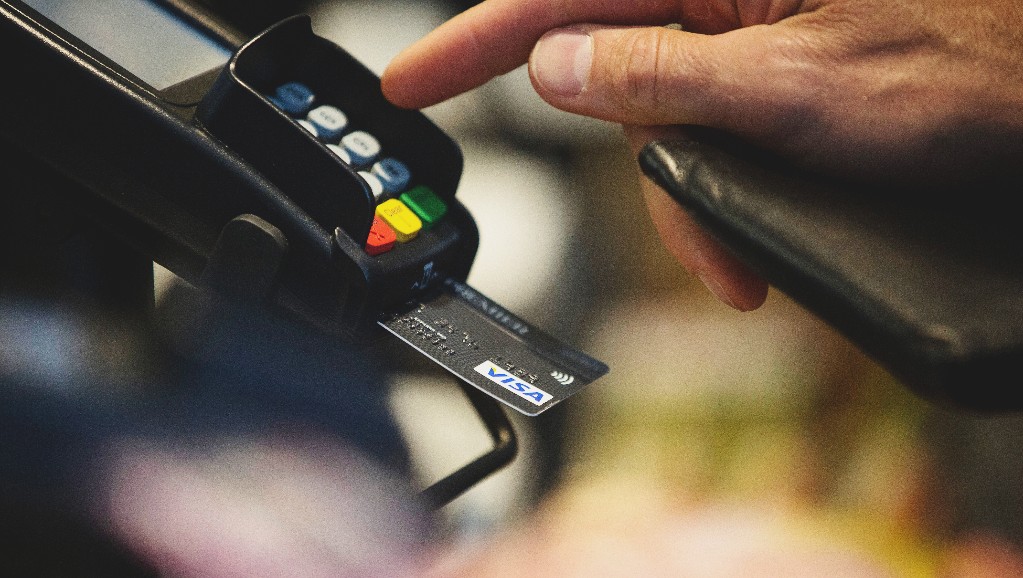
WannaCry, Petya or NotPetya, every few weeks a new cyber security attack is reported around the world. Most people react in one of the two ways. The carefree internet user continues to surf the internet, make digital payments, communicate using mails and chats and download favourite shows and songs. The wary ones become selective.
The cautious approach seems justified, considering the number of data breaches in India over the last few years. In once such case, State Bank of India Ltd. blocked debit cards of six lakh customers on October 14 after the bank was alerted to a possible fraud. The National Payments Corporation of India suspected that this was just the tip of the iceberg, and pegged the number of compromised cards at 32 lakh across 19 banks.
One of India's biggest card manufacturers, Manipal Technologies, says it has a genuine solution to the plastic problem: the Virtual Card.
What Is Virtual Card?
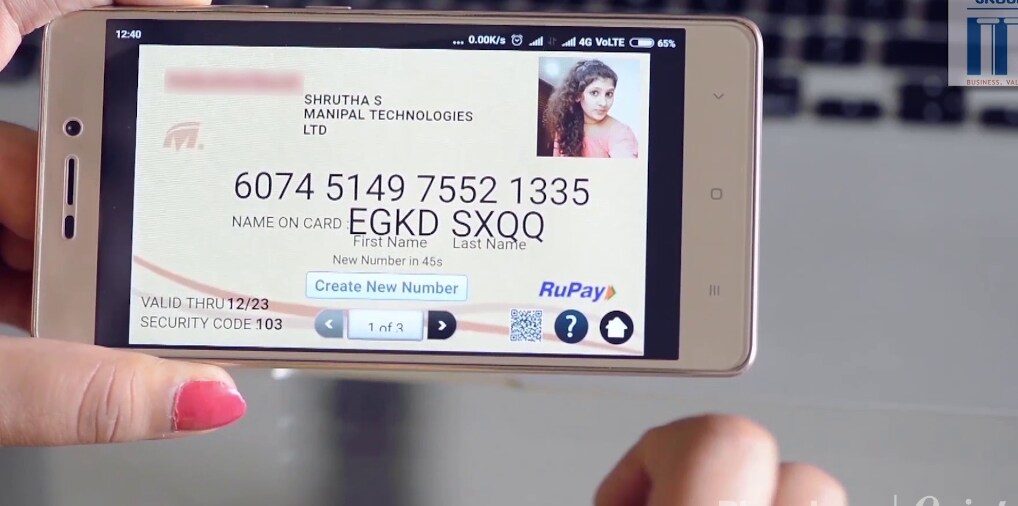
Virtual Card is a patented software solution that generates a unique credit/debit card number for each transaction. This reduces the risk of payment fraud by removing all confidential and sensitive card data from the payment ecosystem. The best part about the solution is that it doesn't need the internet to generate the dynamic number and can work seamlessly offline.
It is ideal for both internet based e-commerce transactions as well as the rapidly growing “contactless” point-of-sale transactions. The Virtual Card number is generated at the click of a button and subsequently submitted for payment processing. The rest is similar to any other debit or credit card transaction.
How Does It Work?
A sensitive card number is replaced with a dynamic one, which only works for a single transaction. It's a random set of numbers based on a patented algorithm and cannot be traced back to the real card. The original or physical card number stays with the bank.
“As for the data, Manipal Technologies doesn't have any access to the information,” Alok Gupta, president of software services at Manipal Technologies, told BloombergQuint at the Citi TechForIntegrity Challenge.
Is This Like Samsung Pay?
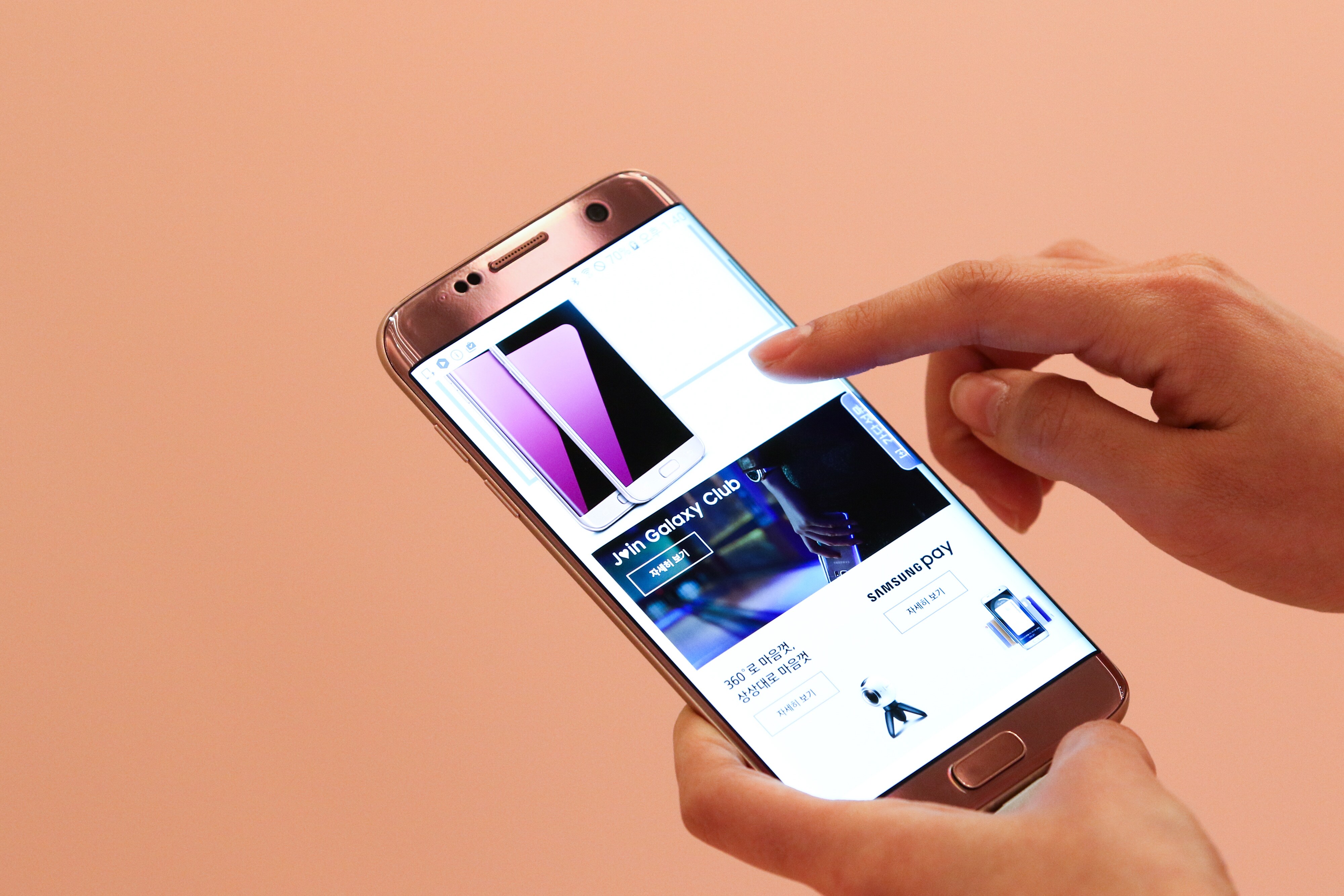
No, it's a little different. Samsung Pay is a mobile payment service offered on select Samsung phones. It uses magnetic secure transmission and near-field communication technologies to replicate physical card transactions by using your smartphone. Virtual Card can work on your smartphone, desktop or laptop and generates a new card number for each transaction.
From Plastic To Virtual?
Manipal Technologies is one of the country's largest manufacturers and issuers of cards in the country with nearly 400 million cards already circulating in the market. Will a virtual card solution not hurt its own business?
“Every blockbuster product has a cycle. So, cards today are being touted as one of the channels to make payments. Tomorrow that may not be the case. And we need to be there when this technology changes. Before someone else does it, let me do it,” says Ashwin Shenoy, the company's regional sales manager.
Essential Business Intelligence, Continuous LIVE TV, Sharp Market Insights, Practical Personal Finance Advice and Latest Stories — On NDTV Profit.