Rs 50-Lakh Gold In Bank Locker, Rs 3 Lakh Of Protection: The Gap Most Families Don't Know About
The RBI ties a bank's liability to the annual locker rent and families who want to insure their jewellery face a separate question about how to prove what was inside.
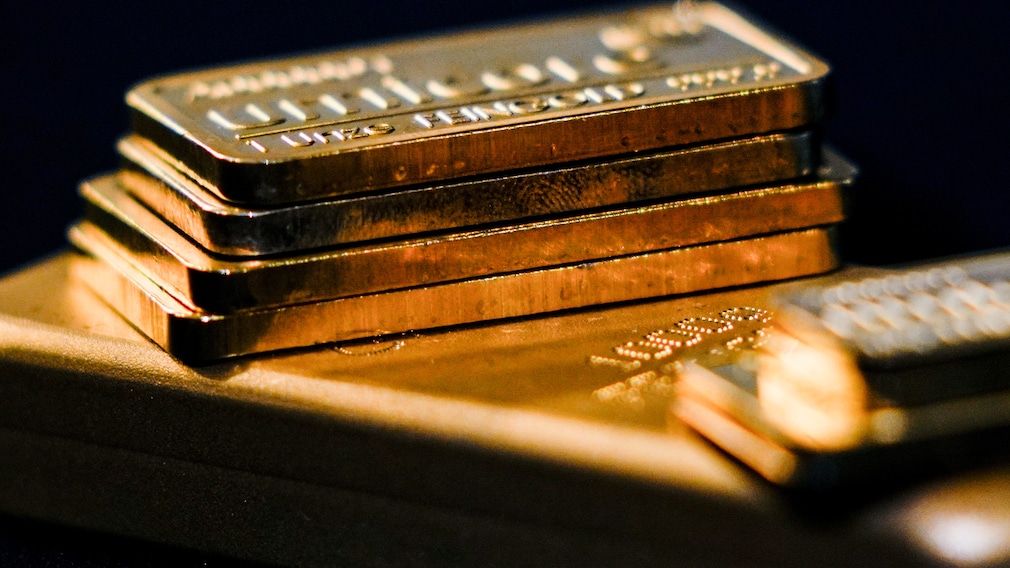
Suppose your family pays Rs 3,000 a year for a bank locker holding Rs 50 lakh in jewellery. A lapse in the bank's security lets burglars empty it. Under Reserve Bank of India rules, the bank's liability comes to Rs 3 lakh. Without separate insurance, that leaves your family Rs 47 lakh short.
The figure comes from your rent receipt. For a theft attributable to the bank's negligence, the RBI sets its liability at 100 times the prevailing annual locker rent. You could put another bridal set in the locker tomorrow and the bank would owe exactly the same amount. To cover the value of the jewellery itself, you can buy a separate policy from an insurer.
Consider how much gold Rs 3 lakh would replace. At the India Bullion and Jewellers Association's November 25 closing rate of Rs 1,10,871 per 10 grams for 22-carat gold, it would buy about 27 grams before making charges and GST.
What the bank knows about your locker
The bank records who enters the vault. Under RBI rules, the officer who unlocks the first lock must then step away to give you privacy. The branch can confirm when you visited. It keeps no inventory of the bangles you put back or the necklace you took home.
The cause of the loss matters, too. The 100 times rent rule also applies to losses from events such as a fire caused by a lapse at the bank or fraud by a bank employee. A loss caused by an earthquake or solely by the customer's negligence falls outside that rule. The RBI also bars a bank from selling its locker customers insurance for the contents.
What would it cost to insure Rs 50 lakh?
There is a basis for that figure. A locker insurance tariff published in 2019 priced cover above Rs 40 lakh at 60 paise per Rs 1,000 insured. On Rs 50 lakh, that worked out to Rs 3,000 a year before GST.
The paperwork is worth checking before you pay. One publicly available proposal form requires an itemised list for cover of Rs 30 lakh or more. The accompanying brochure calls for a valuation report if the total exceeds Rs 40 lakh or a single piece is worth more than Rs 10 lakh. Those thresholds are specific to that policy.
Where the jewellery goes matters, too. The same policy covers burglary at the locker and excludes unexplained disappearance. If you take a necklace out for a wedding and someone steals it on the way home, the locker policy does not cover that loss.
Now consider the piece most likely to come without a bill: your grandmother's bangles. The claim form asks you to describe each missing item and give its quantity and value. Before you put the bangles away again, ask the insurer one question in writing. If these were stolen, what would you accept as proof of what they were worth?
ALSO READ: Your iPhone Costs 12 Grams Of Gold, A Car About 100. What Does Your Life Weigh?
What to check before you buy
The policy is not a formality, and the fine print matters:
Declaration: Up to a limit, a self-declaration of contents is enough. If any single item is worth more than Rs 10 lakh, or the total cover exceeds Rs 40 lakh, a valuation report from a government-approved valuer is required.
Documentation: Keep purchase bills, hallmark certificates and photographs of what sits in the locker. A claim without proof of contents is a difficult claim.
Exclusions: Read what is not covered. Losses from mysterious disappearance, or items not declared, are the usual disputes.
We insure the car, the phone, the house, our own lives. And we leave the single most valuable thing most Indian families own sitting in a box with a Rs 3 lakh promise on it. For the price of a dinner out, that is a strange risk to carry.
The RBI's rule is not going to change. The locker is not going to get safer. The only variable a family controls is whether the gold inside it is insured.
Most of it, today, is not.
ALSO READ: Gold, Silver Crash: Is It Over Or More Correction Is Expected?
-
The More Food Turns Into Fuel, The Harder It Is To Read Agricultural Markets | The Reason Why

A policy designed to reduce dependence on imported fuel can create new pressures elsewhere in the food economy.
-
Your iPhone Costs 12 Grams Of Gold, A Car About 100. What Does Your Life Weigh?
Measured in rupees, almost everything looks more expensive than it did a generation ago. Measured in grams of gold, a lot of it has become cheaper.
-
Gold Is Rs 22,000 Cheaper Than A Month Ago. Should You Buy Amid The Wedding Season?
Gold's potential slide to $3,500 could save around Rs 4,700 per 10 grams, but a soft inflation print could just as easily push prices back up. One way to split the risk is to buy in parts, some now and the rest after the Fed's Dec. 9 decision.
-
AI Agents Are Gaining Power. Who Governs Them?
Artificial intelligence agents promise to transform productivity by moving machines from assisting decisions to executing them. But as organisations delegate greater authority to these AI-agents, they must first establish who controls that authority and who remains accountable when things go wrong.
-
Why Swapping Your Old Gold Can Trigger A Rs 5 Lakh Tax Bill, And How You Can Avoid It Legally
Swapping old gold for new is taxed as a sale and a fresh purchase. Getting your own gold remade can cut most of that bill, though it has its own costs.
-
The AI Trade is Done. The Real Opportunity for Investors Starts in 2027 | Unhedged Position
As pureplay AI stocks plunge and circular, capex-led financing unwinds, 2027 is set to be a year of reckoning for AI companies. Yet the bust clears the way for a better opportunity for investors in 2027 -- shifting the spotlight from AI builders to the companies using AI.
-
Leadership As Mission: Why The Age Of AI Demands More Human Leadership
Debjani Ghosh examines how AI is changing leadership, arguing that its success must be measured by its impact on people and the accountability of those guiding its use.
-
We May Need Another Tukaram Mundhe To Fight Air Pollution | The Reason Why
Developers may install basic measures such as sprinklers and green nets, resume work, and continue violating rules when this equipment stops working.
-
Extracting Value From Battery Scrap Could Be Challenging For India | The Reason Why
A discarded lithium-ion battery still contains valuable materials such as lithium, nickel and cobalt. These can be recovered and reused. When such batteries are crushed and shredded, they produce a dark powder called black mass.
-
One El Nino, India Can Handle. Two Could Break The Granary
India's grain stocks can absorb one bad year, but a second El Nino could drain the buffer in two to three years, economists say.









