Ready-To-Move Vs Under-Construction Property: What Should Homebuyers Choose?
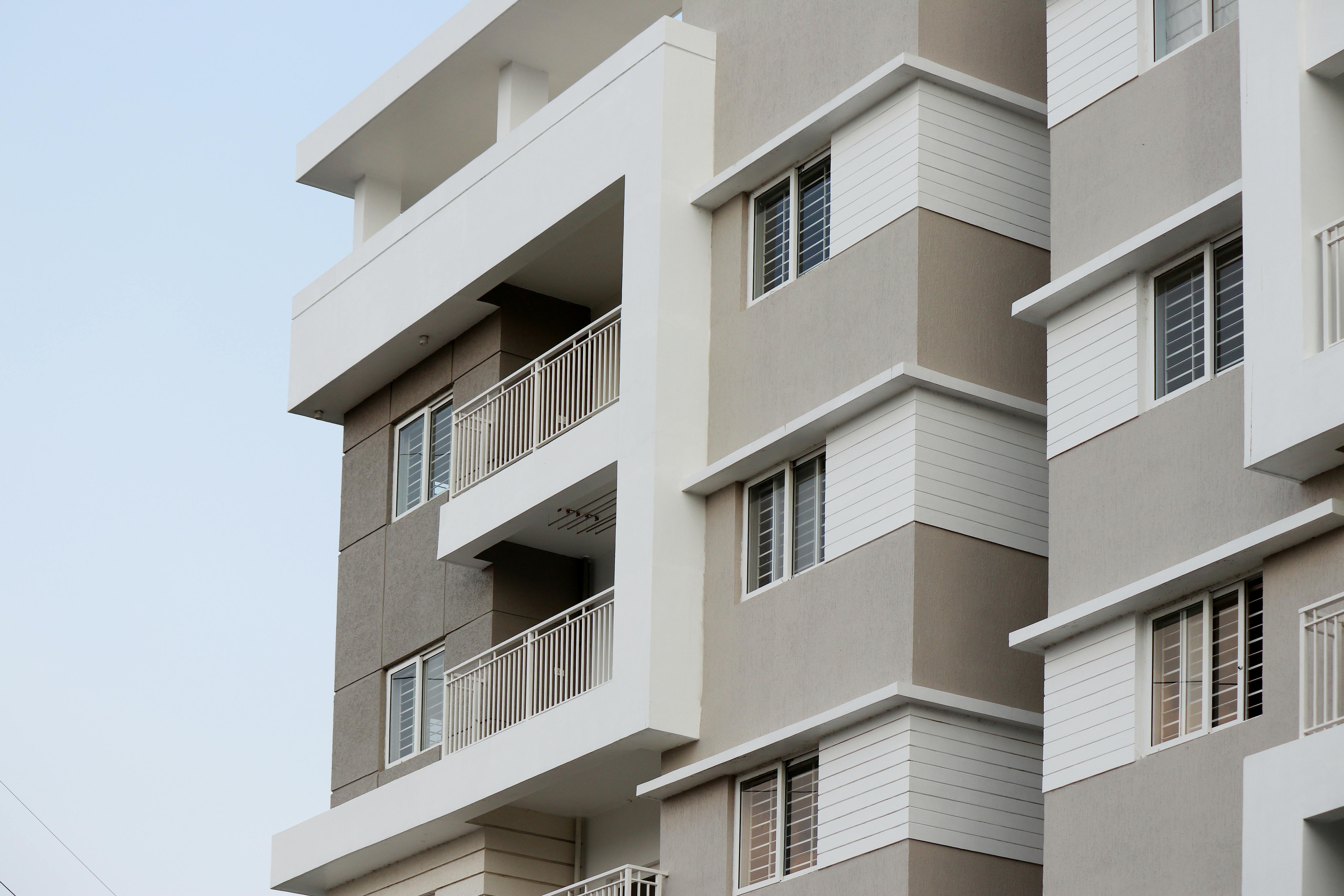
Buying a home is the biggest financial decision for most people. Among the first choices a buyer must make is whether to go for a ready-to-move-in property or one that's under construction.
Both options have their advantages and drawbacks, and the final decision often depends on personal preferences, financial goals and risk appetite. If you are looking forward to availing a home loan for buying a residential property, the loan structure could also significantly vary for a ready-to-move-in property and an under-construction flat.
Ready-To-Move Homes: Convenience And Certainty
A ready-to-move-in property is exactly what the name suggests — a home that is fully constructed and available for immediate possession. For many buyers, this option offers peace of mind. You get what you see. There are no construction delays, no uncertainties around the final layout and no temporary rental expenses while waiting for the project to finish.
These properties are particularly attractive to end-users who want to move in quickly. They're also easier to evaluate in terms of quality, neighbourhood infrastructure and amenities. Also, since there is no waiting period, you start saving on rent immediately if you were previously a tenant.
However, ready homes tend to be more expensive than under-construction properties in the same area. Also, you might have fewer options to choose from when it comes to layout or customisation. The initial payment is higher and you must be prepared with a larger corpus upfront, especially if the property is not new and lacks staggered payment options.
Under-Construction Homes: Affordability With Risks
Under-construction homes are usually priced lower compared to ready-to-move-in homes, offering a more affordable entry point for buyers. Payment plans are usually linked to construction stages, making it easier to manage finances over time. For long-term investors or first-time buyers who can wait, these projects are an attractive option.
Also, you may have the flexibility to choose your preferred floor plan, view or direction. Some developers even allow basic customisations during the construction phase.
But this affordability comes with risks. Project delays are common, especially if the developer lacks a strong track record. Regulatory approvals, funding issues and even economic slowdowns can cause possession timelines to stretch, leading to financial stress. It's important to check if the project is registered with RERA and whether the builder has delivered previous projects on time.
Considerations Before Deciding
Purpose of purchase: If you're buying a house to live in immediately, a ready-to-move-in property is often the safer bet. If it's an investment for the future, under-construction properties might yield better returns.
Financial readiness: Do you have the funds for a lump sum payment? Or would you prefer staggered payments linked to construction? Home loan amount and repayment structure could also significantly differ depending on the construction status of the property.
Risk appetite: Are you comfortable taking on the uncertainty of delays and changes in project plans?
Due diligence: Always research the builder's reputation, check legal clearances and verify RERA registration.
Overall, there is no one-size-fits-all answer. Ready-to-move homes offer security and immediate utility, while under-construction homes provide affordability and long-term value. Evaluate your financial situation, timeline and comfort level with uncertainty before making your choice.

-
Swiggy vs Eternal: Food Delivery's Two Rivals Are No Longer In The Same Race

Eternal is building a private AI assistant, dark.ai. Swiggy is still working out how to make Instamart pay, with an operating loss of Rs 895 crore in the July-September quarter while Blinkit stayed profitable.
-
Where You Live Shapes How You Get To Work | The Reason Why
Two-wheelers are the most popular way to get to work in India, accounting for nearly 43% of workplace commutes.
-
High US Salaries, No Green Card Certainty: The Financial Calculation Facing Indian H-1B Families
The suspension of PERM processing at eight technology employers does not cancel existing H-1B visas. What it does is force a question many Indian families have been avoiding: is the US salary worth tying your career and family plans to one employer?
-
Unhedged Position: Can India See An Indonesia-Style Time Correction?
The Nifty is trading below levels it first clocked in 2024. Is there, then, as I have suggested in the headline, potential that the current time correction drags on painfully for the next three-five, even ten years?
-
Navigating Friction And Energy Realities: An Analysis Of Marco Rubio's October Visit To India
Occurring at a critical juncture marked by stalled trade negotiations and escalating geopolitical pressures over global energy supplies, the visit offers a profound window into modern US-India relations.
-
India Exports Capital. Why Not Export Trusteeship?
The big question, then, is whether India can build an institution that global borrowers, investors, banks, and lawyers can trust, even without an Indian connection.
-
France's Economy & Politics Are In Crisis | The Reason Why
Let's look at how the French economy and politics evolved under Nicolas Sarkozy, Franois Hollande and Emmanuel Macron.
-
You May Inherit The Business. You Must Earn Its Credibility.
Succession tests the founder's ability to share authority as much as it tests the next generation's readiness to assume it.
-
Signing Deals Is One Thing; Making Them Work Is Another | The Week In Whys
Sometimes, things don't turn out as planned. Indian companies have lost some bids to rivals, some projects won't produce until 2030.
-
FOMC Wall, PERM Suspension, Hospital Stocks | Talking Points This Week
A PERM suspension would directly affect green-card sponsorship rather than H-1B visas, so the near-term earnings impact could remain relatively limited. The key question is whether this marks a new phase in US scrutiny of Indian IT.









