Rainy Season, Wet Wallets: Are Monsoon Appliance Buys Budget-Friendly or Impulse Traps?
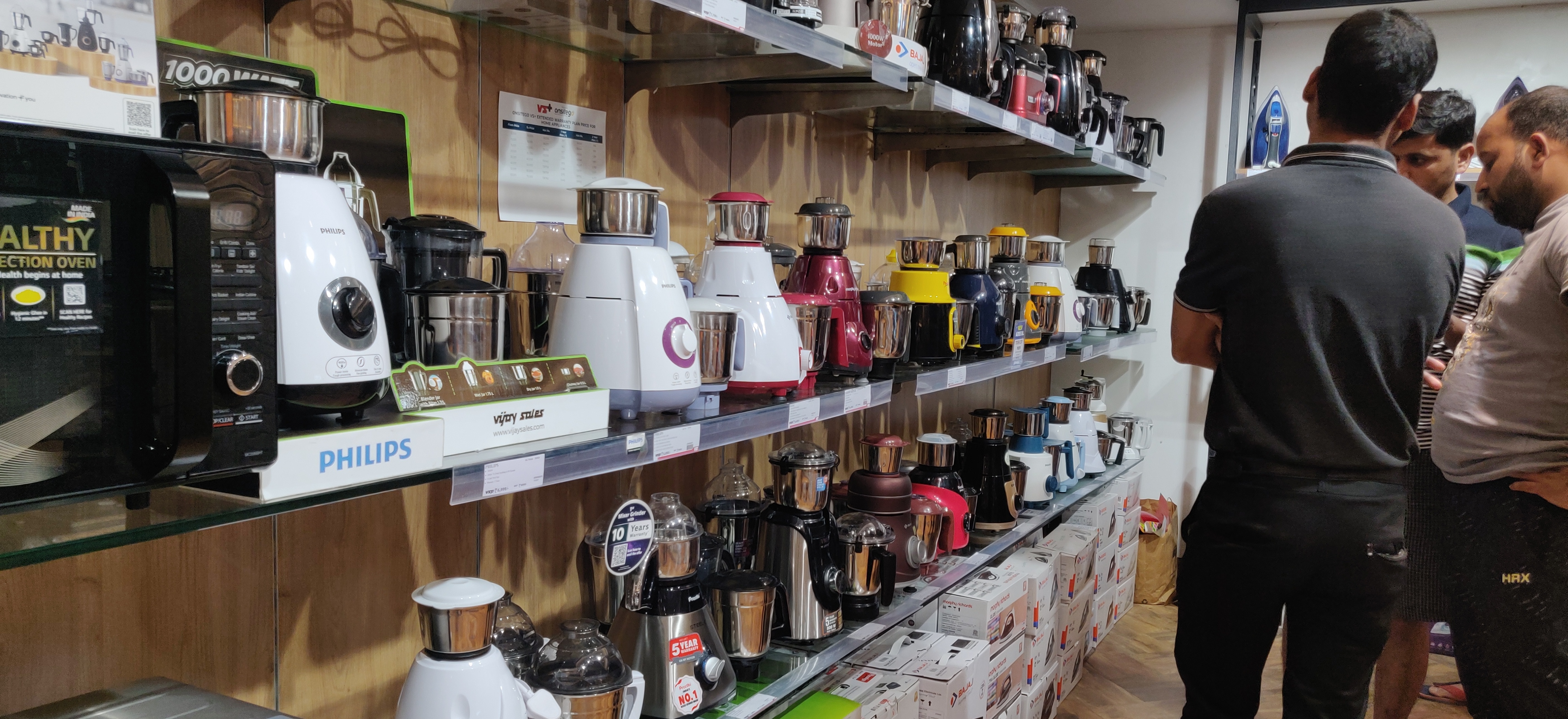
The monsoon season usually sees a rise in demand for rain-friendly appliances like water heaters, dryers, and dehumidifiers. While these products add comfort and convenience, they can also impact your budget.
If you are looking to invest in monsoon-ready appliances, it is important to consider not just the price, but also factors like warranty, service availability, and maintenance costs to ensure you are getting value for your money.
A top-rated dehumidifier can cost at least Rs 10,000 on e-commerce platforms such as Amazon and Flipkart. An affordable-segment water heater can also cost at least Rs 5,000 or more, depending on energy efficiency rating and storage capacity. Therefore, when purchasing these appliances, it's important to look beyond just deals and discounts—focus on long-term value, including durability, efficiency, and ease of maintenance.
Before getting lured by discounts on monsoon appliances, here's how to assess if your purchase will be worth it:
1. Compare the appliance on multiple sites: Companies have monsoon sales from June to August, offering heavy discounts on several appliances. Reliance Digital, Flipkart, Amazon, Croma and others offer the convenience of digital shopping, which one can use to compare deals and prices.
2. Check for return policy and warranty: Compare the warranty period offered by different brands, as these appliances are meant for medium- to long-term use. A minimum 15-day return policy is preferable as it allows buyers to test the appliance for any issues and check their compatibility. Try to get appliances which have at least one-year warranty period. This will allow you to claim a refund or exchange, in case of damage or functional defect.
3. Usage: These days, most appliances come with energy ratings that help buyers estimate electricity usage. A higher rating indicates more energy efficiency. Hence, it is advisable to compare models with different star ratings based on your usage requirement.
4. Maintenance cost: Consider long-term maintenance costs. Products like dryers and dehumidifiers may need frequent servicing or filter replacements. This may lead to additional costs in the long run.
Discounts and offers on monsoon appliances often seem too tempting to pass up. However, it is wise to evaluate whether you really need the product, else overspending or impulse purchases, especially if made on credit cards, potentially increase your debt burden in the long run.

-
Midterm Rally Lasted A Day. The Hard Reality Of A Divided US May Last Two Years | Opinion

Between a contested AI boom, a debt ceiling that arrives in 2027 and a president with every incentive to act alone, the next two years may prove more volatile than the first day's rally suggests.
-
Blue Wave Will Derail the AI Trade but Won't Dismantle the AI Era | Unhedged Position
The Democrats' sweep of the US Congress will see politics collide with economic forces both over the long and short term.
-
It's Time To Take The GST Council's Bet On Trust Global
Payment records can prove India's services exports, and clear, proportionate rules can bring foreign digital sellers into the tax net.
-
Opinion | India at 38: From Innovation Overperformer to Innovation Powerhouse
India now has 453 VC-backed deep science startups, 18 of them late-stage, after 117 percent growth since 2020. Laurus Labs, at USD 9.3 billion, is the most valuable deep science company in any middle-income economy outside China.
-
Navigating Energy Crossroads: S Jaishankar's Call For Diversified Supply Chains At G20 Ministerial Meeting
As geopolitical fault lines continue to test maritime trade routes and commodity flows, Jaishankar's message remains pertinent: true economic resilience requires open markets, protected transit lines, and a genuine commitment to multilateral cooperation rather than coercion.
-
Indians Are Travelling, But Not Every Journey Is A Holiday | The Week In Whys
Pilgrims, patients and working women are the real travellers, and the system hasn't quite caught up with them.
-
Getting To Work Costs Women More | The Reason Why
It is not just about women paying more than men. It is about women paying much more in cities than in villages.
-
AI Bias In Investing Cannot Be Eliminated, But It Can Be Governed
Framing is a particularly important example as identical financial information presented in terms of gains rather than losses can lead an LLM to reach a different assessment.
-
Joining The Dots | Dark Skies, Steady Diya: Why Hope Holds This Diwali
With war, a weak rupee and foreign outflows weighing on sentiment, policymakers at the NDTV World Summit and market veterans at NDTV Profit Ignite: Diwali Edition offered the same advice: stay invested and filter out the noise.









