Have A Middle-Class Mindset? Here’s Why It May Not Be Good For Your Money
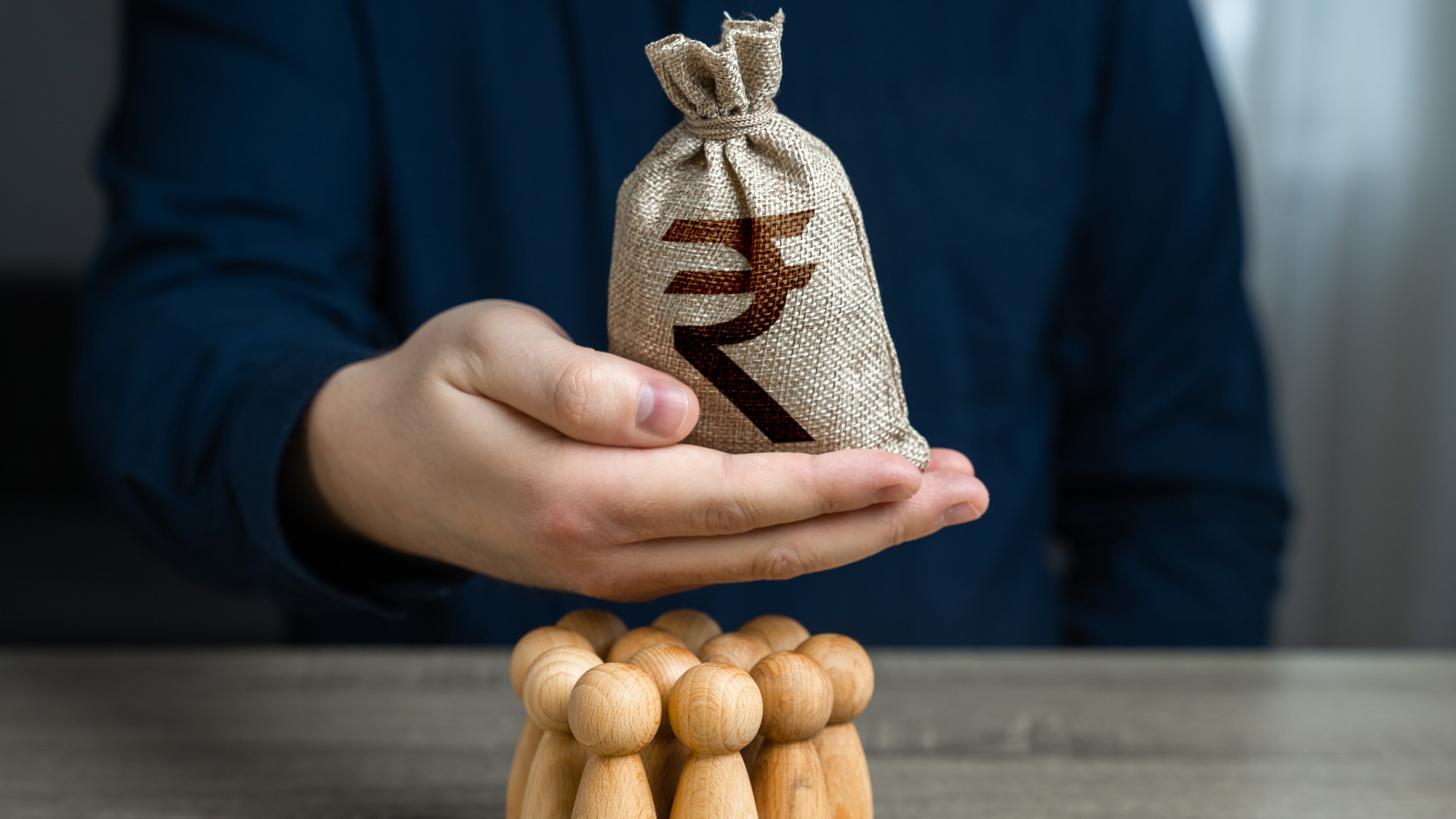
For decades, the Indian middle class has symbolised aspiration, stability and a strong work ethic. While these values have long defined a generation, the traditional middle-class mindset could be holding you back financially in today's fast-evolving economic landscape.
Here's why it might be time to re-examine your money beliefs and how shifting your mindset can lead to better financial outcomes.
Playing It Too Safe Can Backfire
The middle-class approach to money often prioritises safety — think fixed deposits, gold and life insurance policies. While this risk-averse attitude protected previous generations during uncertain times, relying solely on these instruments may no longer be enough.
Inflation today can silently erode the real value of your money. Fixed deposits, for instance, might offer a 6-7% return, but with inflation hovering around the same mark, your actual gain is minimal. Instead, diversifying into mutual funds, equities or even REITs (Real Estate Investment Trusts) can help you stay ahead.
Avoiding Debt Isn't Always Smart
Many middle-class households grow up hearing that “debt is bad”. While avoiding unnecessary loans is sound advice, not all debt is harmful. In fact, strategic borrowing, like a home loan that offers tax benefits or an education loan that unlocks higher earning potential, can be a stepping stone to wealth creation.
What matters is not avoiding debt entirely but managing it wisely. Learning the difference between good debt (which creates value) and bad debt (like high-interest credit card dues) is important.
Job Security Is No Longer Guaranteed
Traditional middle-class thinking often revolves around getting a secure job, staying loyal to a company and retiring with a pension. In today's gig economy, job security is no longer what it used to be.
Sticking to one income stream can be risky. A sudden layoff or medical emergency can derail your finances. Instead, building multiple income sources — side hustles, freelancing or passive income through investments — provides a safety net and accelerates wealth building.
Saving Is Good, But Investing Is Better
Saving alone won't make you rich. The middle-class habit of saving diligently without investing delays wealth accumulation. Money lying idle in a savings account earns little interest and misses out on the power of compounding.
By contrast, investing early in SIPs (Systematic Investment Plans), stocks or retirement funds helps your money grow over time. The earlier you start, the less you need to invest monthly to achieve the same goals.
Status Symbols Drain Wealth
There's often pressure in middle-class circles to “show success” — be it through buying a new car, a lavish wedding or a large house. While some of these may be emotionally satisfying, they can also be financially draining if not backed by solid planning.
The goal should be financial independence, not external validation. Instead of focusing on looking rich, focus on being rich through assets, not liabilities.
In conclusion, there's nothing wrong with being middle class, but being stuck in a middle-class mindset can prevent you from unlocking true financial freedom. Rethink your approach to risk, debt, income and wealth creation. In a world where opportunities abound for those who are financially savvy, adopting a growth mindset may be the smartest investment you ever make.

-
It's Time To Take The GST Council's Bet On Trust Global

Payment records can prove India's services exports, and clear, proportionate rules can bring foreign digital sellers into the tax net.
-
Opinion | India at 38: From Innovation Overperformer to Innovation Powerhouse
India now has 453 VC-backed deep science startups, 18 of them late-stage, after 117 percent growth since 2020. Laurus Labs, at USD 9.3 billion, is the most valuable deep science company in any middle-income economy outside China.
-
Navigating Energy Crossroads: S Jaishankar's Call For Diversified Supply Chains At G20 Ministerial Meeting
As geopolitical fault lines continue to test maritime trade routes and commodity flows, Jaishankar's message remains pertinent: true economic resilience requires open markets, protected transit lines, and a genuine commitment to multilateral cooperation rather than coercion.
-
Indians Are Travelling, But Not Every Journey Is A Holiday | The Week In Whys
Pilgrims, patients and working women are the real travellers, and the system hasn't quite caught up with them.
-
Getting To Work Costs Women More | The Reason Why
It is not just about women paying more than men. It is about women paying much more in cities than in villages.
-
AI Bias In Investing Cannot Be Eliminated, But It Can Be Governed
Framing is a particularly important example as identical financial information presented in terms of gains rather than losses can lead an LLM to reach a different assessment.
-
Joining The Dots | Dark Skies, Steady Diya: Why Hope Holds This Diwali
With war, a weak rupee and foreign outflows weighing on sentiment, policymakers at the NDTV World Summit and market veterans at NDTV Profit Ignite: Diwali Edition offered the same advice: stay invested and filter out the noise.
-
The Curious Case of Equitas Small Finance Bank And A CEO Who Quit For Stock
PN Vasudevan believes persistent investor concerns over a perceived conflict of interest had become a governance overhang on Equitas Small Finance Bank's stock, even as the lender improved profitability and asset quality.
-
Talking Points This Week: AI Cash Burn, A Tiger Comeback And An India That Still Finds Its Own Path
India is not immune to higher oil or tighter global liquidity, yet its earnings base is broader, its domestic policy levers are still available.










