EPFO: Seven Key Things Gen Z Joining Their First Job Should Know About EPF
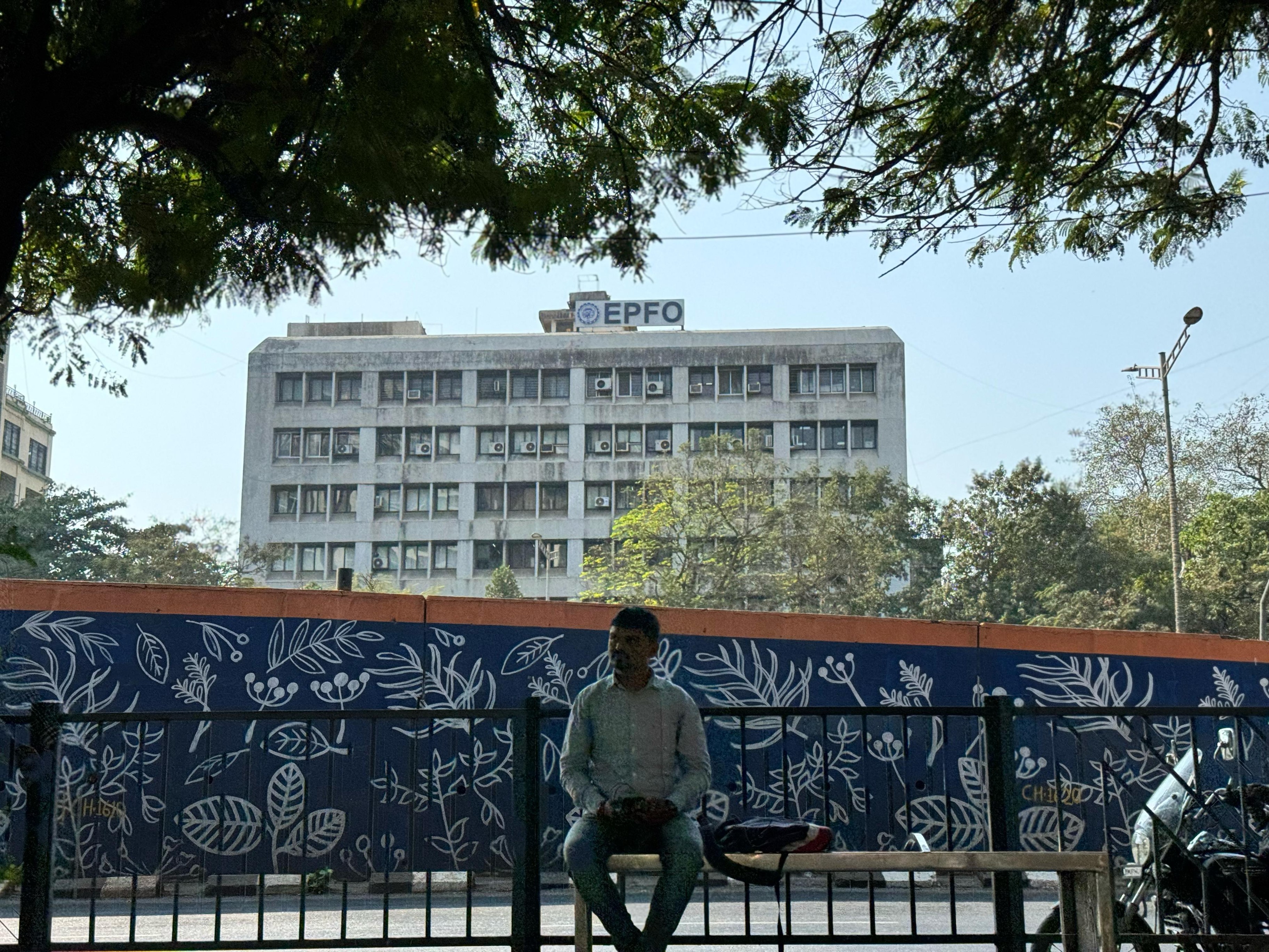
If you are a Gen Z professional entering the workforce, understanding your salary and other benefits is important for building a financially secure future. Preparing a financial plan with your first job will help in building wealth in the long run. Investing in your early years of work could lead to higher gains due to the power of compounding, as you will get a longer period to invest your money across different schemes.
One of the most important benefits is the Employees' Provident Fund (EPF), a retirement savings scheme managed by the Employees' Provident Fund Organisation (EPFO). The government-backed scheme is aimed at providing retirement security to employees in the private sector.
If you've just started your first job, here are a few things you need to know about EPF to plan your investments better, while maximising benefits.
1) EPF Is Mandatory For Salaried Employees
If you work in an organisation with 20 or more employees and earn a basic salary and dearness allowance (DA) of up to Rs 15,000 per month, your employer must enrol you under the EPF scheme. EPF ensures you automatically start saving for retirement with your first salary.
2) Both You And Your Employer Contribute
Each month, 12% of your basic salary and dearness allowance is deducted towards EPF. Your employer also contributes 12%, though part of their contribution goes into the Employees' Pension Scheme (EPS). This dual contribution builds your retirement corpus over time.
3) EPF Earns Tax-Free Interest
The money in your EPF account earns interest every year, and this interest is tax-free if you complete five years of continuous service. The current EPF interest rate is 8.25%, higher than many bank savings accounts and fixed deposits (FDs), making it a safe and rewarding way to invest for retirement.
4) You Get A Universal Account Number (UAN)
When you join EPF, you're assigned a Universal Account Number (UAN). This number stays the same throughout your career, no matter how many jobs you change. It helps you track and manage your EPF account online and makes transferring your balance between employers easier.
5) EPF Allows Partial Withdrawals For Certain Needs
While EPF is meant for retirement, you can make partial withdrawals for specific reasons like buying a house, medical treatment, marriage, or higher education, after fulfilling certain conditions. This flexibility can be helpful for important life milestones without breaking your long-term savings.
6) Early Withdrawal Comes With Tax Implications
If you withdraw your EPF balance before completing five years of continuous service, the amount becomes taxable. But if the withdrawal amount is less than Rs 50,000, no TDS (Tax Deducted at Source) will be deducted. For withdrawals exceeding Rs 50,000, TDS is applicable at 10% provided you submit your PAN details. If you fail to furnish your PAN, TDS will be deducted at a higher rate of 20%.
7) EPF Is A Safe And Reliable Retirement Tool
EPF is backed by the Government of India, making it a safe, low-risk investment. Unlike stocks or mutual funds, your EPF balance doesn't depend on market volatility. Starting early ensures you benefit from compounding interest over decades, helping you build a solid retirement fund.
While retirement may seem far away, EPF is an easy way to secure your financial future while enjoying tax benefits. As you embark on your career, understanding EPF allows you to make informed financial choices from the very beginning. Don't overlook that deduction on your payslip — it's your future wealth growing steadily in the background.

-
Opinion | India at 38: From Innovation Overperformer to Innovation Powerhouse

India now has 453 VC-backed deep science startups, 18 of them late-stage, after 117 percent growth since 2020. Laurus Labs, at USD 9.3 billion, is the most valuable deep science company in any middle-income economy outside China.
-
Navigating Energy Crossroads: S Jaishankar's Call For Diversified Supply Chains At G20 Ministerial Meeting
As geopolitical fault lines continue to test maritime trade routes and commodity flows, Jaishankar's message remains pertinent: true economic resilience requires open markets, protected transit lines, and a genuine commitment to multilateral cooperation rather than coercion.
-
Indians Are Travelling, But Not Every Journey Is A Holiday | The Week In Whys
Pilgrims, patients and working women are the real travellers, and the system hasn't quite caught up with them.
-
Getting To Work Costs Women More | The Reason Why
It is not just about women paying more than men. It is about women paying much more in cities than in villages.
-
AI Bias In Investing Cannot Be Eliminated, But It Can Be Governed
Framing is a particularly important example as identical financial information presented in terms of gains rather than losses can lead an LLM to reach a different assessment.
-
Joining The Dots | Dark Skies, Steady Diya: Why Hope Holds This Diwali
With war, a weak rupee and foreign outflows weighing on sentiment, policymakers at the NDTV World Summit and market veterans at NDTV Profit Ignite: Diwali Edition offered the same advice: stay invested and filter out the noise.
-
The Curious Case of Equitas Small Finance Bank And A CEO Who Quit For Stock
PN Vasudevan believes persistent investor concerns over a perceived conflict of interest had become a governance overhang on Equitas Small Finance Bank's stock, even as the lender improved profitability and asset quality.
-
Talking Points This Week: AI Cash Burn, A Tiger Comeback And An India That Still Finds Its Own Path
India is not immune to higher oil or tighter global liquidity, yet its earnings base is broader, its domestic policy levers are still available.
-
Foreign Investors Own Half Of HDFC Bank and ICICI Bank. An LTCG Cut Could Matter Most Here
Foreign portfolio investors have US$115 billion parked in HDFC Bank, ICICI Bank. If the government cuts long-term capital gains tax, Jefferies says returning foreign money could land here first.










