Buy Now, Pay Never? How Zero-Cost EMIs May Hide Interest This Festive Season
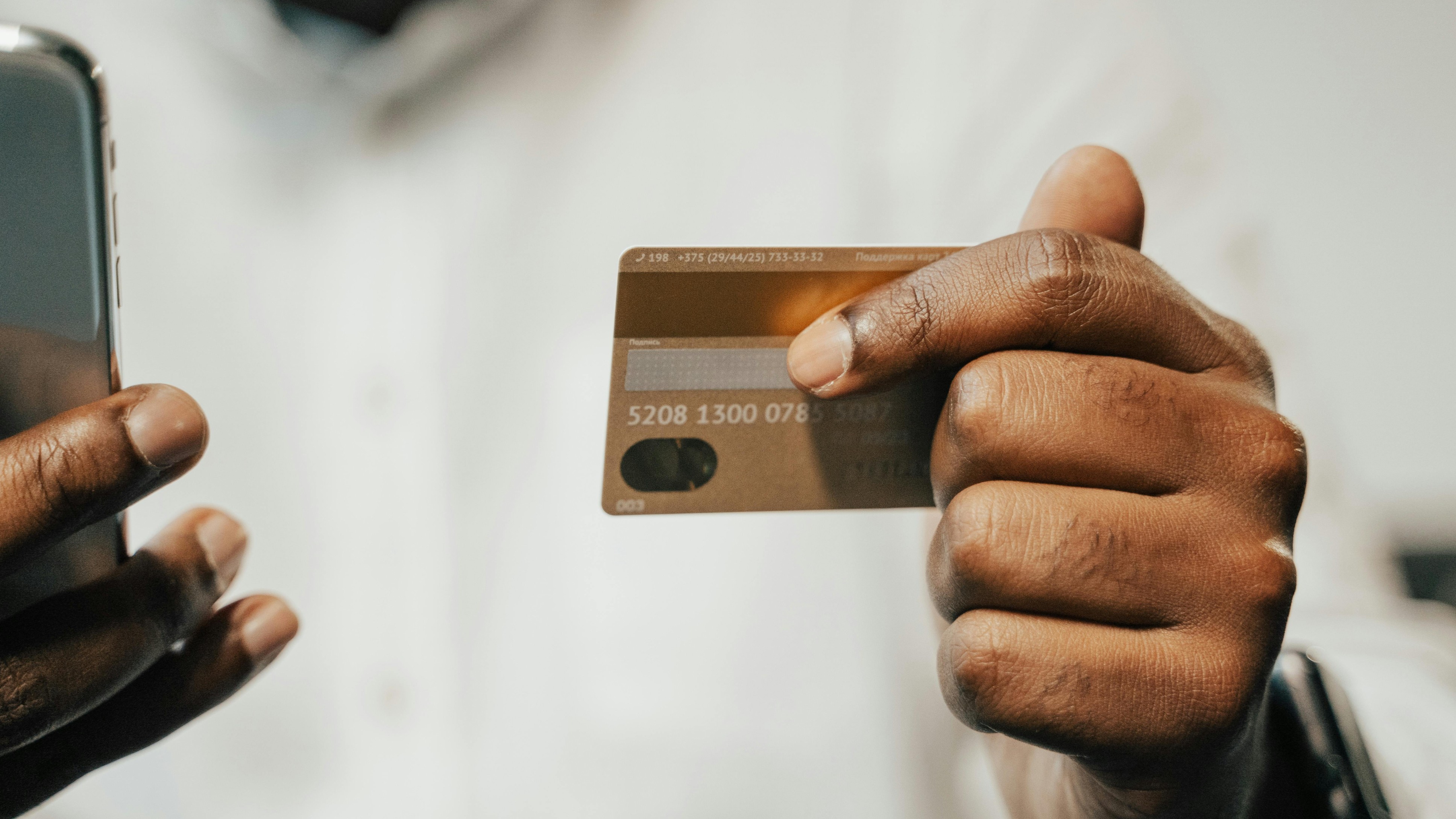
With the festive season here, customers are shopping in full swing. This year, Goods and Services Tax (GST) benefits have further boosted spending. Diwali is seen as an auspicious time to buy new things like clothes, electronics and home appliances.
To attract buyers, shopkeepers offer many deals. One such popular option is the no-cost EMI. It helps people buy expensive items like phones, TVs or furniture without paying the full amount at once. This marketing strategy is a big hit during festivals as it helps to make shopping easier and more affordable.
However, some of these no-cost EMI offers come with hidden charges or processing fees. These extra costs are not always made clear and can hurt the consumer's pocket.
Regular EMIs include interest, making the total purchase cost higher. In contrast, zero-interest EMIs may look more attractive, but they can include hidden fees or offer lower discounts instead.
How Zero-Cost EMIs Hide Interest:
A no-cost EMI card gives you a fixed credit limit, allowing you to split your payments into monthly instalments. While it seems interest-free, many sellers increase the product price to recover the interest. This gives a false sense of zero cost.
In 2013, the Reserve Bank of India clarified that these schemes are not truly interest-free. The interest is usually built into the price. Buyers may also face extra charges like processing fees and GST on the interest amount.
Additionally, buyers who pay upfront often get special discounts, which are not offered on EMI purchases. This means that choosing a no-cost EMI could actually cost more.
To avoid hidden charges, always compare product prices across different websites and stores. This helps you spot genuine discounts and find the best overall deal.
Before choosing a no-cost EMI, read the terms and conditions carefully. Always look into the payment duration, any processing fees and charges for early repayment. This can save you money and prevent financial surprises later.

-
Navigating Energy Crossroads: S Jaishankar's Call For Diversified Supply Chains At G20 Ministerial Meeting

As geopolitical fault lines continue to test maritime trade routes and commodity flows, Jaishankar's message remains pertinent: true economic resilience requires open markets, protected transit lines, and a genuine commitment to multilateral cooperation rather than coercion.
-
Indians Are Travelling, But Not Every Journey Is A Holiday | The Week In Whys
Pilgrims, patients and working women are the real travellers, and the system hasn't quite caught up with them.
-
Getting To Work Costs Women More | The Reason Why
It is not just about women paying more than men. It is about women paying much more in cities than in villages.
-
AI Bias In Investing Cannot Be Eliminated, But It Can Be Governed
Framing is a particularly important example as identical financial information presented in terms of gains rather than losses can lead an LLM to reach a different assessment.
-
Joining The Dots | Dark Skies, Steady Diya: Why Hope Holds This Diwali
With war, a weak rupee and foreign outflows weighing on sentiment, policymakers at the NDTV World Summit and market veterans at NDTV Profit Ignite: Diwali Edition offered the same advice: stay invested and filter out the noise.
-
The Curious Case of Equitas Small Finance Bank And A CEO Who Quit For Stock
PN Vasudevan believes persistent investor concerns over a perceived conflict of interest had become a governance overhang on Equitas Small Finance Bank's stock, even as the lender improved profitability and asset quality.
-
Talking Points This Week: AI Cash Burn, A Tiger Comeback And An India That Still Finds Its Own Path
India is not immune to higher oil or tighter global liquidity, yet its earnings base is broader, its domestic policy levers are still available.
-
Foreign Investors Own Half Of HDFC Bank and ICICI Bank. An LTCG Cut Could Matter Most Here
Foreign portfolio investors have US$115 billion parked in HDFC Bank, ICICI Bank. If the government cuts long-term capital gains tax, Jefferies says returning foreign money could land here first.
-
'Never Seen This Level Of Negativity': Sandeep Tandon Says The Next Rally May Be Closer Than You Think
Veteran investor Sandeep Tandon says foreign selling is easing, large-caps are due a comeback and mid-caps are crowded, while he turns positive on gold, power and pharma this Diwali.
-
Indians Stay With Family, Not In Hotels | The Reason Why
India still lacks enough clean, reliable and affordable hotels for budget-conscious travellers.










