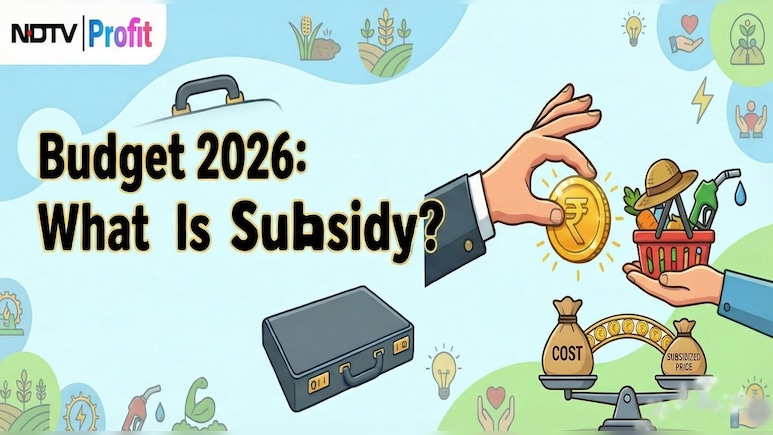
As India prepares for the Union Budget 2026, the government faces a delicate balancing act between fiscal discipline and social welfare. A subsidy is a financial grant provided by the state to lower the cost of essential goods and services, ensuring they remain accessible to vulnerable populations.
What is a subsidy?
In the Union Budget, a subsidy is a transfer of resources from the government to producers or consumers. It acts as a price offset, reducing the market rate of commodities like food, fuel, or fertiliser. Unlike infrastructure spending, which is a capital investment, subsidies are revenue expenditures designed to provide immediate relief and maintain social stability.
What are the primary categories in India?
The Indian subsidy regime is dominated by the "triple crown": food, fertiliser, and fuel. The food subsidy, primarily distributed through the Public Distribution System, remains the largest component. Fertiliser subsidies support agricultural productivity by shielding farmers from global price volatility, while petroleum subsidies are now largely restricted to domestic LPG for low-income households.
Also Read | Layoffs Are Rising In Tech, But These Skills Are Helping People Unlock Better Pay
What are the main advantages?
Subsidies serve as a vital safety net, protecting millions from poverty and food insecurity. By making agricultural inputs affordable, the government ensures national food self-sufficiency. Additionally, these payments act as an economic shock absorber during periods of high global inflation, preventing domestic price spikes that could destabilise the economy.
What are the significant disadvantages?
The primary drawback is the massive fiscal burden, often exceeding 10% of total government expenditure. Economists argue that price-support subsidies can lead to market distortions and environmental damage, such as the over-application of fertilisers. Furthermore, "leakages" in traditional distribution systems sometimes mean that benefits do not reach the intended recipients.
What is the impact on the national debt?
Excessive subsidy spending directly increases the government's borrowing requirements, potentially leading to higher interest rates and crowding out private investment. For 2026, the challenge lies in balancing these necessary welfare payments with the goal of fiscal consolidation to maintain long-term economic stability and investor confidence.
Essential Business Intelligence, Sharp Market Insights, Practical Personal Finance Advice, Daily Fuel, Gold and Silver Prices and Latest Stories — On NDTV Profit.