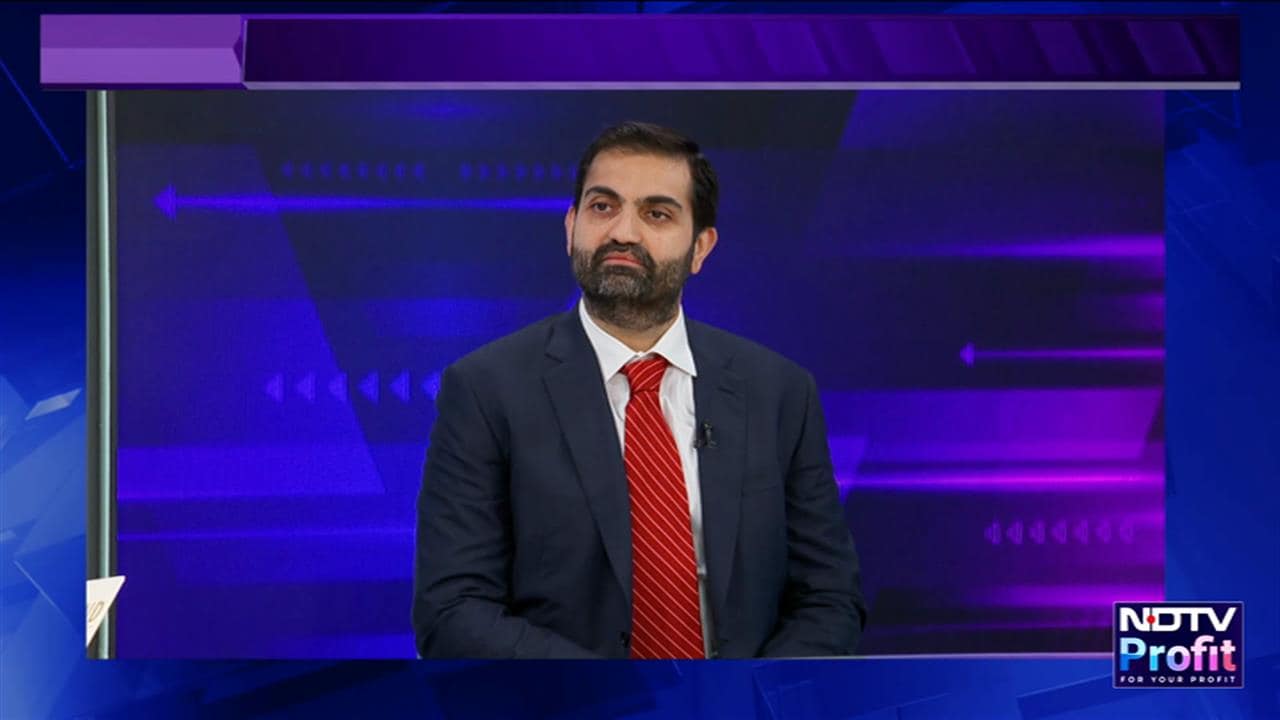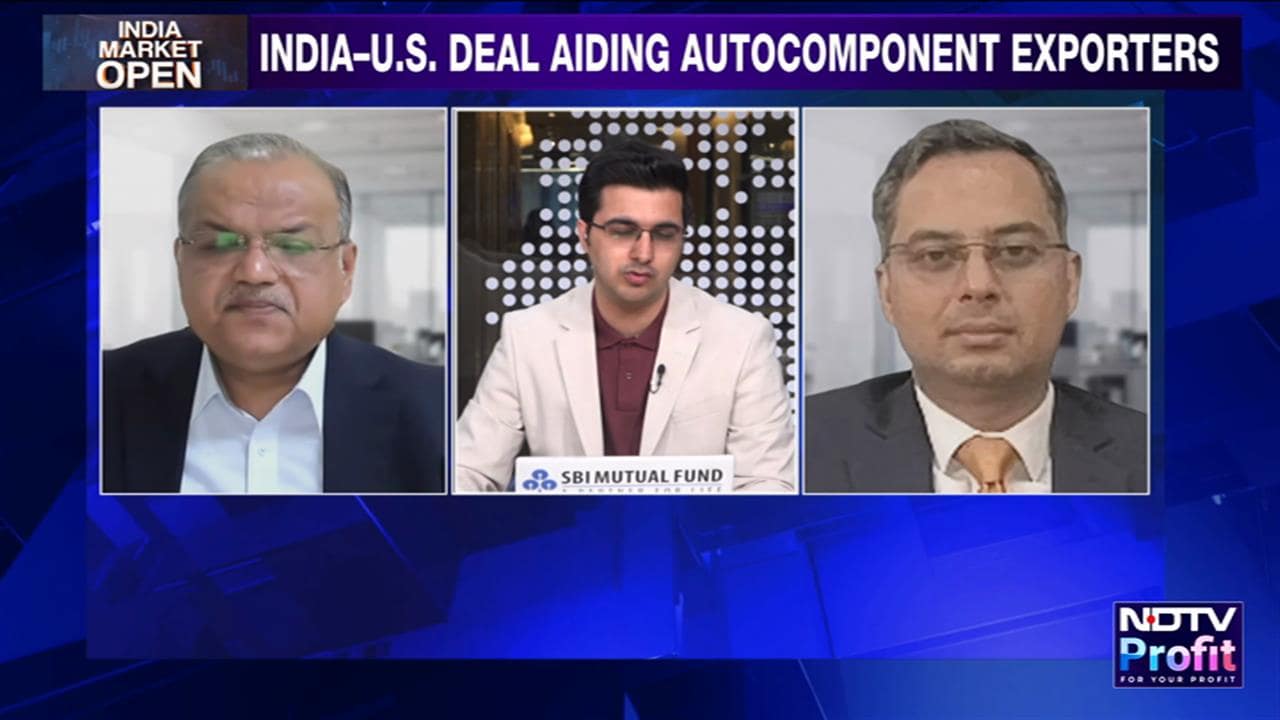
The India-US trade deal is largely being seen as an economic agreement with significant potential benefits for India's textile sector, Dr A Sakthivel, former President of FIEO and Chairman of the Apparel Export Promotion Council (AEPC), told NDTV Profit.
Responding to whether the deal is purely about economics or also about countering China and strengthening supply chains, Dr Sakthivel said, “Today, this is essentially an economic deal. Earlier, we talked about what was being called the ‘father of all deals' in reference to the EU, but this one could be the ‘father of all deals'.”
In an interview with NDTV Profit on Saturday, he added that for the past six months, “we are going through a lot of turmoil” and the finalisation of the deal brings a sense of relief.
Dr Sakthivel said that while the UK and EFTA agreements have been signed, implementation is still awaited. In contrast, this deal is a major development because the “execution order has been issued” immediately, according to the AEPC Chairman.
Overall, he said, the trade deal is a strong economic agreement and positive for India, especially because it is expected to boost demand and opportunities for goods manufactured in India.
Earlier, there were concerns from the sector, but now enquiries seem to be picking up. In this scenario, on the potential of larger orders coming in for India's textile exporters, Shaktivel expressed optimism.
Speaking on apparel exports and recent sector trends, Dr Sakthivel said, “Yes, because in the last three months, we were just holding the buyer and the buyers were holding and sharing our penalty. Now the buyers are ready with the orders and we are also ready to start producing. So, it's a win-win situation for both buyers and national exporters.”
Also Read https://www.ndtvprofit.com/economy/india-us-trade-deal-a-500-billion-purchase-heres-what-india-has-committed-to-10962657
Dr Saktiwell was also asked about the key numbers to watch, including the current export performance of the textile industry and whether the industry has made any estimates on the incremental benefits expected after this. He said, “So far, our exports to the US are about 5.25 billion,” adding that despite earlier penalties and uncertainties, exports have not declined significantly, with the drop limited to about 1% to 1.5%.
He said that the expectation is that exports could see an immediate increase of around 25% within the next four months, followed by a 40% rise over the next year.
A big reason for this optimism is India's strong raw material base. Dr Saktiwell added that, unlike countries such as Cambodia or Bangladesh, which depend heavily on imported raw materials, India has domestic availability across the chain. India's strength lies in its “fibre-to-fashion” ecosystem, he said.
“Even farmers will get the benefits because cotton, knitting, yarn, everything; our whole textile value chain stands to benefit,” he said, adding, “So it is, as I said, the father of all deals. It's a good, joyful moment for the textile industry.”
The United States and India have agreed on a framework for an interim trade agreement aimed at creating more balanced and mutually beneficial trade. Under the current arrangement, the US will apply an 18% reciprocal tariff on Indian goods, including textiles and apparel, among other sectors.
However, once the interim agreement is successfully finalised, the US is expected to remove tariffs on a wide range of goods. For India's textile sector, this is particularly important as it improves market access and strengthens export opportunities, supporting growth across the entire textile value chain.
Essential Business Intelligence, Continuous LIVE TV, Sharp Market Insights, Practical Personal Finance Advice and Latest Stories — On NDTV Profit.