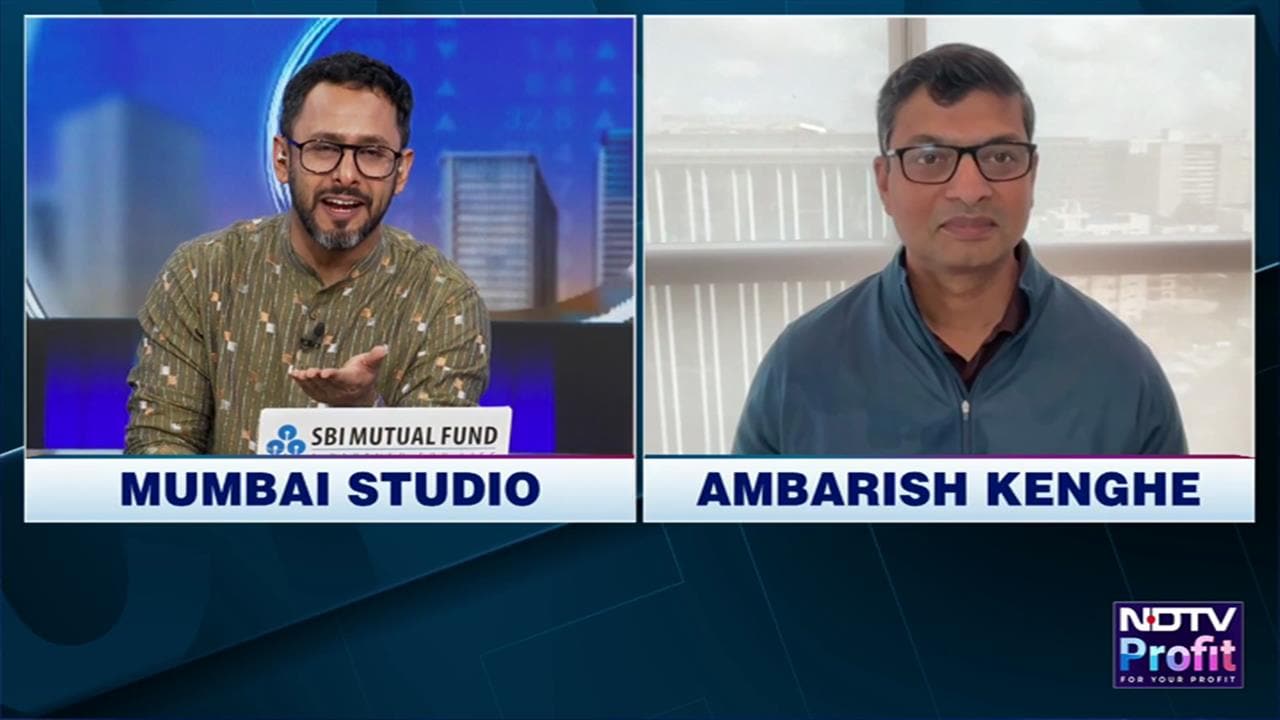
While GST tax cuts may seem like a free lunch for consumers ahead of festivities, Pranjul Bhandari the chief India economist at HSBC, has flagged uncertainties. According to her, the true impact hinges on manufacturers passing on benefits and the government compensating revenue losses.
In a conversation with NDTV Profit on Wednesday, she said that "there is no free lunch here, somebody benefits and somebody loses. I think we have to be mindful of that at this point of time." This encapsulates her view, that while ''a festive-season tax cut is great, but there are factors to be cautious about''.
No Free Lunch: Uncertainties, Impact And Benefits
From a structural perspective, Bhandari notes that a tax cut is a positive step as "having lower number of rates makes it more predictable," which can lead to better ease of doing business. Despite this, she cautions against making bold projections for growth citing deep uncertainties.
Also Read | Layoffs Are Rising In Tech, But These Skills Are Helping People Unlock Better Pay
The biggest unknown is the net revenue loss for the government, according to Bhandari. The government will have to decide how the losses are shared between the center and the states, or if they will be compensated for, by tax hikes elsewhere.
She questions how much the consumer truly benefits if taxes are simply shifted, even if the government avoids revenue loss. Another uncertainty is whether manufacturers will pass on the benefits of the tax cuts to consumers or if they will use it to increase their own profitability. "In the past it has happened that they don't really pass on these benefits," she noted.
Salaries, Savings, and State Spending
Bhandari believes that while tax cuts and interest rate cuts play a secondary role in driving consumption, the primary driver is wage growth. "If you're paid enough, if your real wage is rising...that is sort of the main driver." She is concerned that if salary growth is not certain, these tax cuts might lead to increased savings rather than spending.
In the long term, she suggests the country needs to look beyond a few GST rate cuts and focus on reforms for a cleaner underlying GST system.
For the states, her GST meeting wish-list is that they are not "too insecure about their revenue" and that this security will allow them to improve the quality of their expenditure. This, according to the expert, will go a long way when it comes to GDP growth.
Essential Business Intelligence, Sharp Market Insights, Practical Personal Finance Advice, Daily Fuel, Gold and Silver Prices and Latest Stories — On NDTV Profit.